

Local veterinary hospital among those taking part in anti-anxiety drug trial for noise-sensitive dogs
Hope is that it will help pets afraid of thunder, fireworks or other trigger sounds
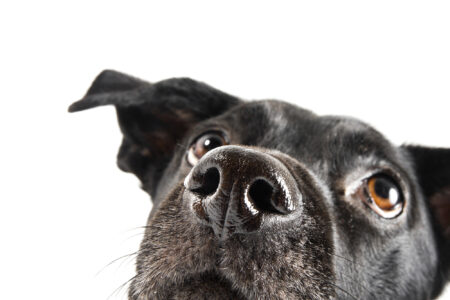
Does you dog experience extreme anxiety and fear during a thunder storm or when hearing loud noises such as fireworks?
Viscaya-Prado Veterinary Hospital has just started its third year of a clinical study where K-9s receive medicine that looks to clam nerves and anxiety.
The double-placebo (meaning neither owners or the veterinarians know which dog(s) are getting the true medicine) is being run by TEMPEST.
The veterinary clinical study is taking place at multiple locations in Florida during summer 2026, evaluating an investigational oral medication given twice daily during storm season that could offer round-the-clock relief to dogs suffering from thunderstorm aversion. Participation is free, and qualifying dogs receive all study-related care, including evaluations, diagnostic testing, exams, and medication (or placebo) at no cost.
“The storm study is specific for canines who are basically showing any kind of fear response when a storm comes in — whether they recognize it before it even its, or during the time it’s over top of their heads,” said Dr. William Kroll of Viscaya-Prado Veterinary Hospital.
Dogs will either receive the drug, or a placebo, and owners will report back on the behavior of their pet. Kroll said 50% of the dogs get the drug, and 50% get the placebo.
“What we’re looking for is an improvement of the symptoms of fear,” Kroll said. “If a dog hears a storm and would usually run and hide…if they’re getting the drug, the hope is they will not exhibit those type of behaviors. We’ll be able to document that and eventually get enough data for (the Federal Drug Administration) to approve the drug here in the United States. Currently, the drug is approved in Europe and Australia, and they’ve been using it for some time now — a few years — and have had no adverse events that are life-threatening. We haven’t experienced that either, and we’ve been running this study for the last three years.”
According to the Dog Storm Study team, thunderstorm aversion is more than normal stress; it’s a serious and often undertreated condition affecting millions of dogs. The team stated that for many dogs, their extreme reaction begins long before a storm arrives, which is triggered by changes in barometric pressure, sound, or light, and can even last hours after the storm passes. The team added this condition can have life-altering effects on both dogs and their owners.
TEMPEST is the entity that goes through the data, and will present its findings to the FDA for potential approval.
The study at Viscaya-Prado launched in June 1, and the hospital is actively seeking participants.
Maureen McNamara, a Veterinary Technician at Viscaya-Prado, said there were 22 dogs in the study the first year, and 76 last year. She said her goal this year is to have from 50 to 75 dogs take part.
“I really would like to get that as a last-ditch effort to get the drug to the FDA as soon as we can,” she said.
McNamara said there are four total visits to the hospital with being involved in the study.
The first visit the dog comes with its owner, and then two weeks later just the owner just with medication.
“If they need to increase the dose, they come back one more visit, and then they don’t come back again until the end of the study,” she said. “It’s anywhere from 56 to 106 days depending on the case.”
Participants start with a questionnaire on how anxious a dog may get during a storm, and how calm the dog is normally. Whenever a storm blows through, the power will enter what they see into an electronic data collection system, where a computer will determine what the results are.
McNamara said if the drug was to be approved, it would be a game-changer for pets who suffer from anxiety.
“What we have on the market now — we have to know when a storm is coming,” she said. “With this drug, it’s long-term, so that we can give it all the time. We don’t need to anticipate the storm. In Florida, it could be raining in the front yard and sunny in the backyard. You never know when you dog could be terrified.
“This could be a benefit not just for dogs with storm anxiety, but anxiety in general. Dogs that have never had a fear of loud nosies — that one transformer at the corner gets hit by lightning and that’s it, they’re scared of every noise that comes down the street. In general, there’s nothing out there for dogs long-term with this anxiety.”
McNamara added that oftentimes dogs that exhibit these kids of behaviors are given up, and even worse, potentially euthanized.
“We see it every day,” she said. “We’re hoping we can come out with something that relieves that anxiety and keeps dogs in their homes with families.”
Participants are being enrolled until the last day in July.
McNamara said she is available Monday through Thursday for appointments, and can accommodate times outside of that window if need be.
Those interested can learn more by visiting DogStormStudy.com or by calling McNamara at 239-574-2868.
To reach CJ HADDAD, please email cjhaddad@breezenewspapers.com