

Mound House artifact preservation center unlocking secrets to island’s ancient Calusa history
Historic property on Fort Myers Beach is home to hundreds of years of history
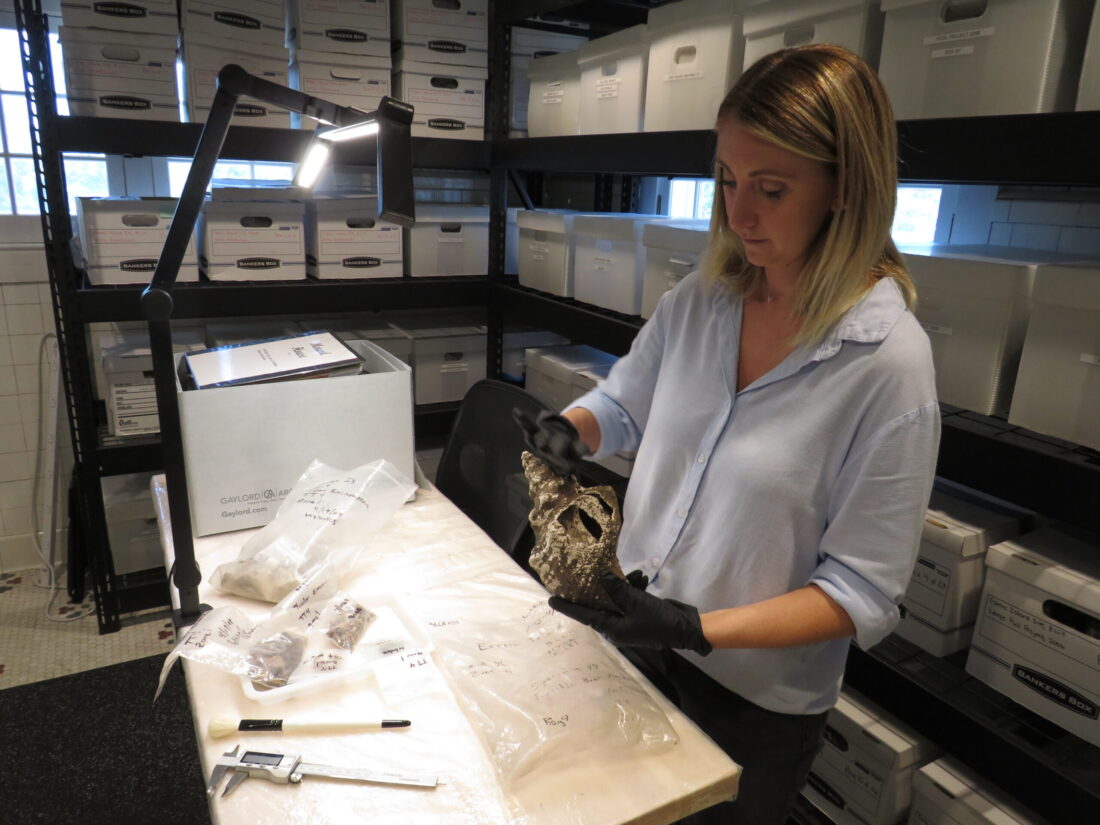
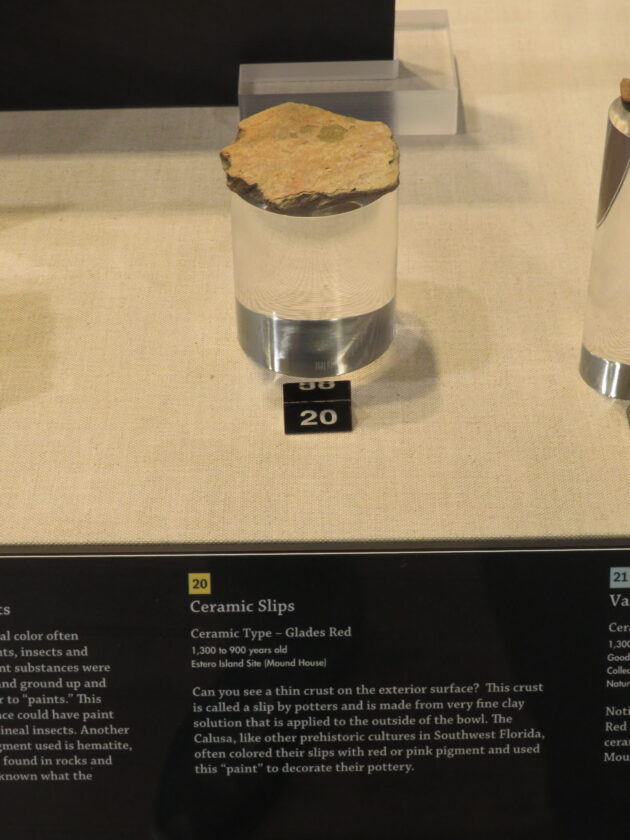
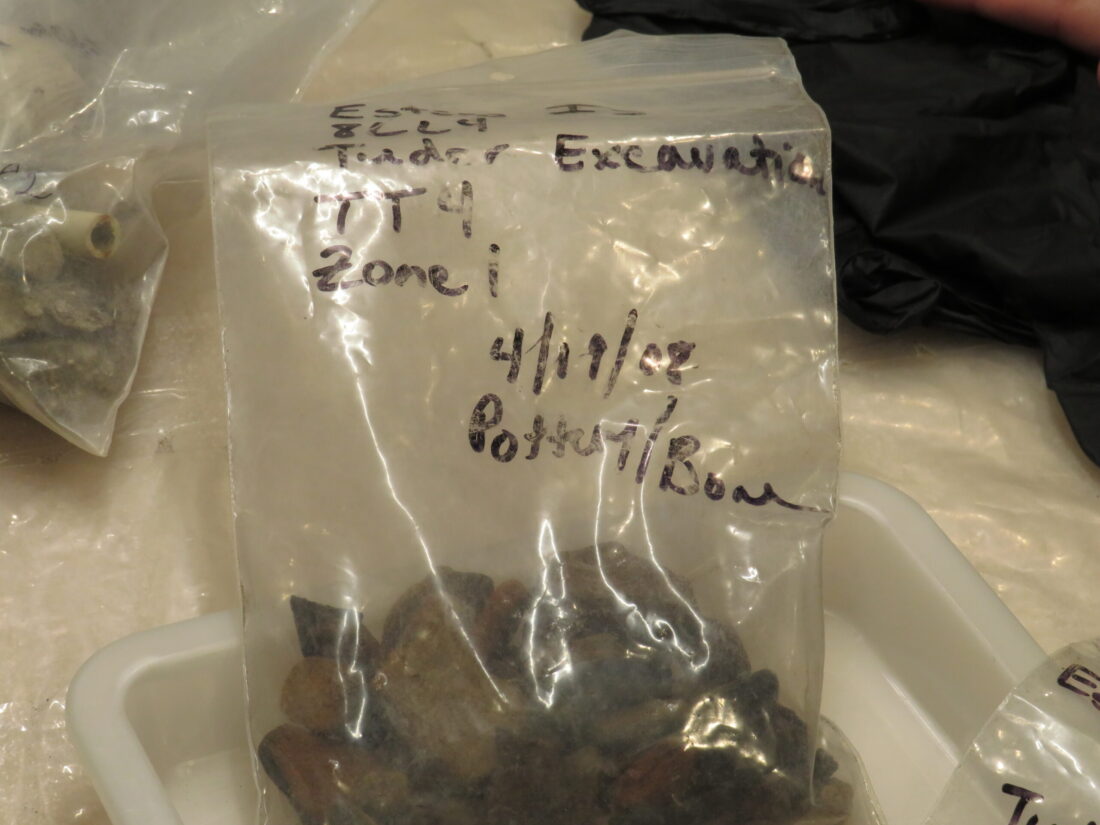
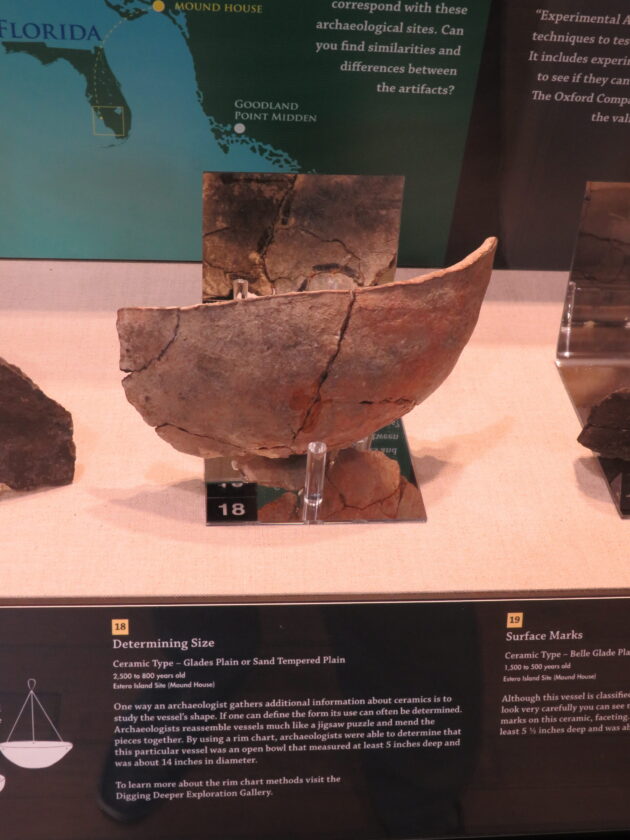
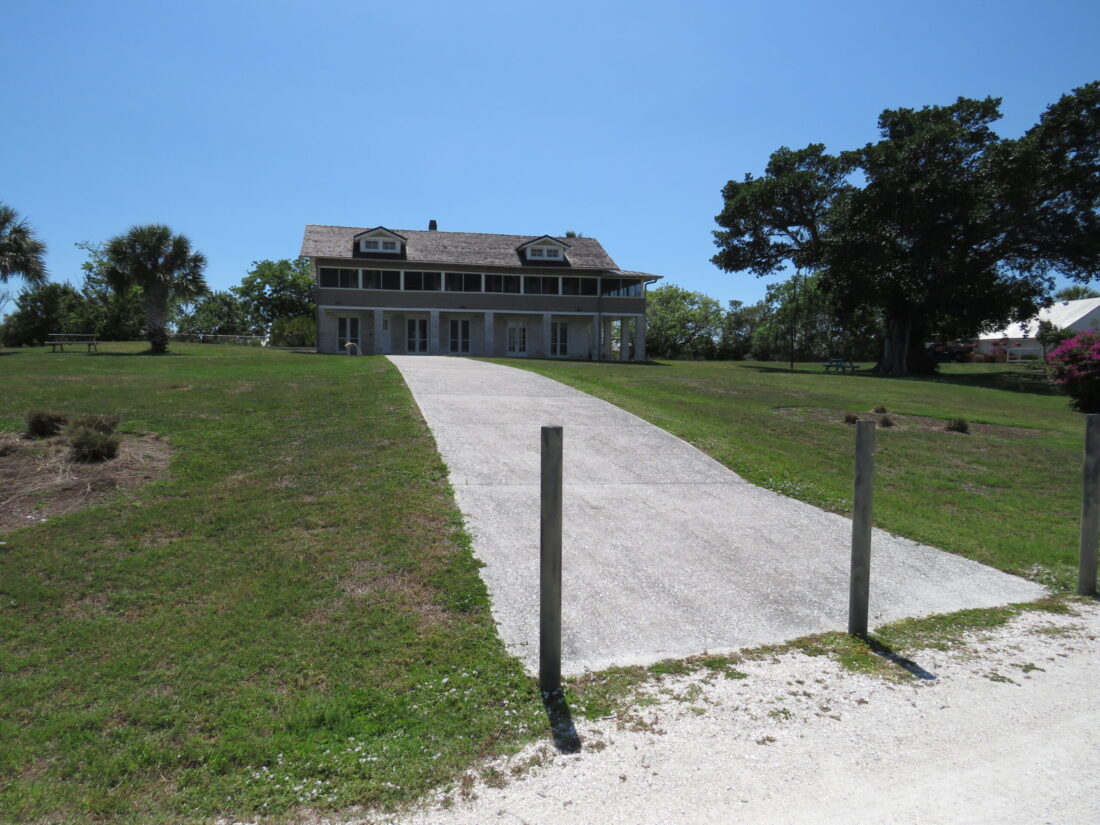
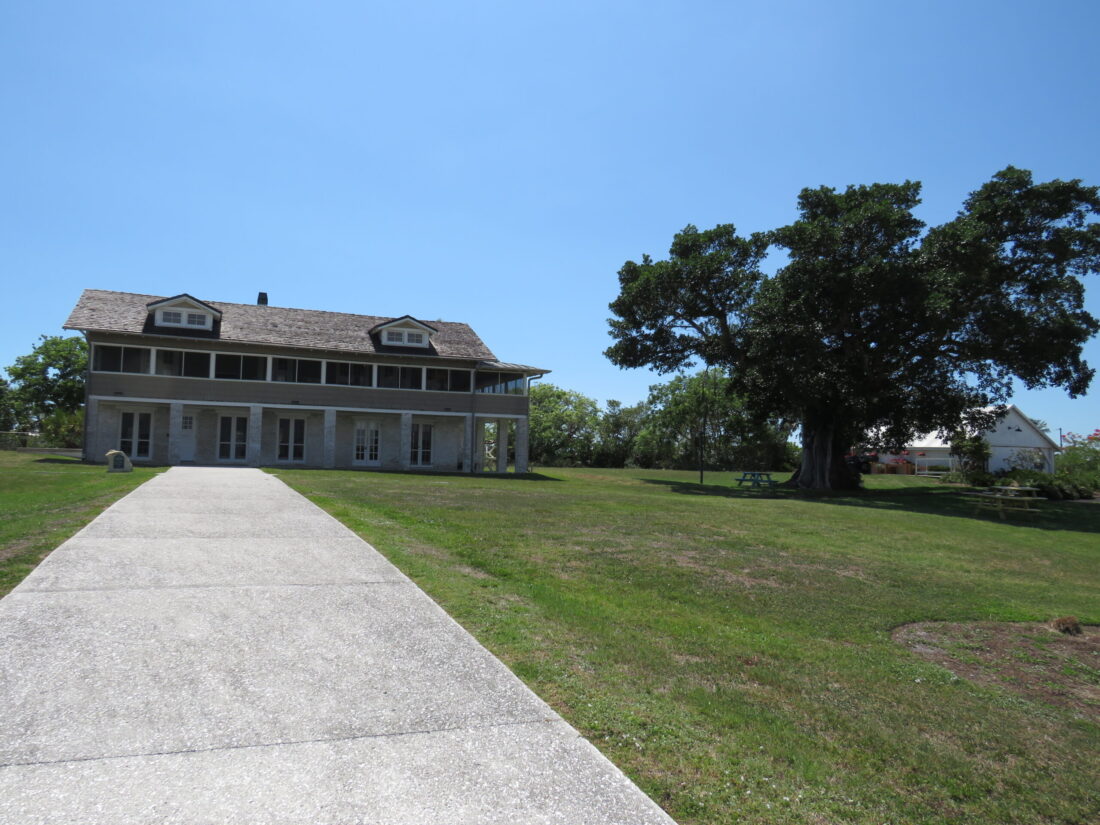
The truth is, nobody knows exactly what is or all that was found underneath the Mound House during excavations that began in 2002 after the Town of Fort Myers Beach acquired the property where the town’s oldest home, and the ancient Calusa shell mound sit.
For Mound House Museum Registrar Breanna Vaccaro, the artifact preservation center at the Mound House is a critical tool she hopes will unveil secrets about the Native American tribe that dominated this region for centuries until disappearing in the 18th century after fighting the Spanish and being decimated by disease.
“Every day is a learning experience,” Vaccaro said. “That is why I love what I do. Every day I learn something new.”
The Town of Fort Myers Beach, which operates the Mound House, began work on the public preservation center in December of 2024 in order to preserve and research thousands of artifacts that were found around the property during excavations that began in 2002. Many of the artifacts date to the time that the Calusa tribe were present in the areas. The preservation center opened last year.
The preservation center is the only public archaeological lab in Southwest Florida.
“It is the first and only public archaeology lab in Southwest Florida,” said Vaccaro, who started working . “It’s a really unique opportunity for the public to learn more about the fields of archaeology and collections management and get first-hand experience looking at the collection that we have at the Mound House.”
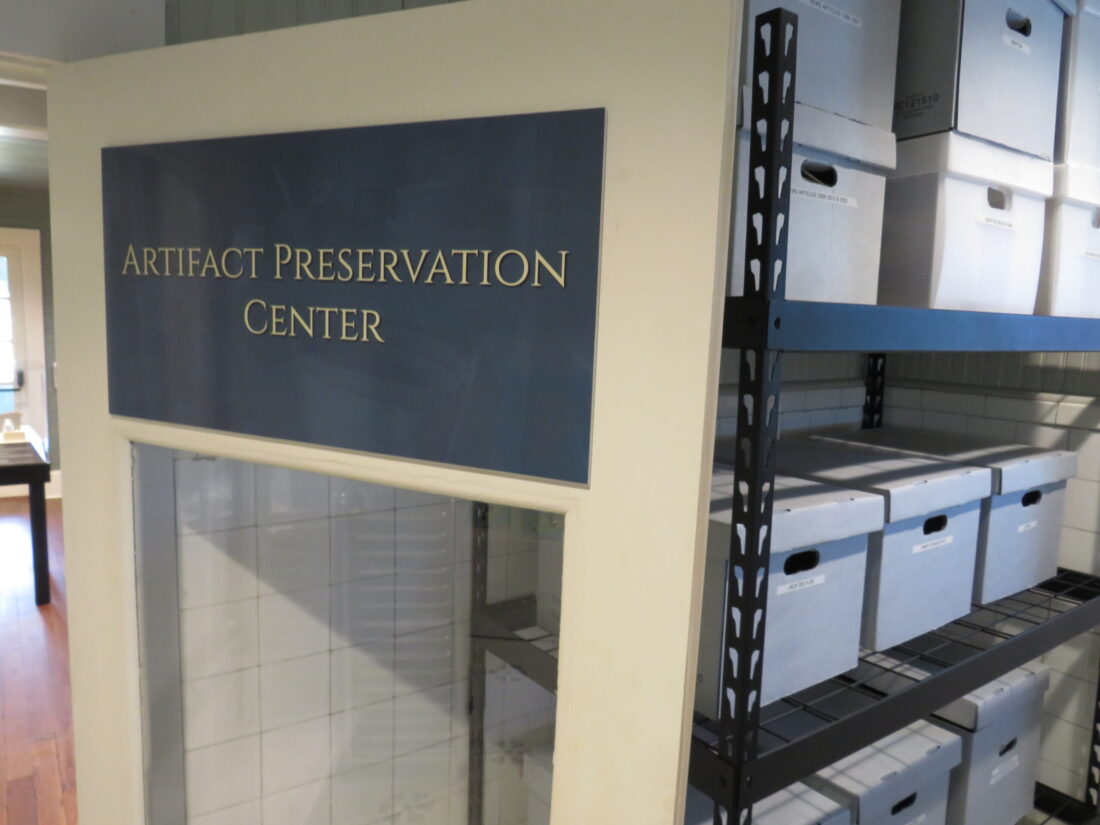
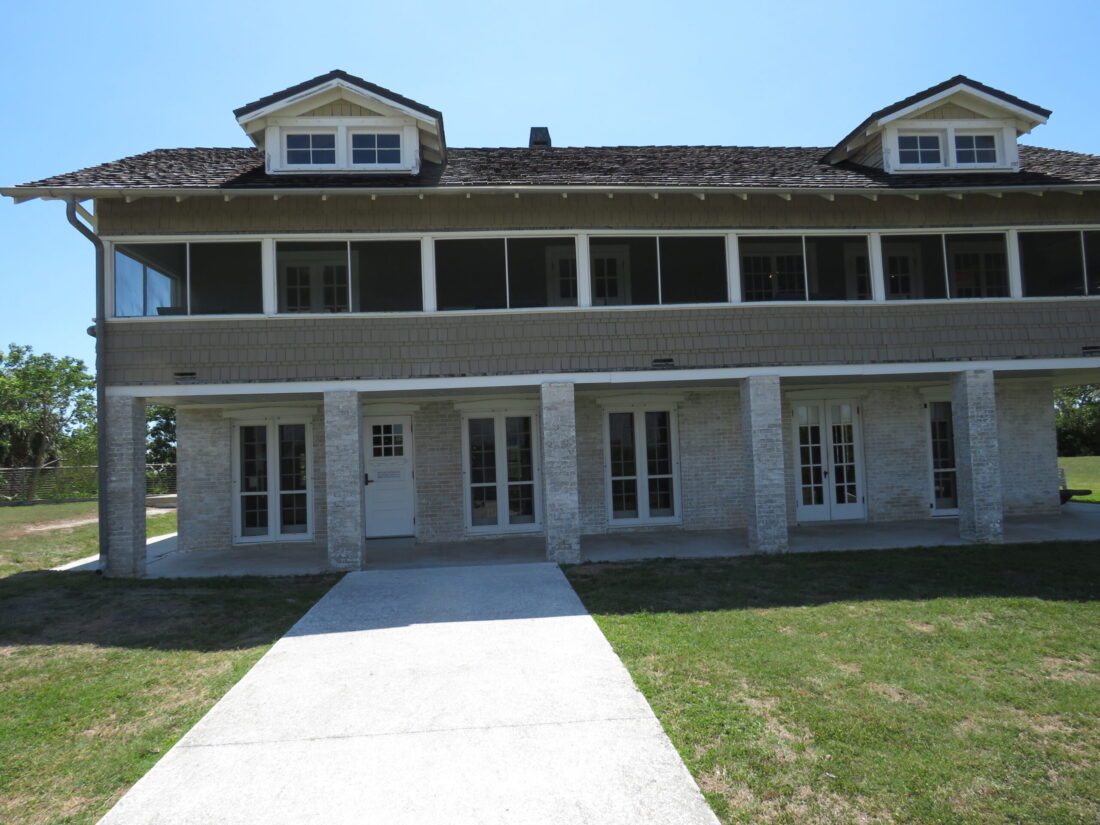
The preservation center is on the second floor of the Mound House, in the retrofitted bathroom originally built in 1921.
“We’re very proud of it. A lot of work has been done since it opened,” Vaccaro said. “I am really excited for the public to be able to come and see what we have to offer in there.”
Vaccaro said the collection storage facility is rare because it is within a retrofitted 1921 home and museum. Folks who visit the Mound House Museum can still see the preservation center through a window as they tour the museum. In the meantime, Vaccaro is hard at work cataloging the collection with other volunteers and preparing them to be shown in the museum.
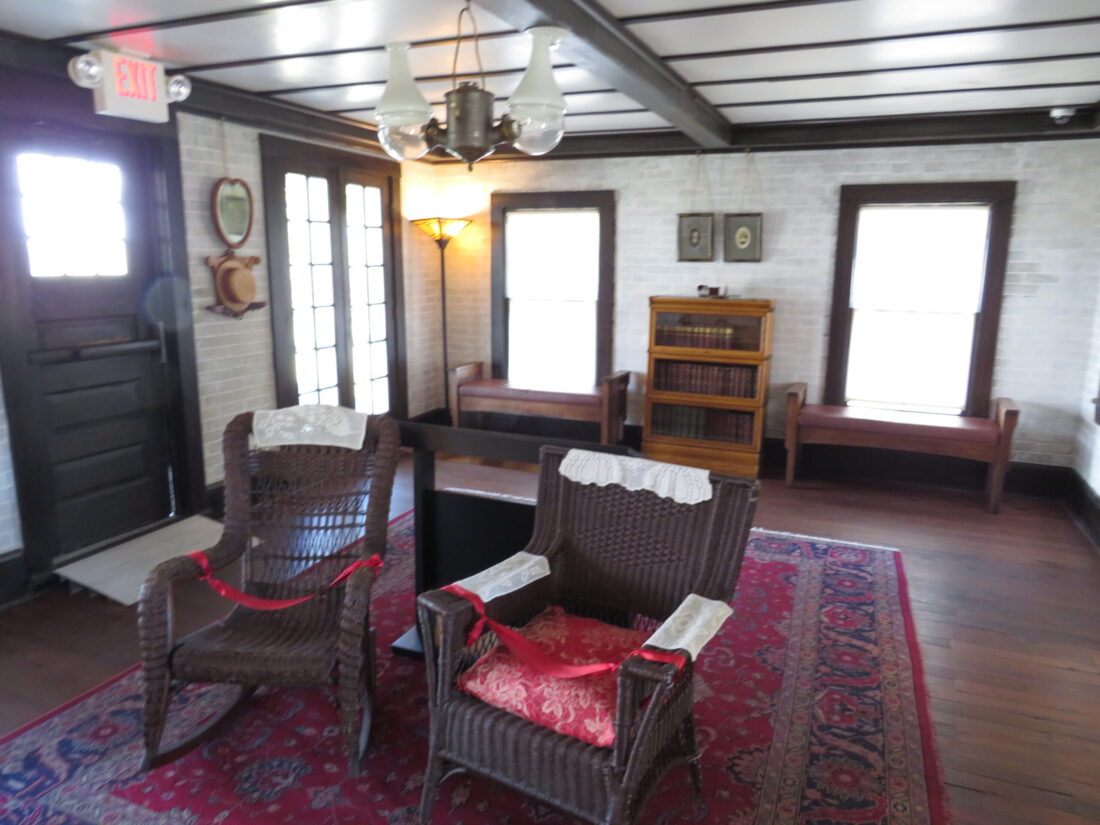
The Mound House has undergone several renovations since being constructed in 1909. After the town acquired the property, the home was refurnished to reflect the period in which it was built.
In 2019, the Mound House was placed on the National Register of Historic Places. “We’re very proud to have that designation,” Vaccaro said.
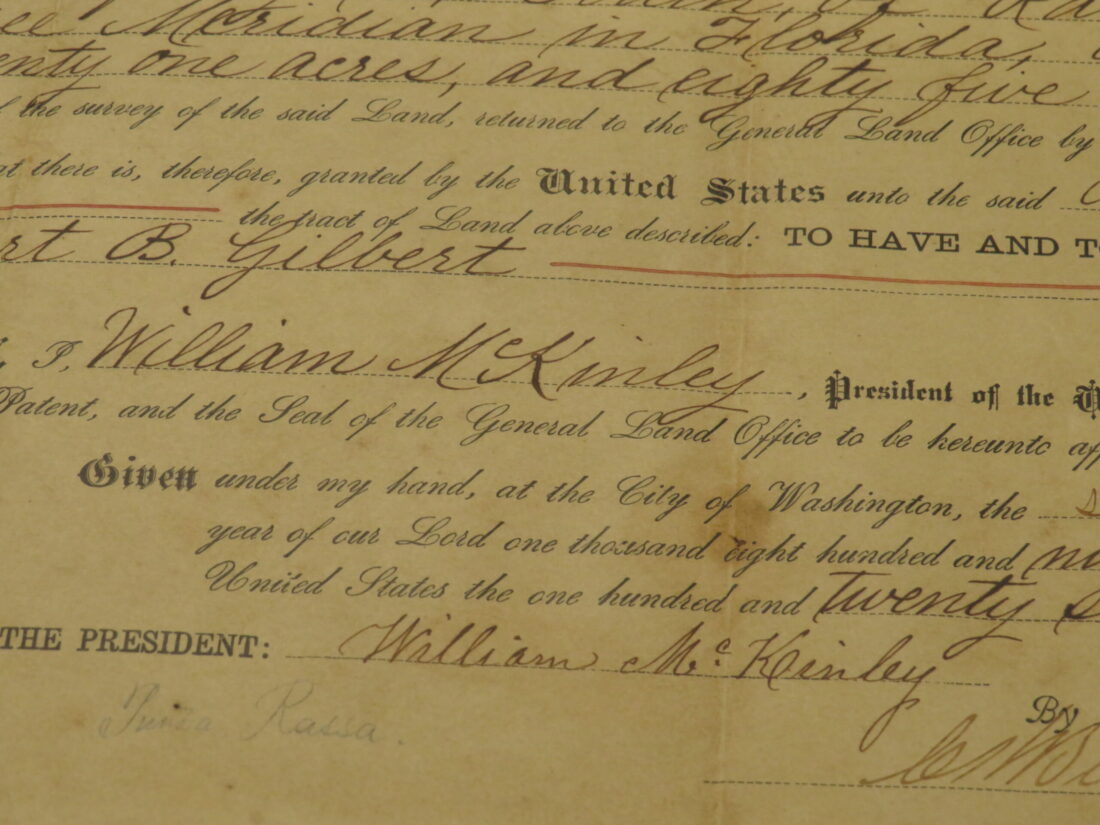
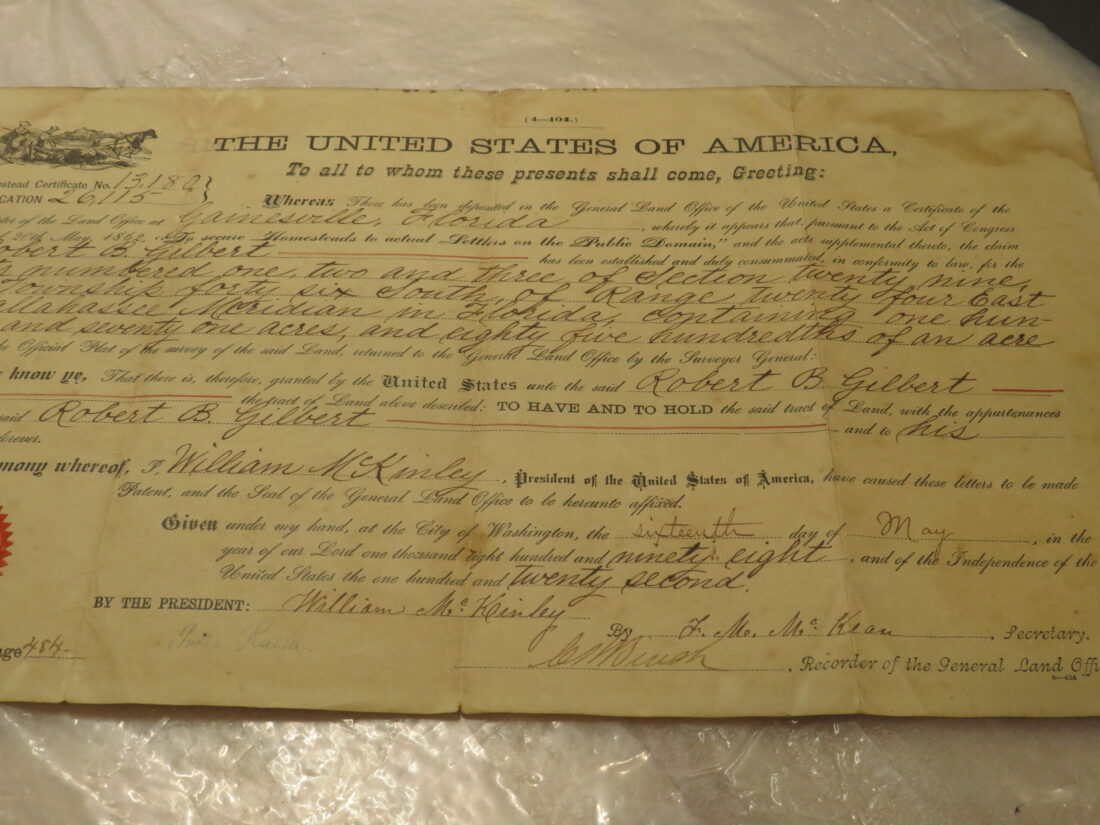
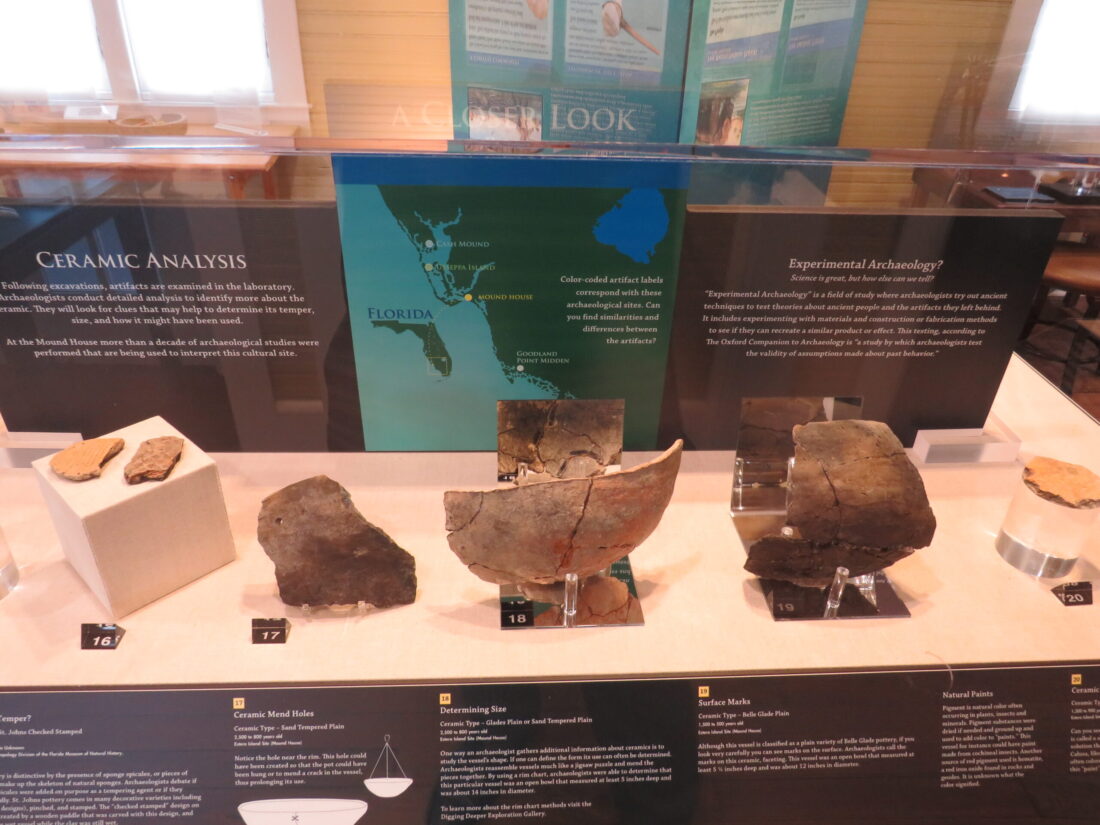
The artifacts at the preservation center range from shell tools to pottery and ancient Calusa canoe anchors, Vaccaro said. The artifacts and documents possessions held at the Mound House also include the original deed from President William McKinley for 200 acres of land around the site that was given to the Gilbert family.
The Mound House sits atop an ancient Calusa shell mound that was believed to have been constructed about 2,000 years ago. The Calusa are believed to have begun building settlements around the land a few hundred years later and maintained a presence there for more than a millennium. The underground shell mound site was closed after Hurricane Ian, reopened about a year later and then was closed again after flooding from Hurricane Milton.
Vaccaro has a master’s degree in public history and museum studies, and a bachelor’s degree in anthropology from the University of West Georgia. She did her graduate research interning at the Ocmulgee Mounds National Historic Park and prehistoric Native American site in Georgia.
Since starting with the Town of Fort Myers Beach at the Mound House in 2024, she has been studying Calusa history. “Learning about the Calusa, was a whole new avenue for me,” Vaccaro said. “It’s fascinating to get to know this culture that dominated Southwest Florida for 2,000 years.”
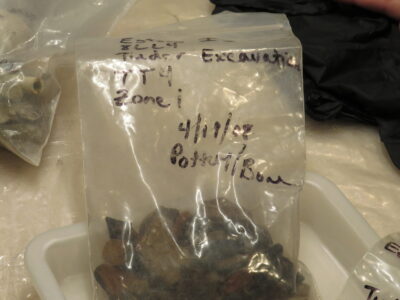
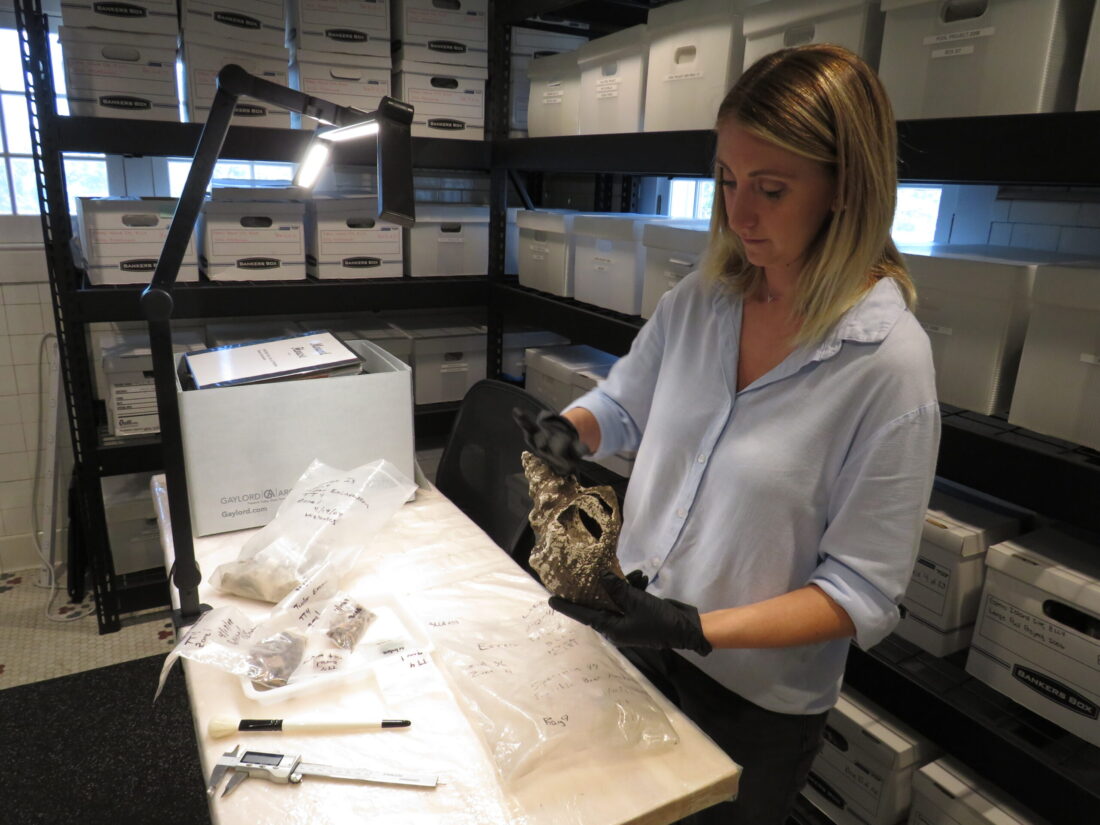
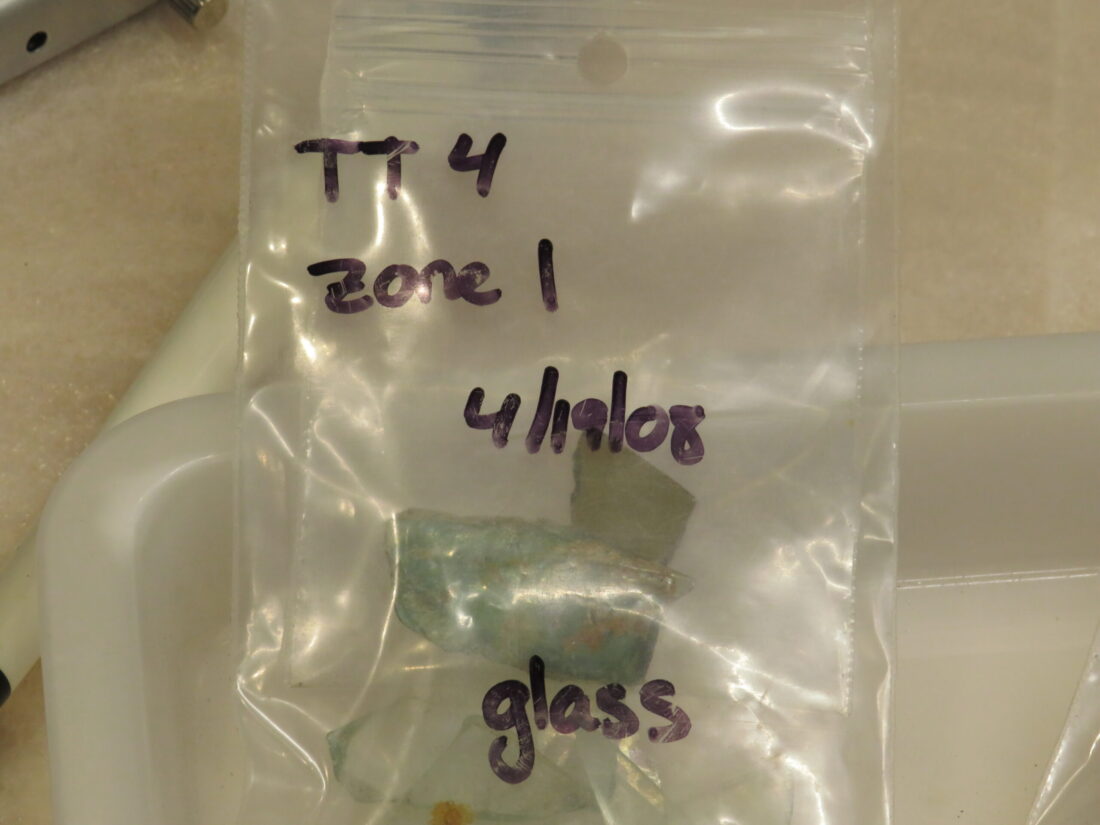
Many of the artifacts that were excavated around the Mound House property in 2002, have remained in the same bags, a concern that Mound House Museum Registrar Breanna Vaccaro wants to address.
The shell mound that the Calusa built underneath where the Mound House sits, is loosely believed to have been constructed sometime about 2,000 years ago, give or take a few hundred years. The Mound House area was considered a satellite village for the Calusa. The main village was at Mound Key. The burial grounds for the Calusa was around Pine Island. No human remains were found anywhere around the Mound House during the excavations.
The shell mound was essentially a trash pile, which largely included shells, to construct a mound that they could work off of. “As their needs changed. they kept going higher and started building up the mound,” Vaccarosaid. The shell mound and Mound House property is approximately 2.7 acres.
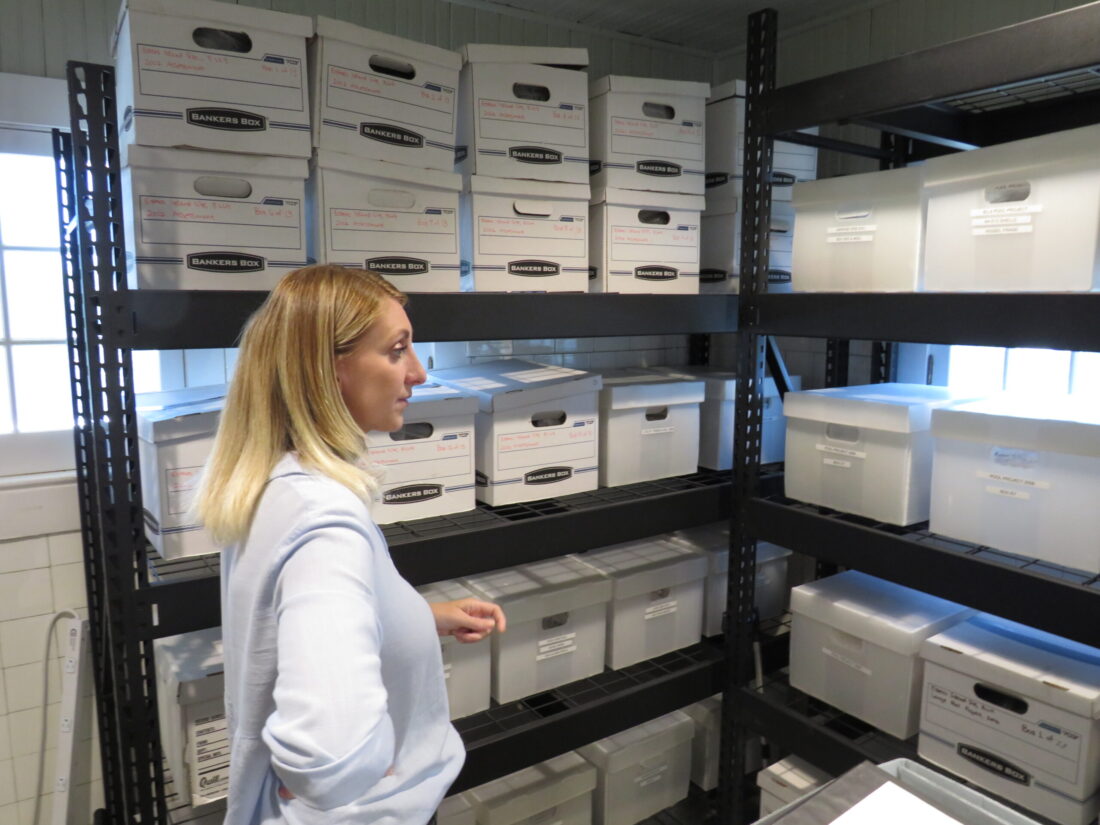
One of Vaccaro’s first tasks since being hired in 2024 was to bring the town’s collection of artifacts from the excavations, into the Mound House. Before Hurricane Ian, they were stored at Town Hall. After Hurricane Ian wrecked the Town Hall, they were put into storage units and into a bank vault, in dozens of bank boxes.
“It was just chaos,” Vaccaro said. “The collection had not been processed and catalogued.” Vaccaro said that many of the original catalogs that detailed what was found during the excavations more than 20 years ago, were missing.
Vaccaro said she has been working on cataloging the collection. She put up metal shelves to help organize all of the bags of ceramics, pottery, tools, and other artifacts that were found around the Mound House during the excavations.
“I am basically a detective,” Vaccaro said. Her job is to go through the items and compare them to existing notes that are in catalogs or identified in other documents, or on the bags themselves, to understand what some of the artifacts are. Some of the catalogs on file were not made by the original archaeologists who found them and worked on them, but were updated later.
“In the old catalogs, I would have the names of the archaeologists and more identification,” Vaccaro said. “I still have so much to go through.” She spends a lot of her time researching. “It’s mostly just growing the collection that having the supplies necessary to take care of the collections,” she said.
Some of the more common items found are shells, pottery, glass, and the vertebrae of fish. There are thousands of items for Vaccaro to go through.
Some of what was found is hundreds of years old, though some is more modern such as glass from the late 1800’s and early 1900’s that belonged to the former residents of the Mound House. Others who may have traversed the area around the Mount House before the home was built included Cubans and Spanish fishermen in the 19th century.
One of the most interesting finds for Vaccaro was a large boat anchor, which she believes is hundreds of years old, and could potentially be as much as 600 years old. She believes the Calusa likely used the anchor for one of their boats. “They used giant shells as anchors,” Vaccaro said. “The Calusa used shells in everything they did.” They also used hammers, aces and spears.
Vaccaro would like to put the boat anchor on display.
Another old object that has been documented is a pine that is estimated to be 1,400 years old.
Many of the artifacts that were excavated around the Mound House property in 2002, have remained in the same bags, a concern that Mound House Museum Registrar Breanna Vaccaro wants to address.
The most historic document in the collection is a land deed from President William McKinley, the 25th president of the United States. The deed grants 171 acres to Robert Gilbert which includes what would become the Mound House property.
McKinley didn’t personally sign the document, though his hand was written in script by an aide or secretary, in two sections of the document.
The 171 acres was eventually divided up.
The Long family renovated the property in the 1950’s and built a swimming pool on the grounds. That pool was removed as part of the archaeological digs, and the restoration to its 1921 look.
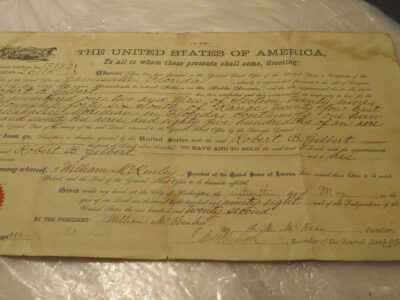
The land deed from President William McKinley in 1898 to Robert Gilbert, authorizing the transfer of land that includes the Mound House and more than 170 acres around present day Fort Myers Beach. Photo by Nathan Mayberg
Not everything at the Mound House museum was excavated there. There are some pieces, such as ceramics and artifacts, which were brought in from other places to show other culturally relevant objects of the Calusa. The museum gallery includes replica masks of the type that the Calusa used to wear.
“This is a generational project,” Vaccaro said.
“We are making significant progress,” Vaccaro said.
The biggest obstacles to progress, she said, include space demands, limited funding and staff.
Some of the needs Vaccaro has are for materials, supplies, boxes, polyethylene bags, acid-free tissue paper, acid-free boxes, and artifact trays to cleanly study the objects.
The new bags are needed, to replace old bags that will start to deteriorate over time. The artifacts can also crack or disintegrate if not taken care of properly.
“These artifacts have been in the original bags since 2002,” Vaccaro said. New, clean bags with new labels are needed about every four years, she said said.
The Mound House is supported by the Town of Fort Myers Beach and the nonprofit Friends of the Mound House.
Ellen Vaughan, chief fundraiser for the Friends of the Mound House and a past president, has high hopes for Vaccaro and her work. “It’s going to take a few years for her to get through all of the collections,” Vaughan said. Vaughan said it was important that all of the artifacts get catalogued. “I am very excited for the Mound House to enter this new chapter.”
Vaccaro said she has a “really great support system” that includes Museum Manager Karina Britez, and Visitors Services Coordinator Sandra Britez.
Vaccaro is also aided by volunteers. “I have wonderful volunteers and students who visit,” to help, Vaccaro said. They include students from Florida Gulf Coast University and Florida Southwestern State College. “We are always looking for volunteers,” she said.
The Town of Fort Myers Beach has still not reopened the shell mound underneath the home. The shell mound used to be open for tours but has been closed since water incursions during Hurricane Milton in 2024.
Tours of the new preservation center, on the second floor of the Mound House Museum, are held every Saturday at 2 p.m.
The Mound House museum also offers activities for children, such as decorating and drawing Calusa masks on the second floor.
In November, there will a celebration of the anniversary of the Mound House museum opening. The Mound House grounds are open daily, though the museum’s house are Wednesday through Saturday from 9 a.m. to 4 p.m. Tours are available upon request. The Mound House is located at 451 Connecticut Street on Fort Myers Beach.
“I am excited to see what we find here and what we can do with this collection,” Vaccaro said. “I just need time and support.”