U.S. Army Corps of Engineers reviewing helicopter barge
By Nathan Mayberg13 min read
1 / 95
The U.S. Army Corps of Engineer is reviewing the
2 / 95
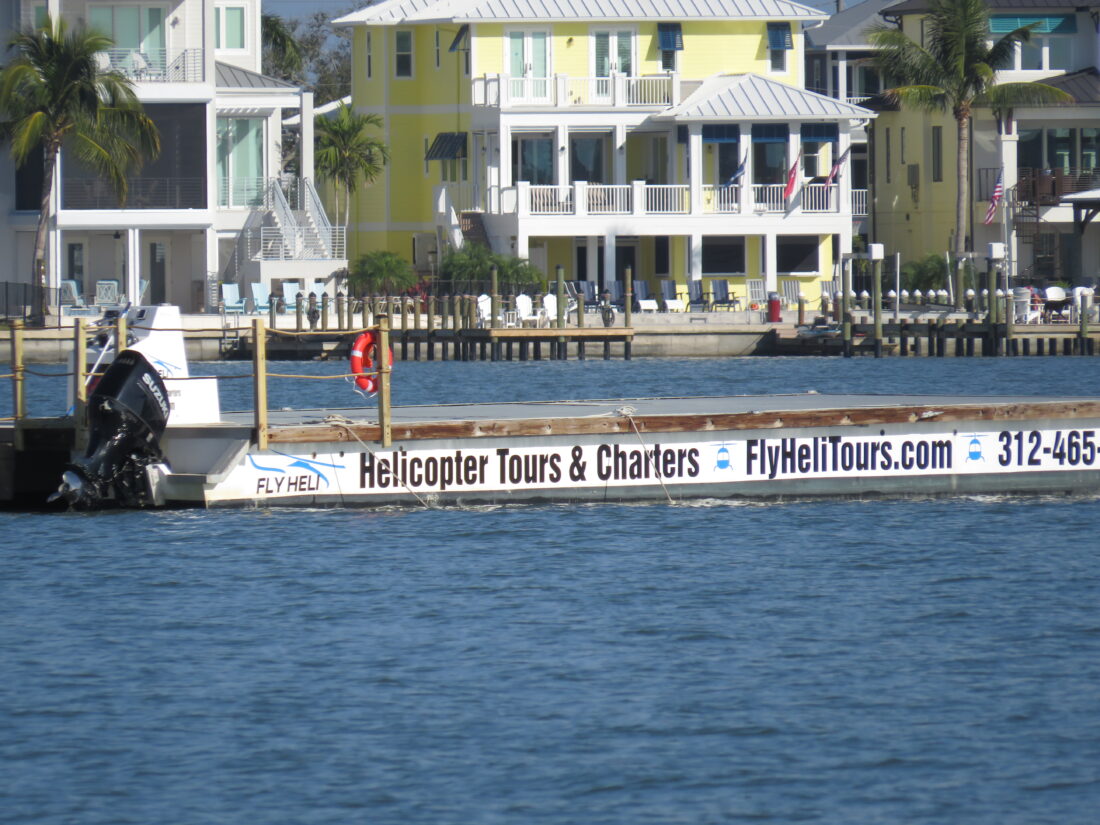
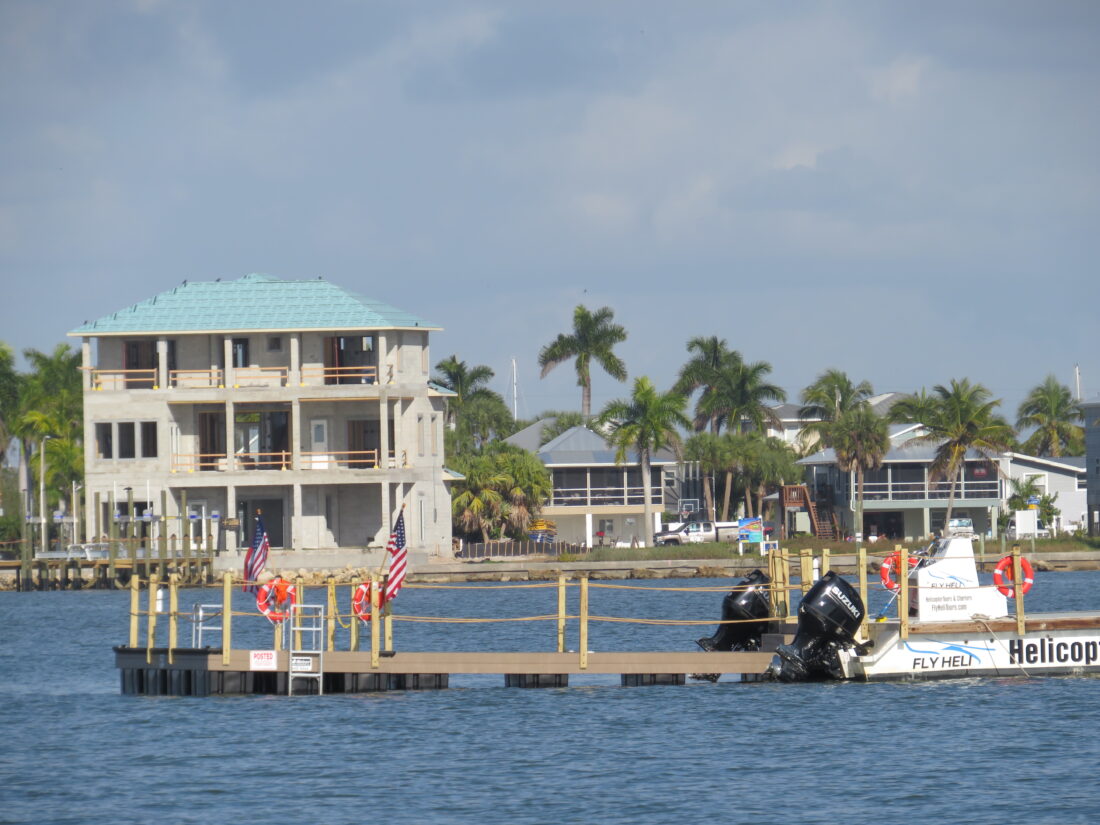
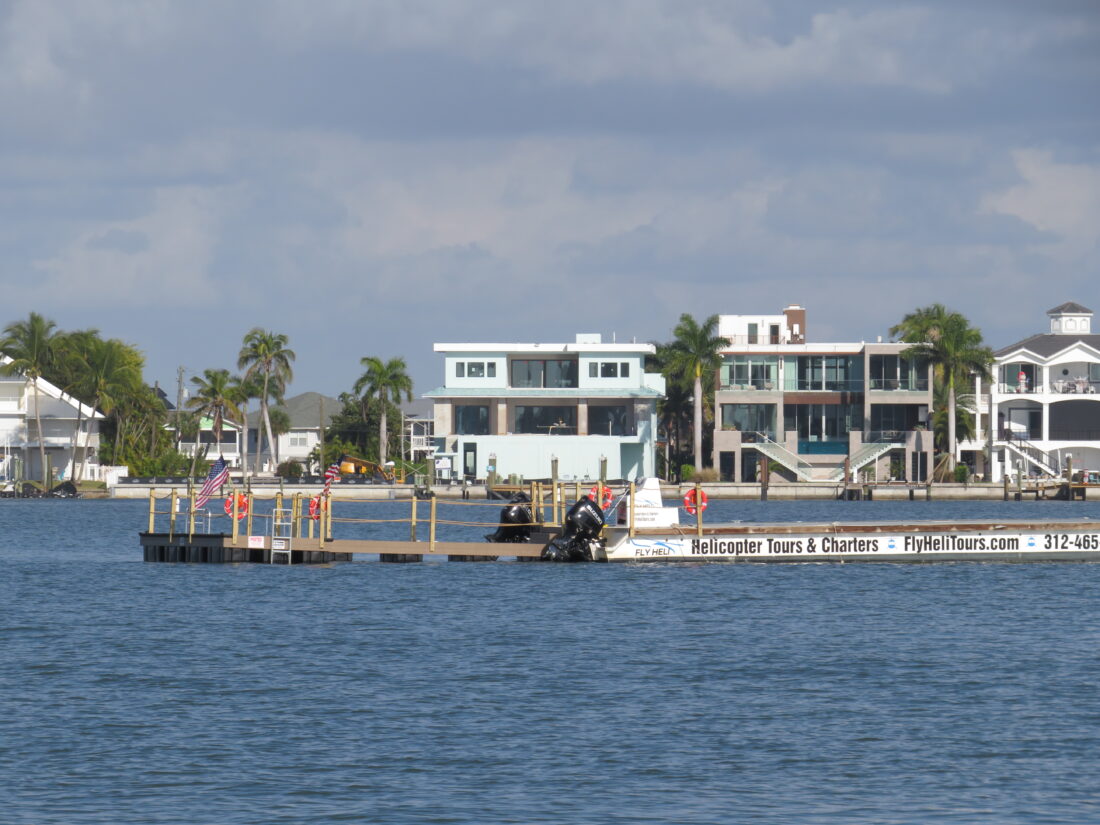
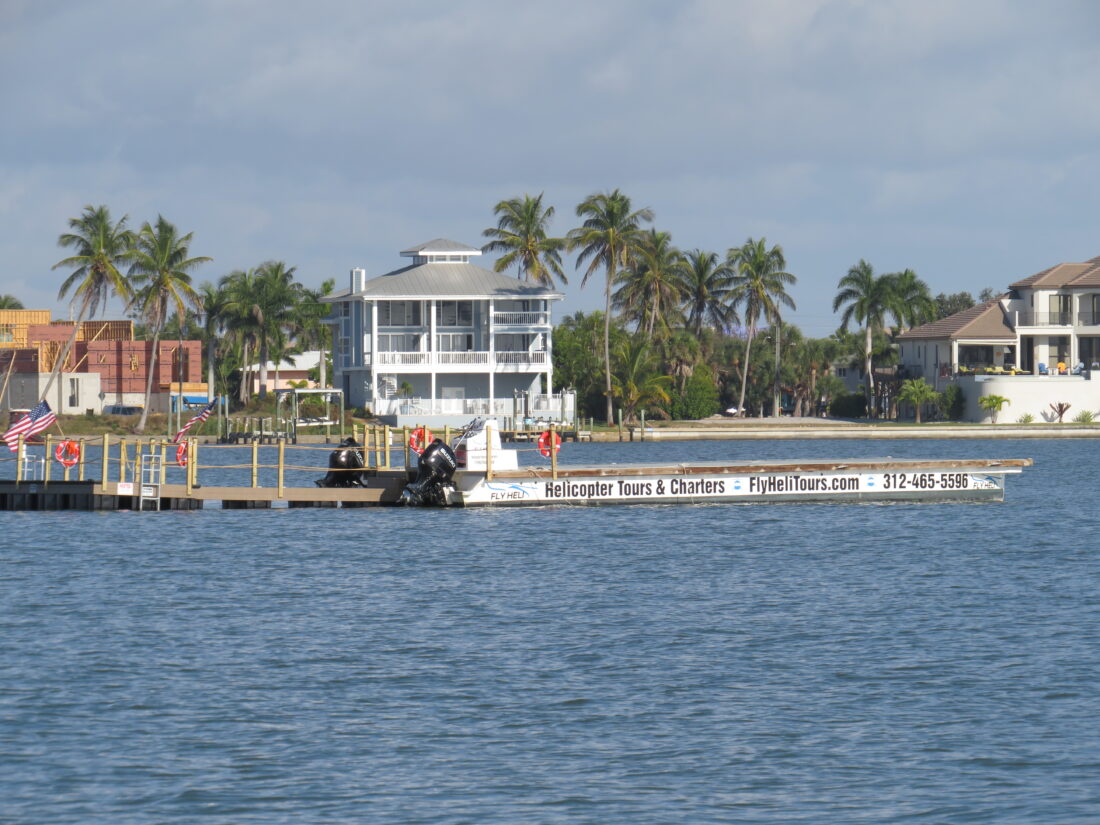
Waterfront homes destroyed by Hurricane Ian are being rebuilt on Fort Myers Beach near where a helicopter has been seen flying after taking off from a barge in the bay. Photo by Nathan Mayberg
3 / 95
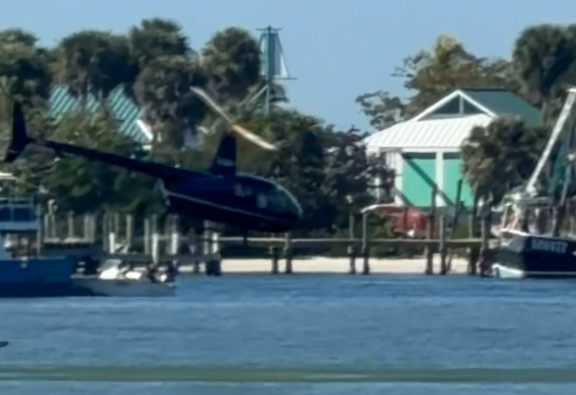
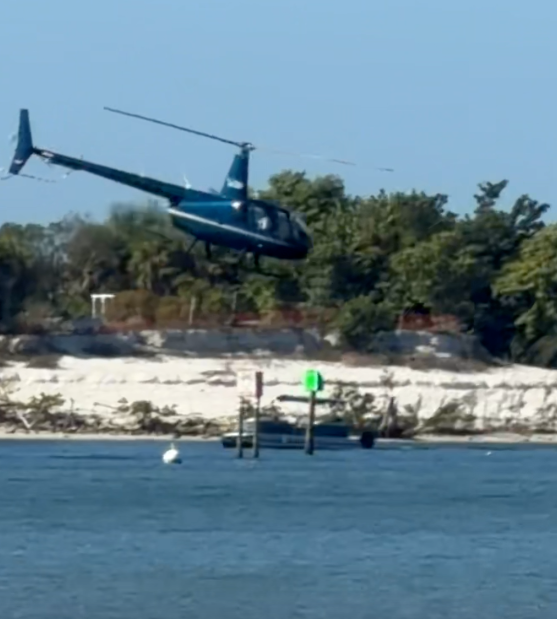
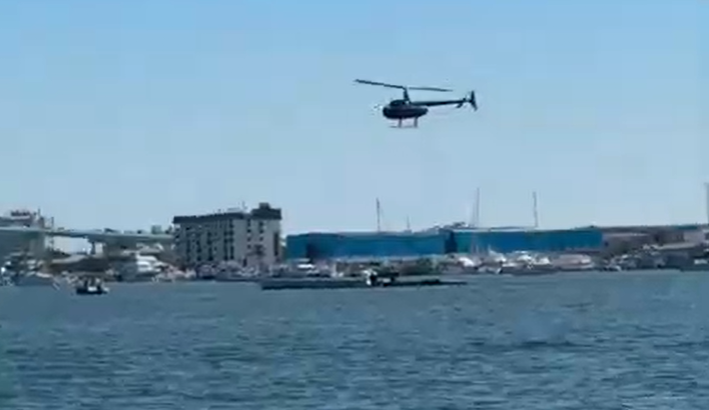
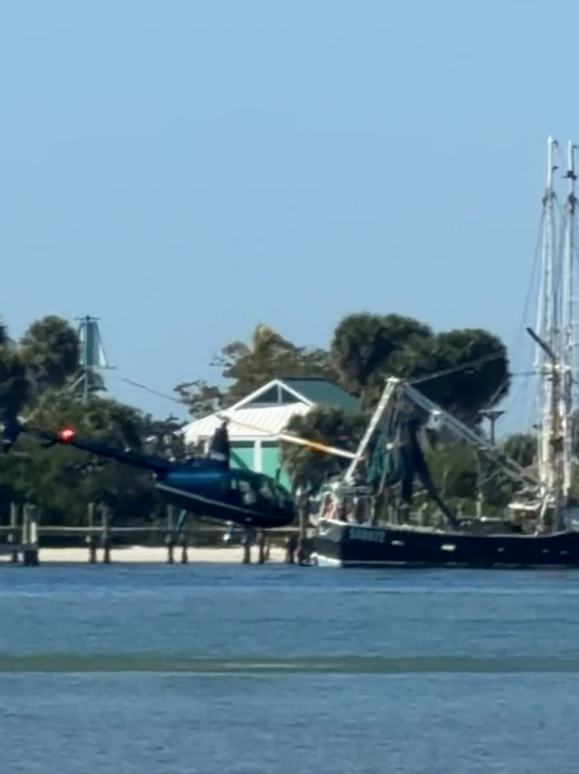
A Fly Heli Tours helicopter takes off from a barge near Bowditch Point Regional Park. Photo provided
4 / 95
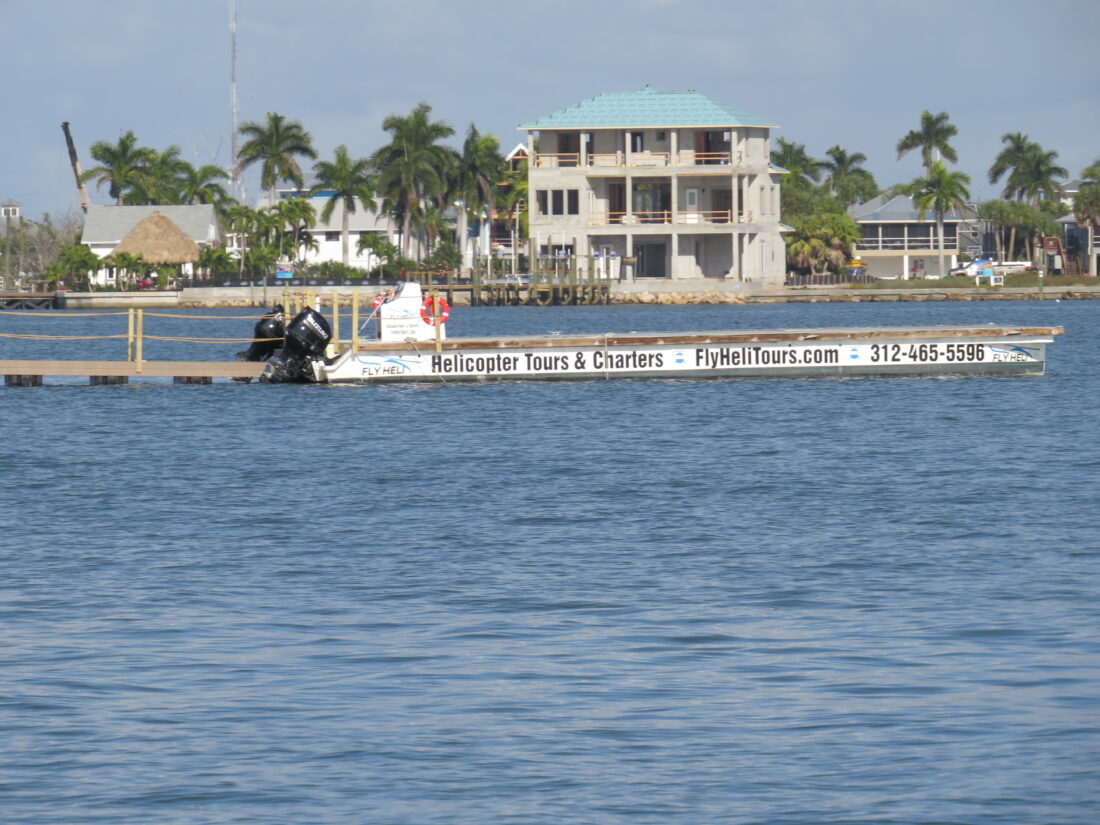
A helicopter tour company has been landing and taking off helicopters from a barge in the bay. The helicopters have been seeing hovering near homes as it circles the bay after taking off. Photo by Nathan Mayberg
5 / 95
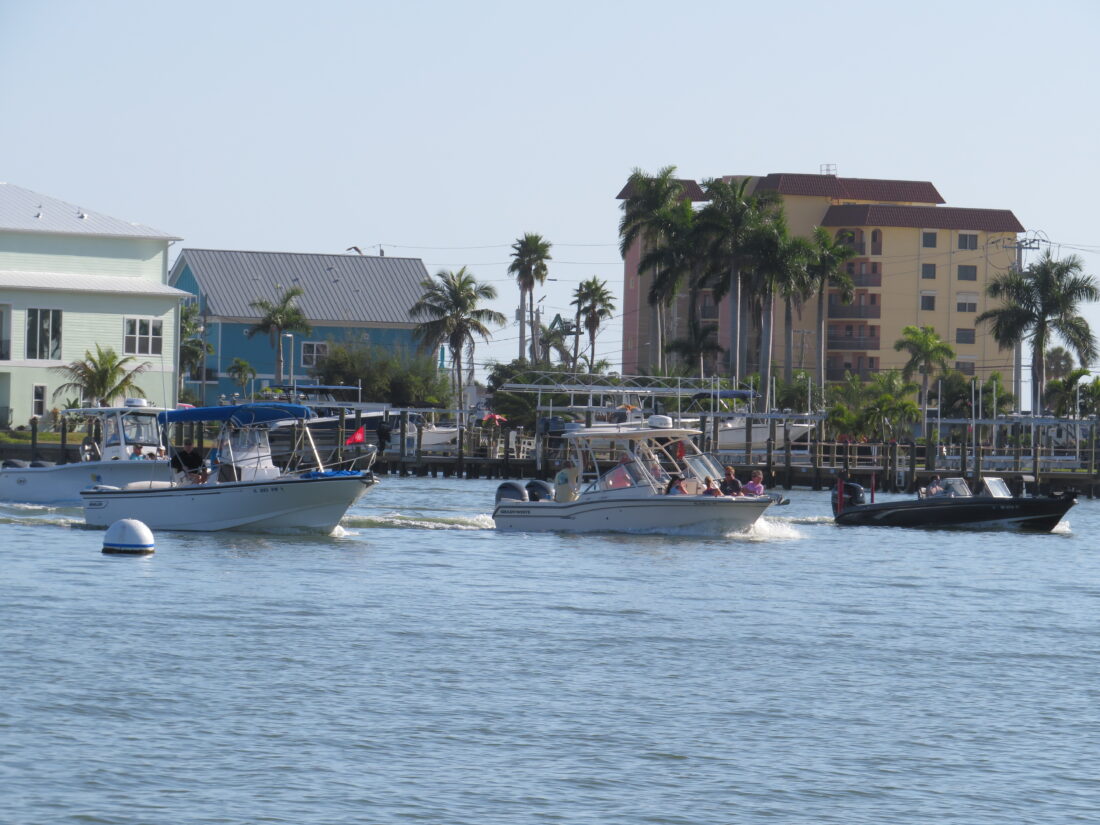
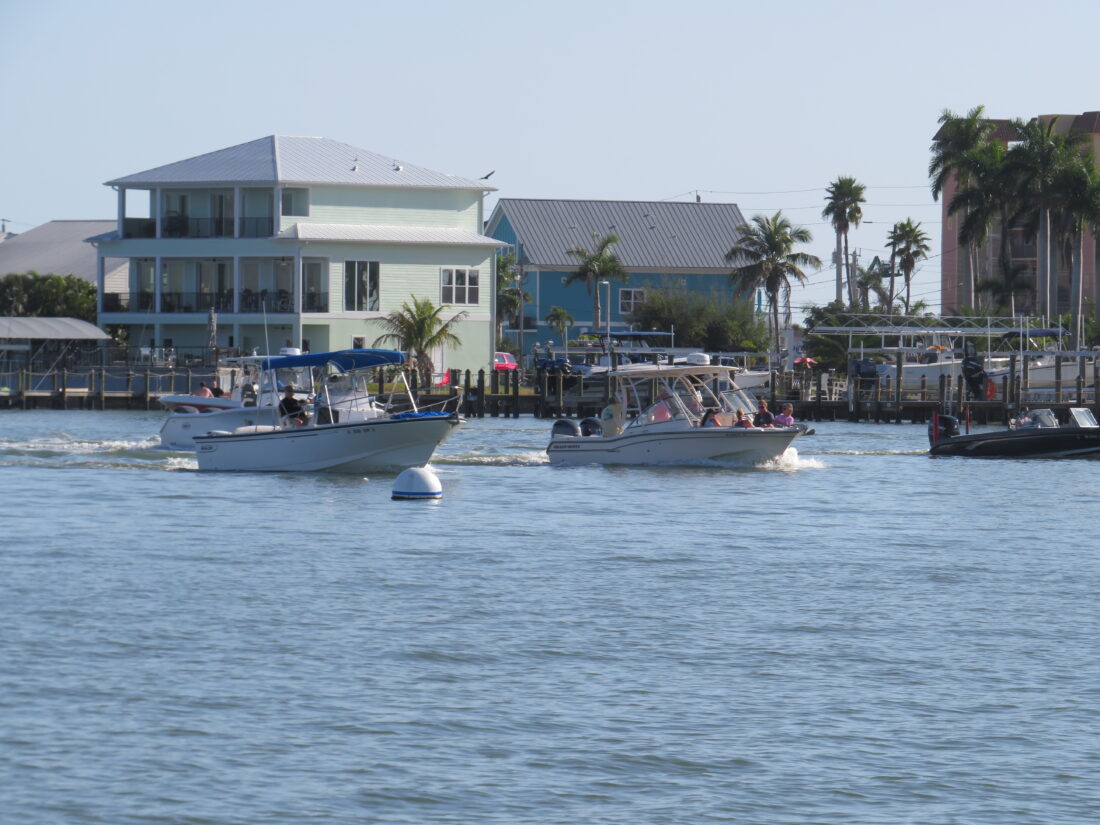
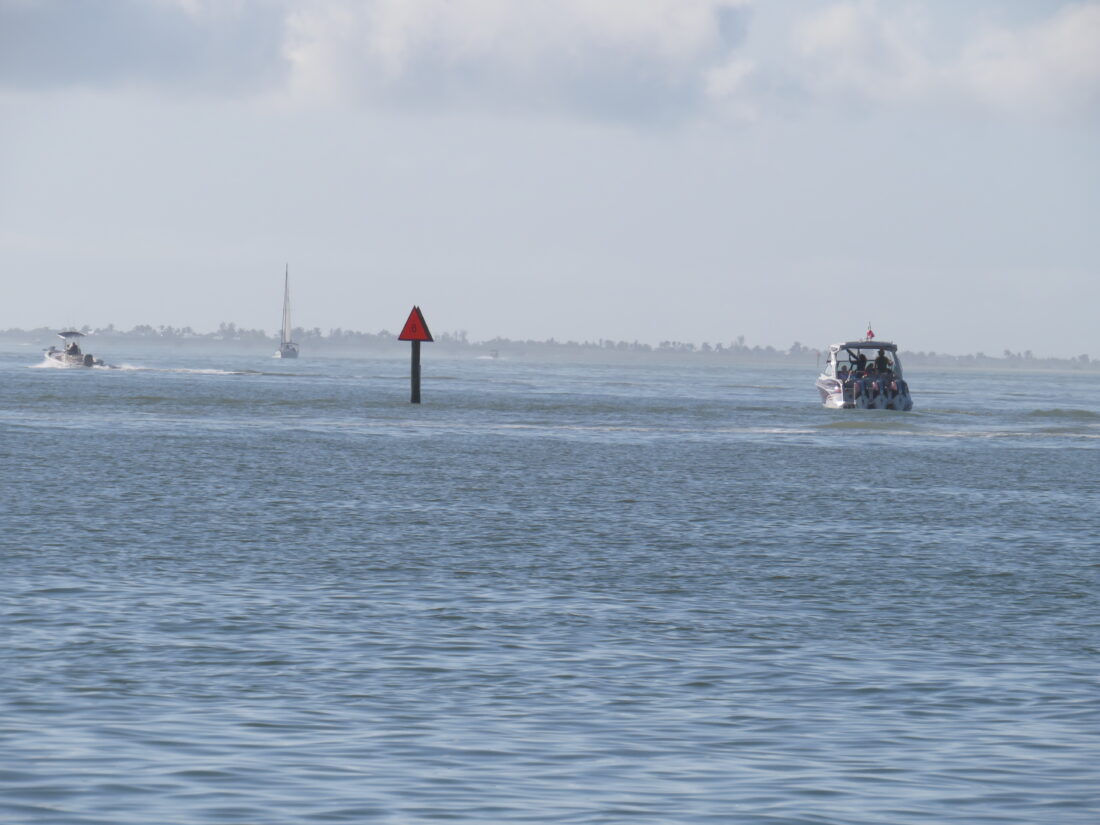
The area where a barge has been situated in the bay is home to a lot of boat traffic, which has raised safety concerns among boat charter tour company operators. Photo by Nathan Mayberg
6 / 95
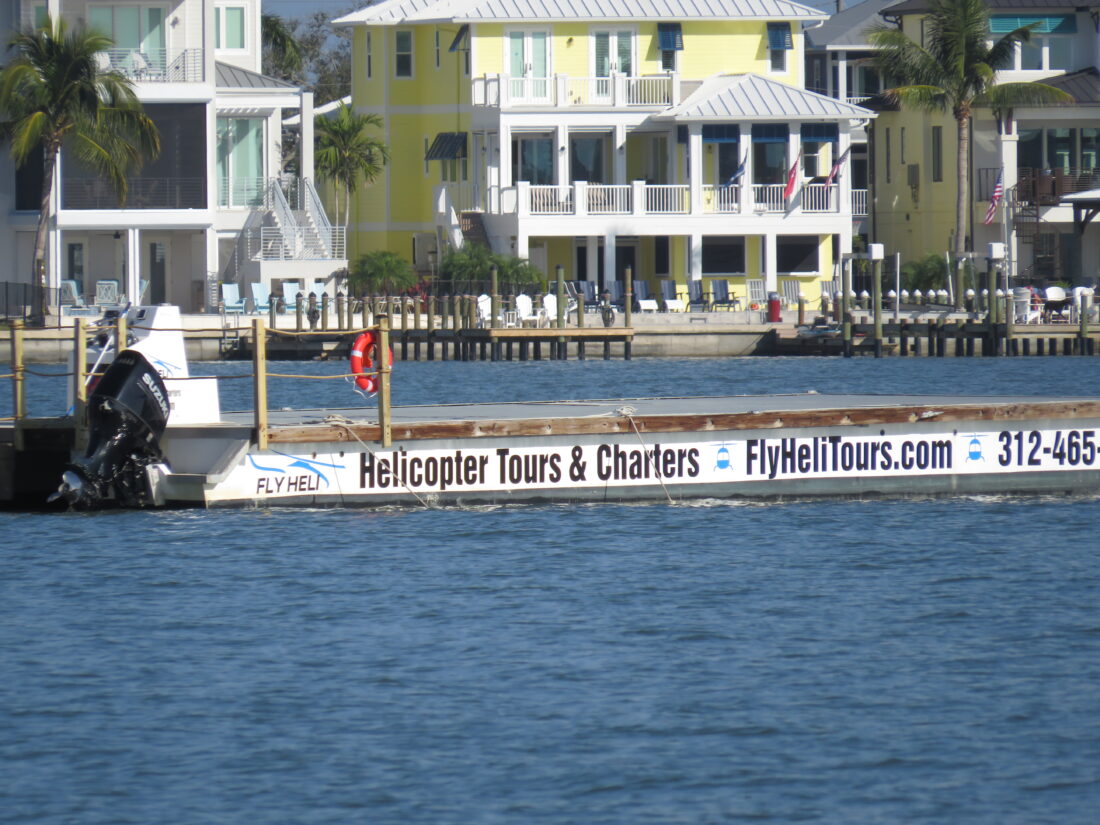
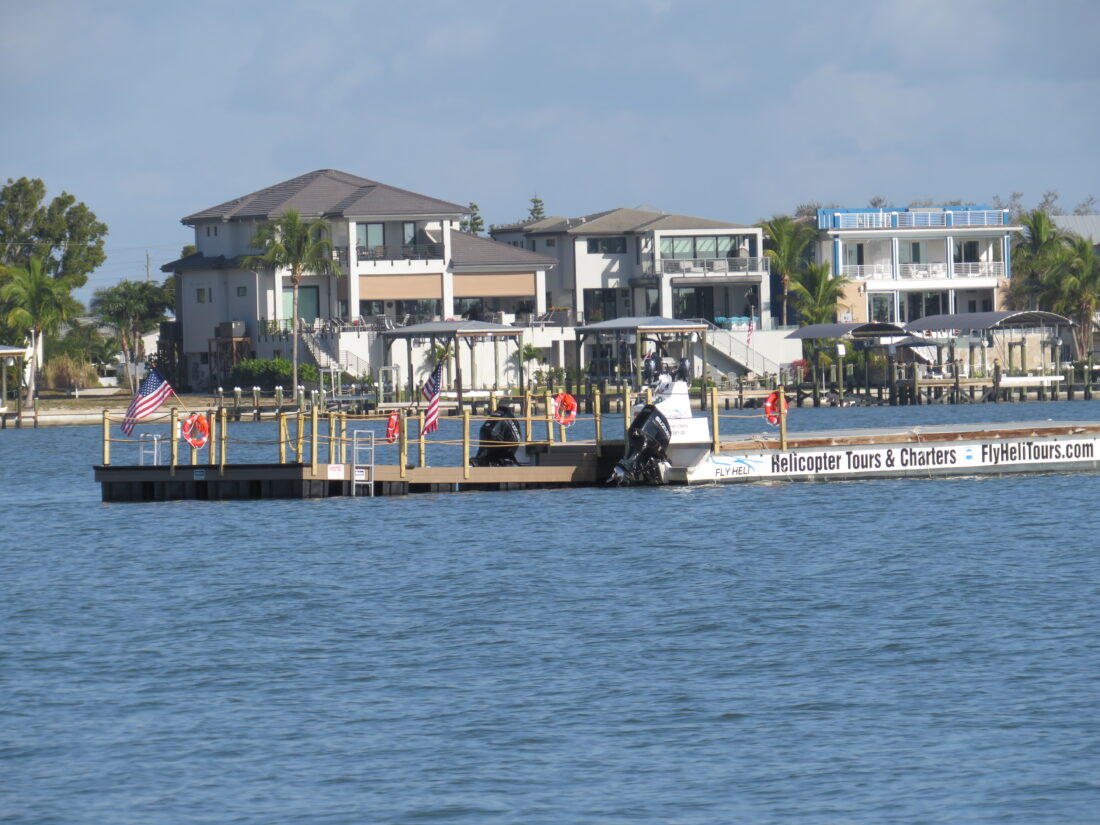
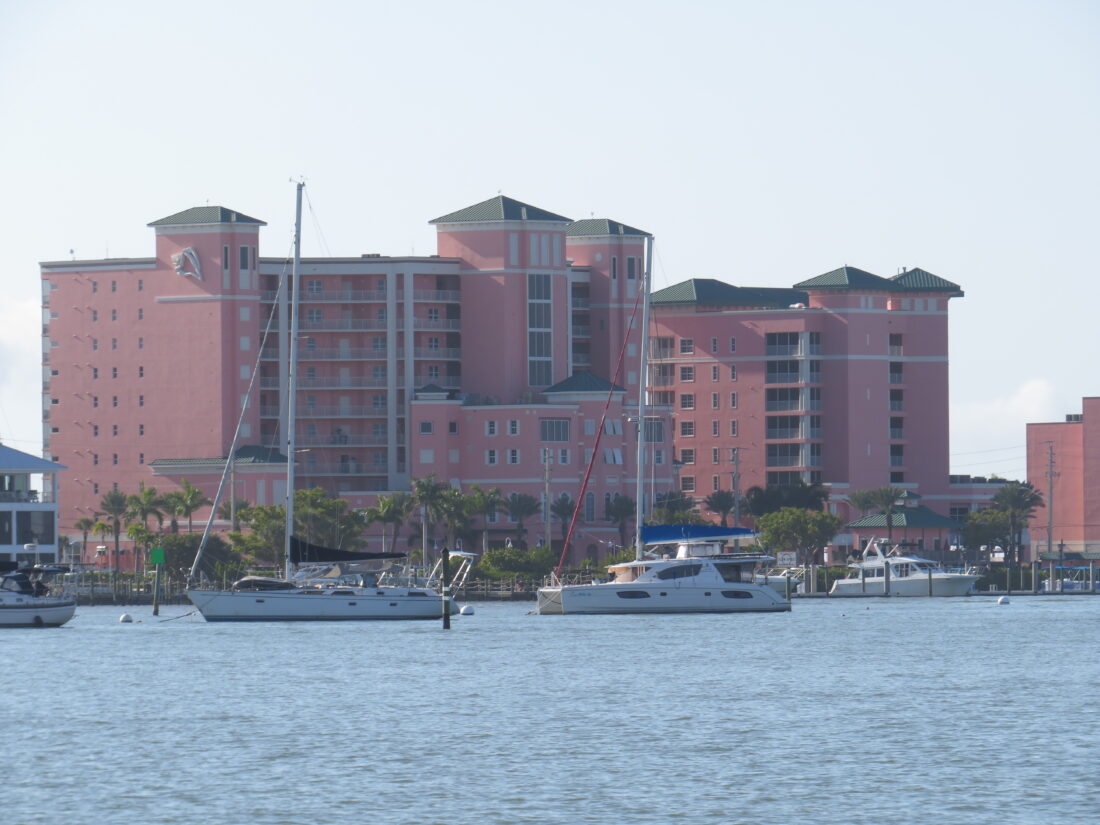
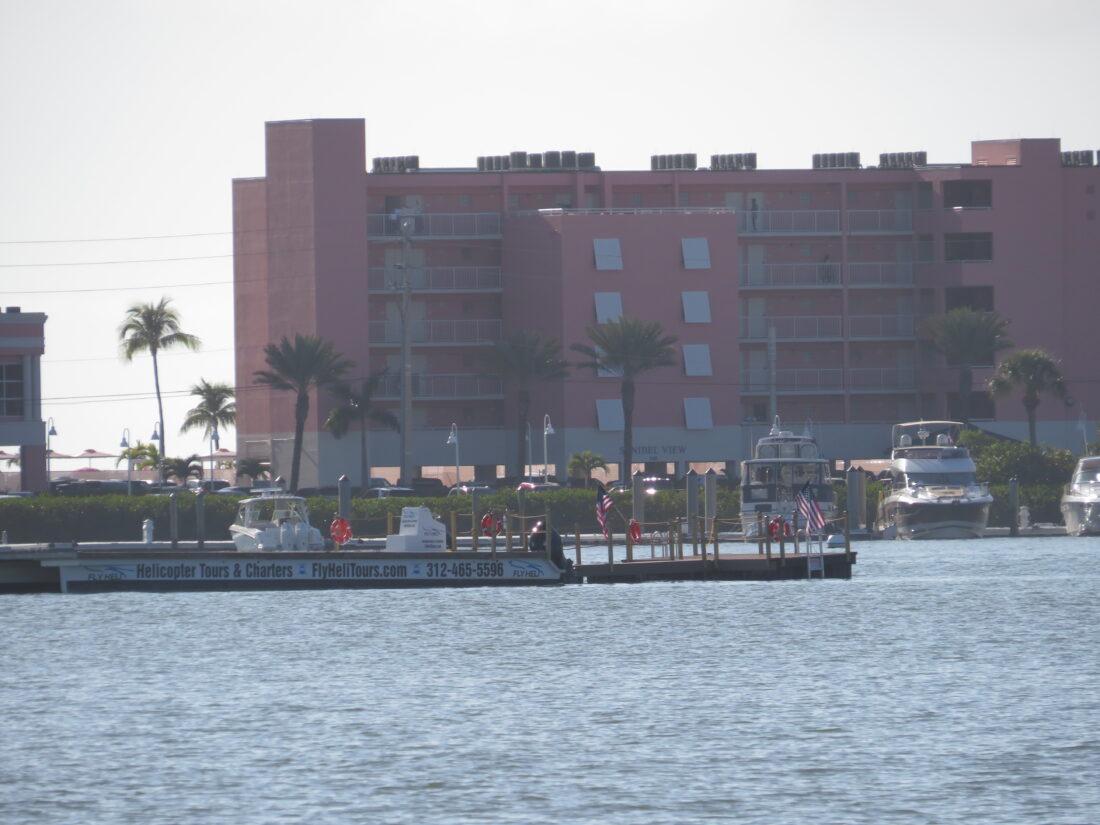
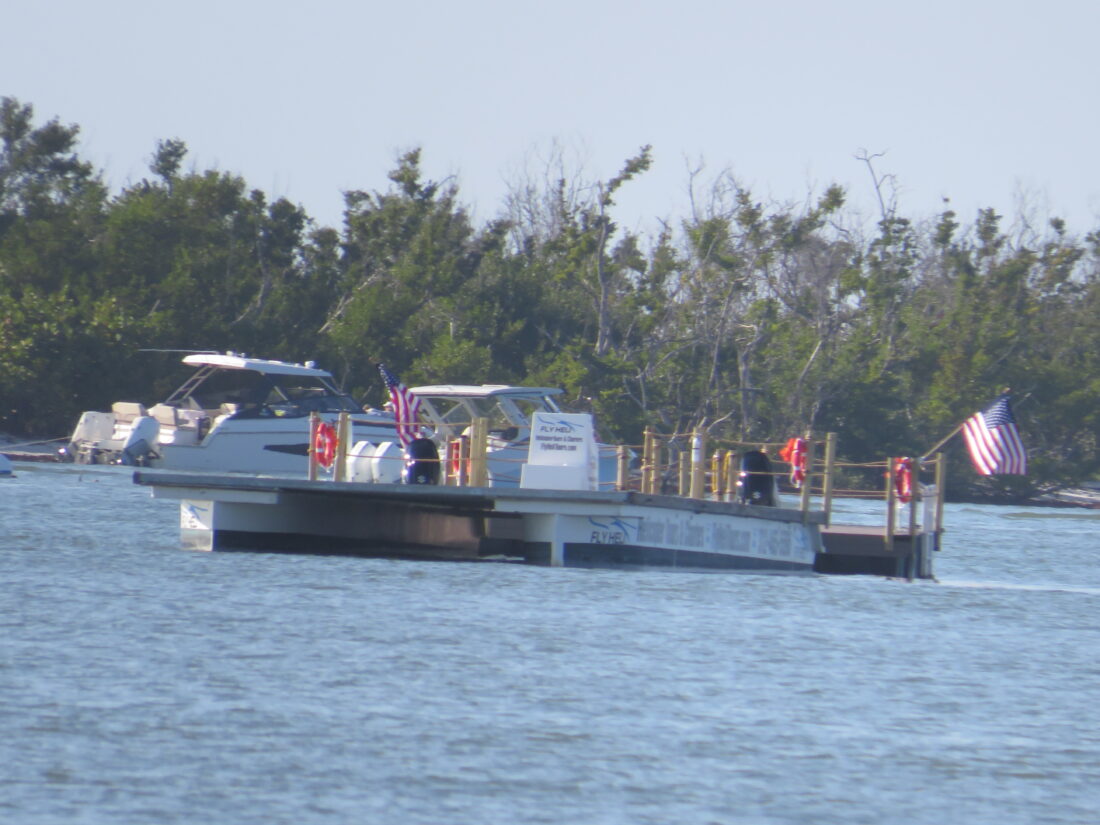
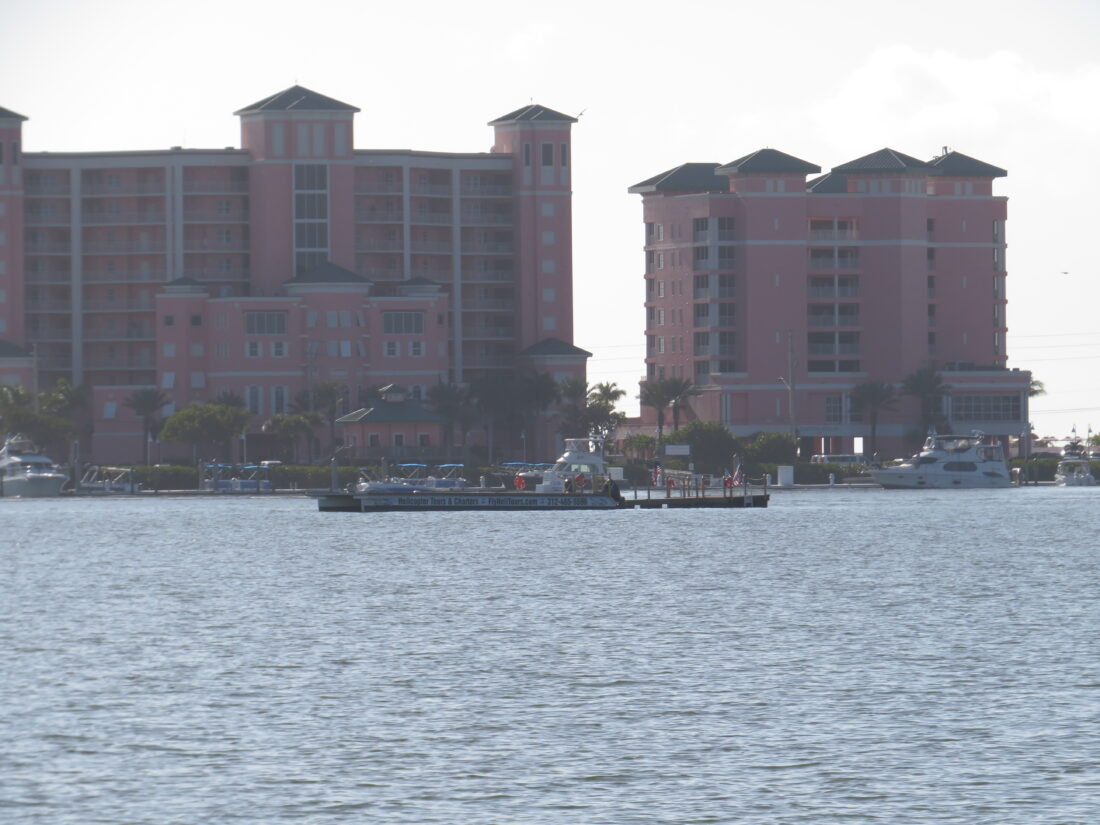
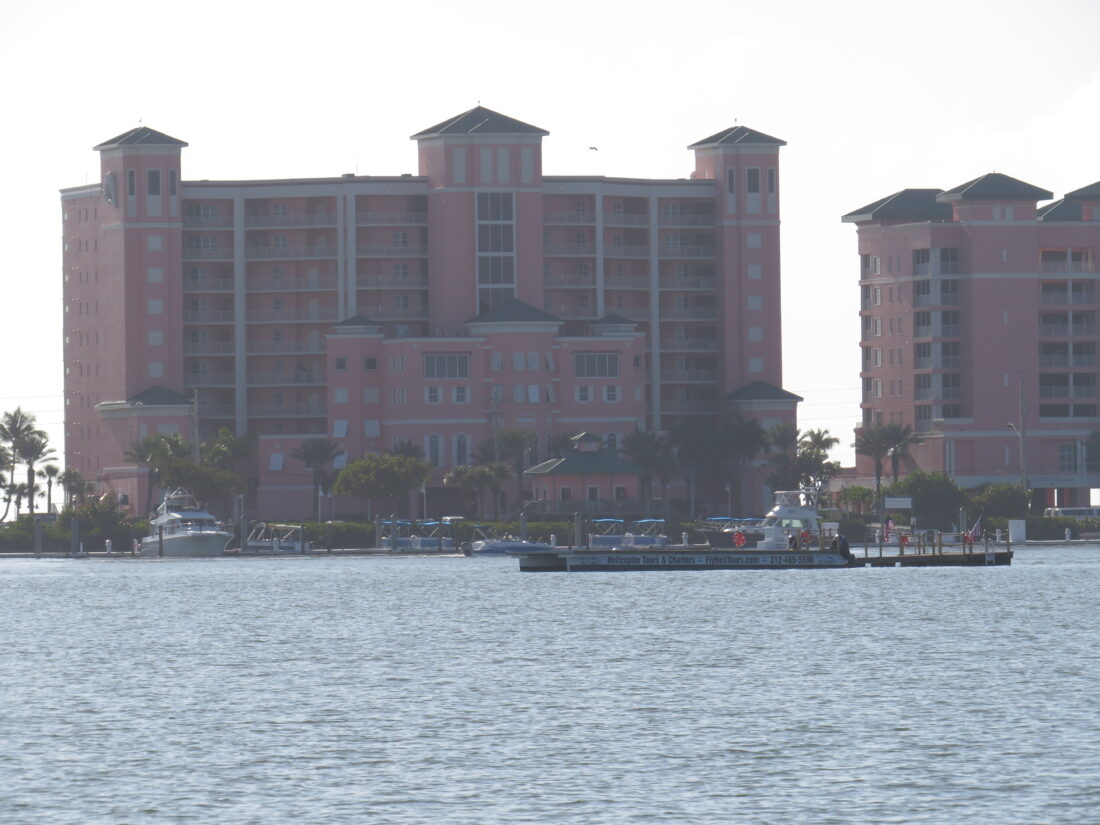
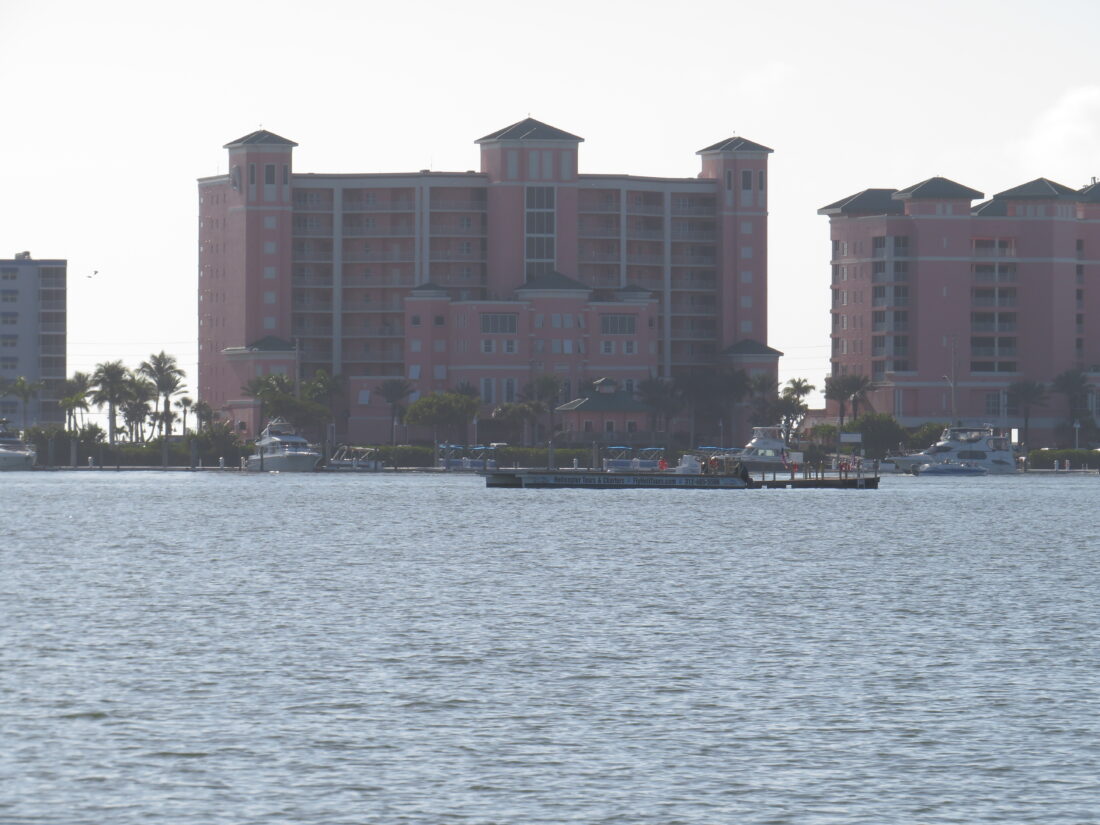
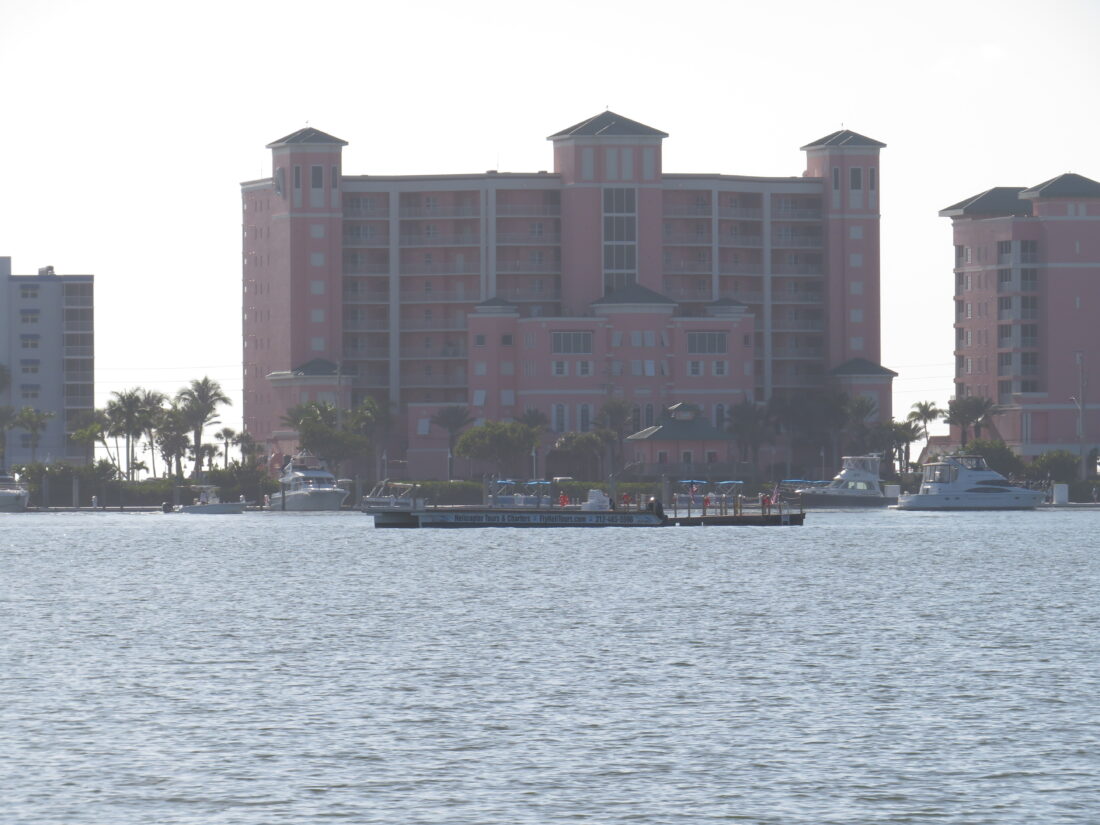
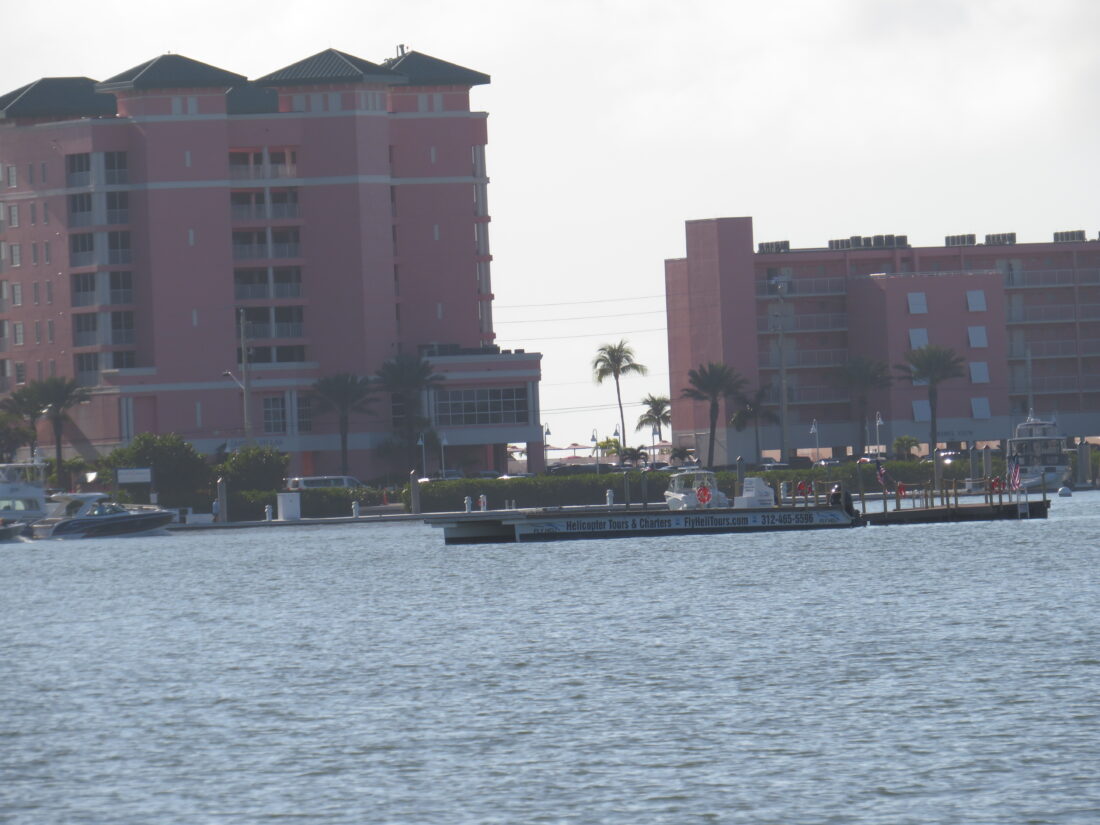
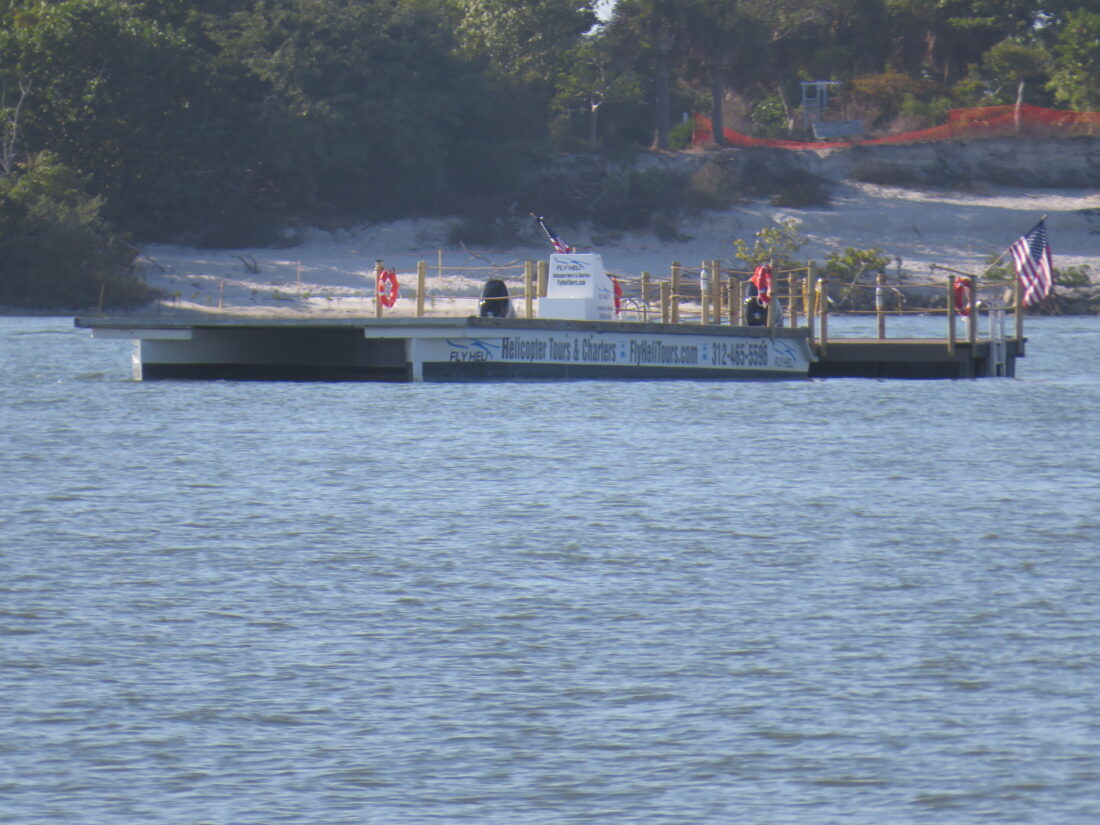
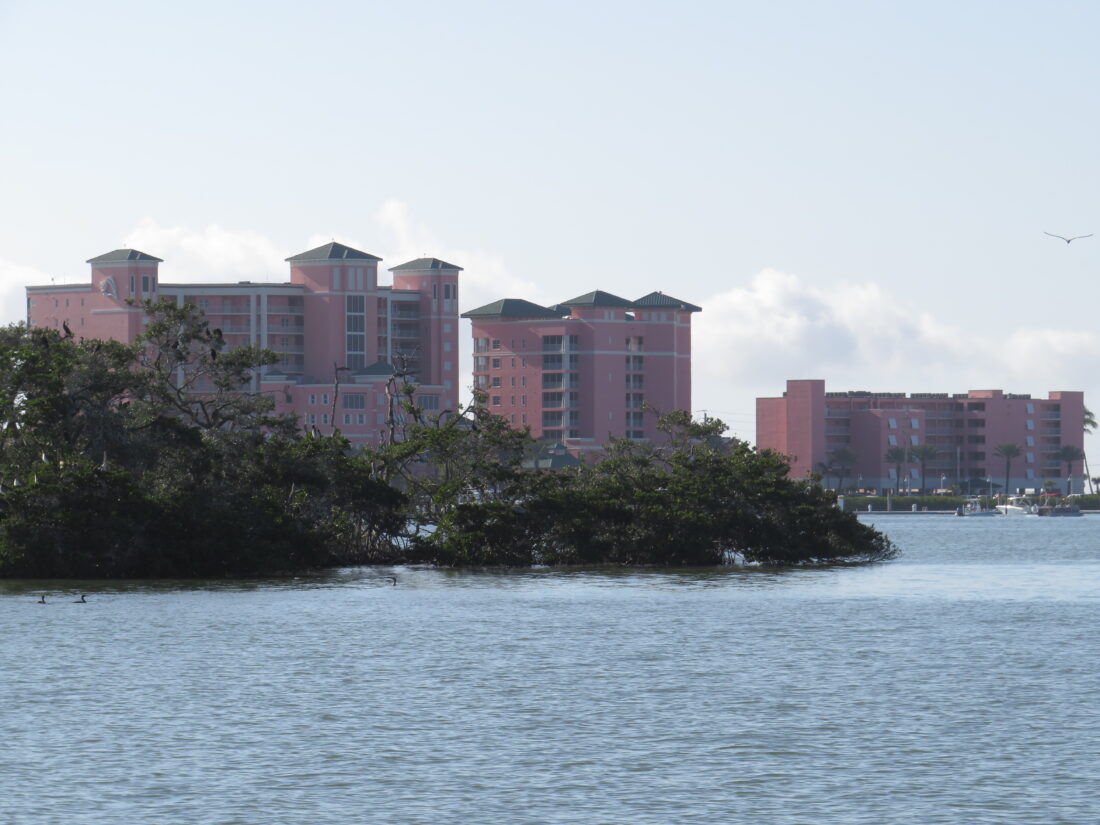
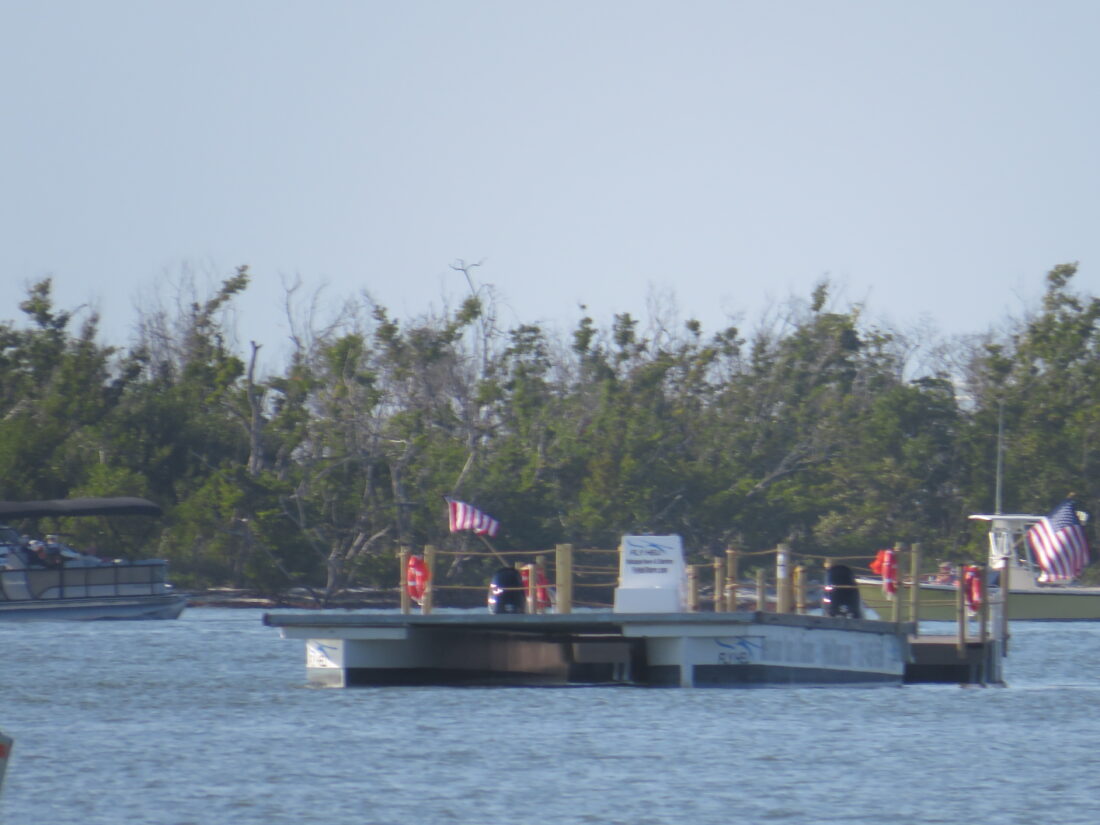
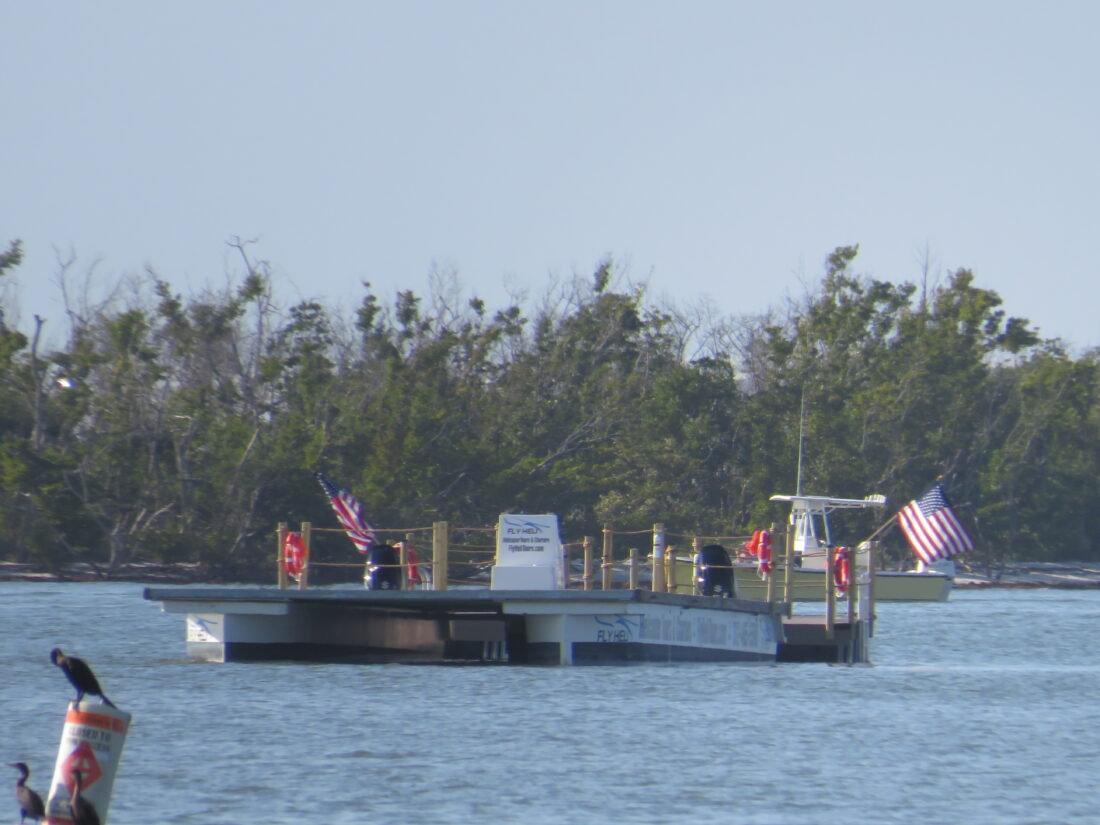
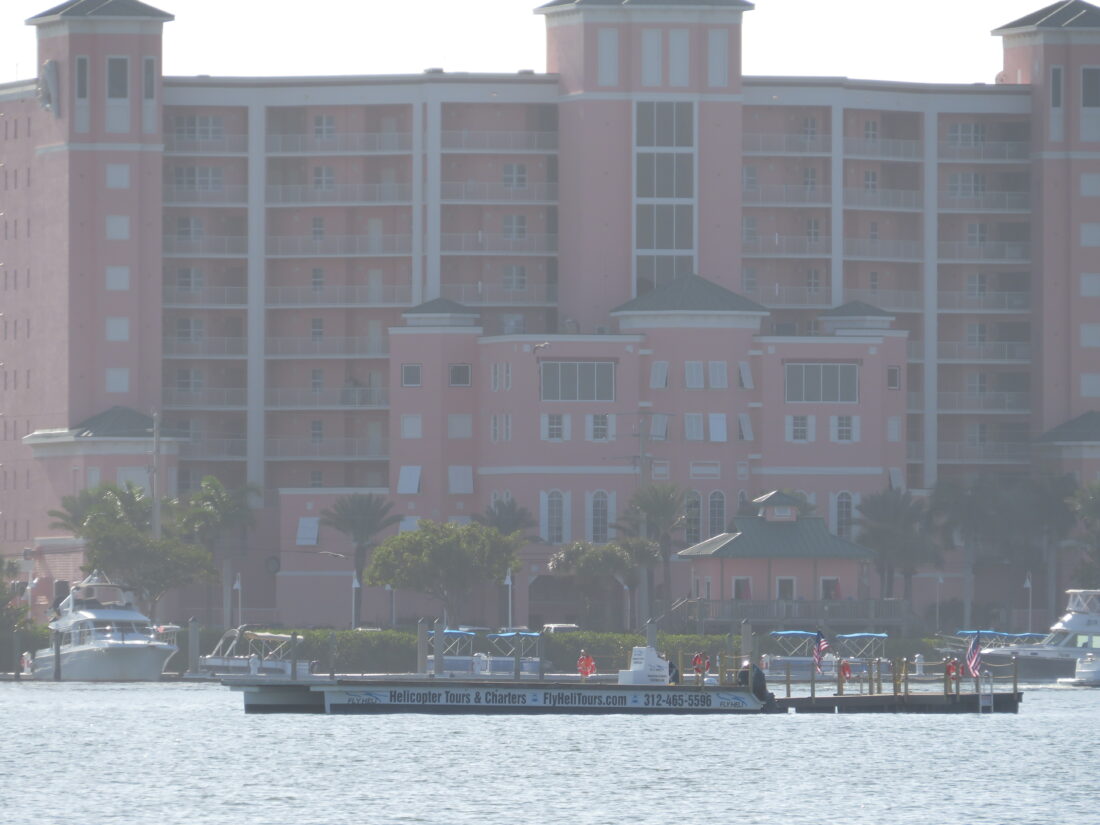
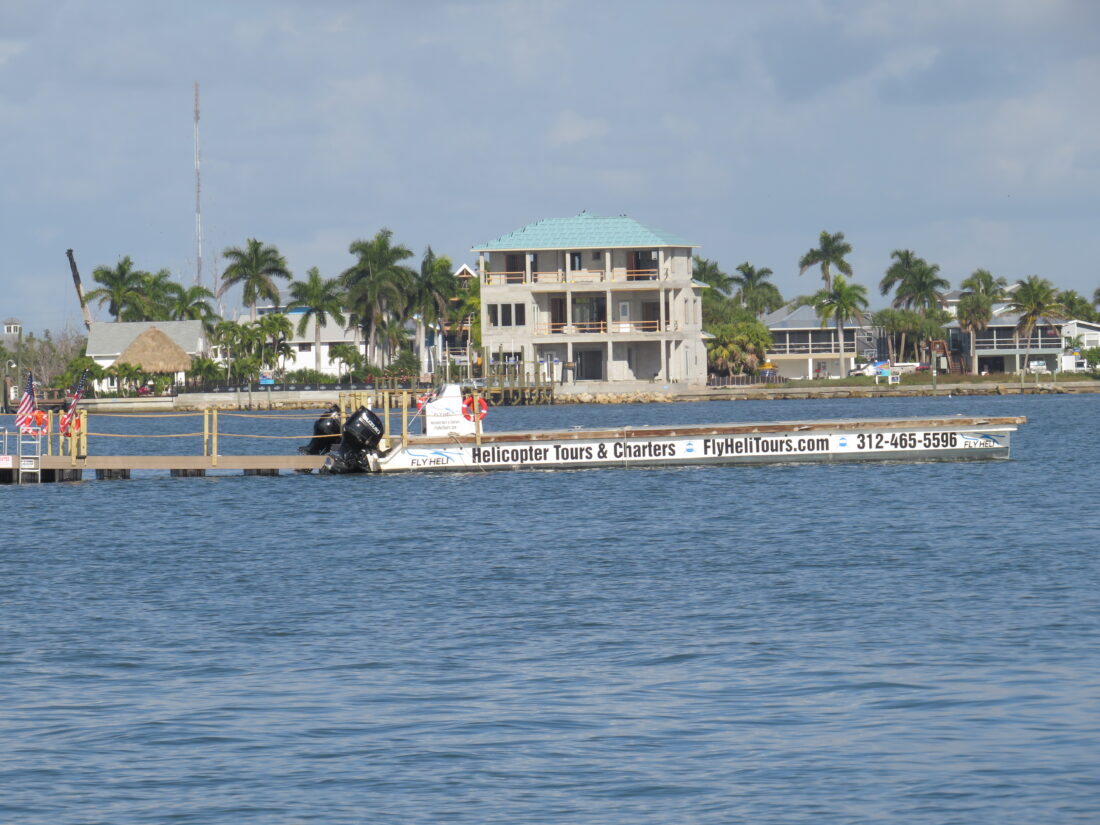
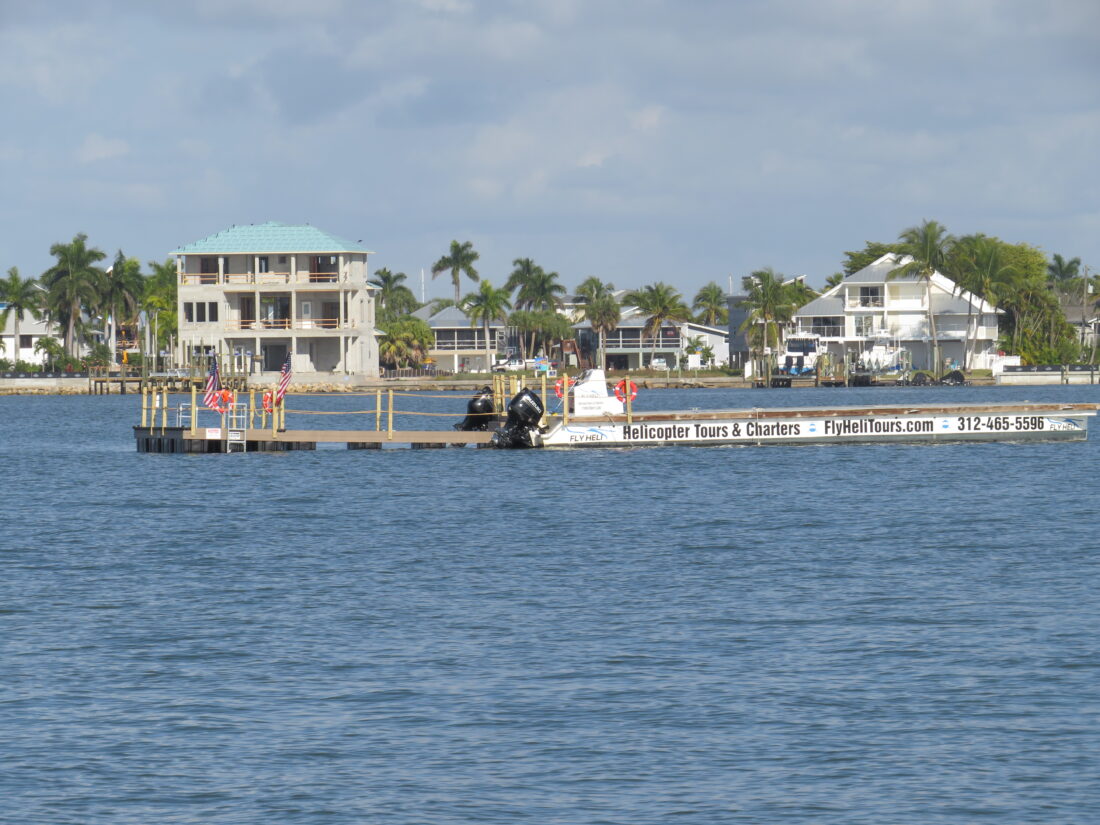
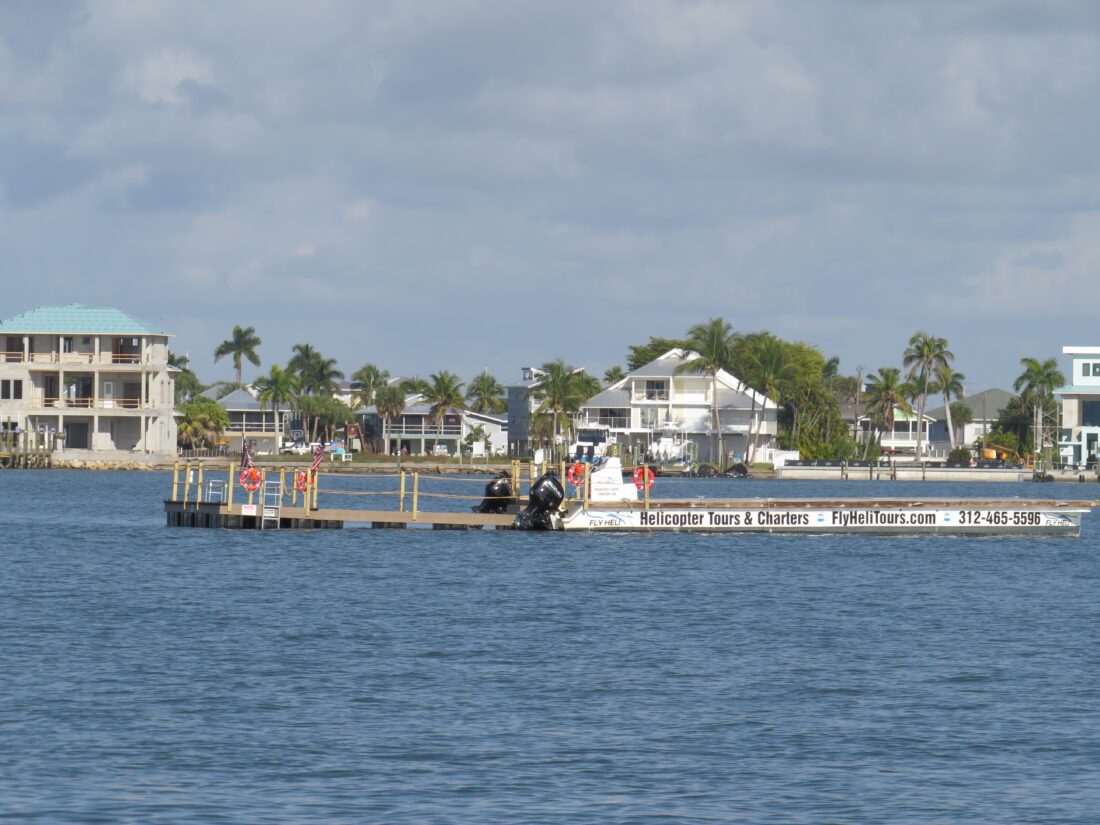
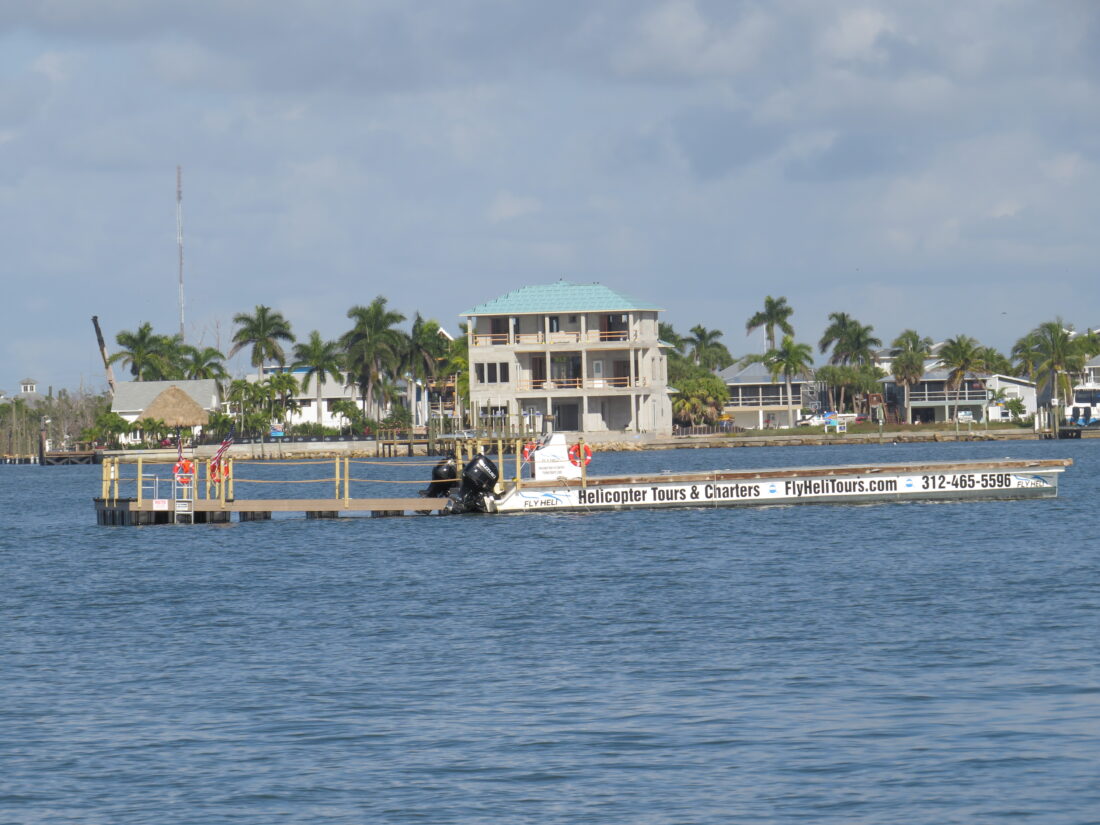
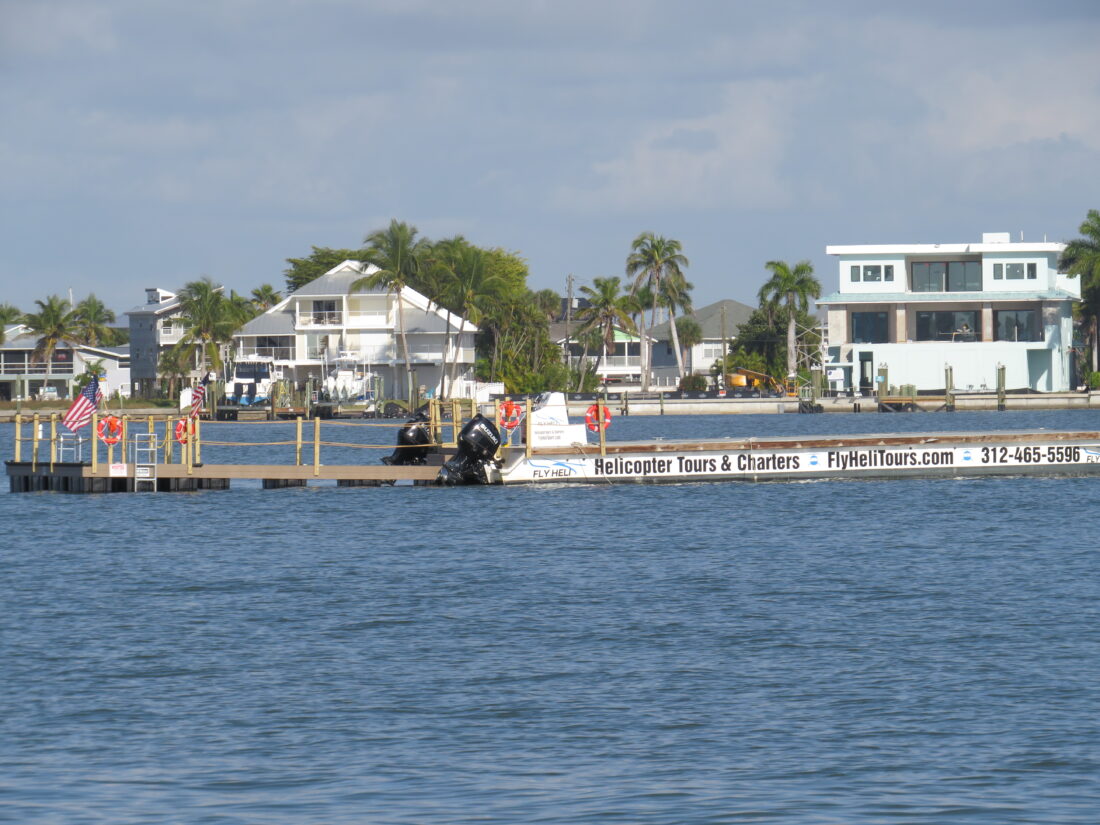
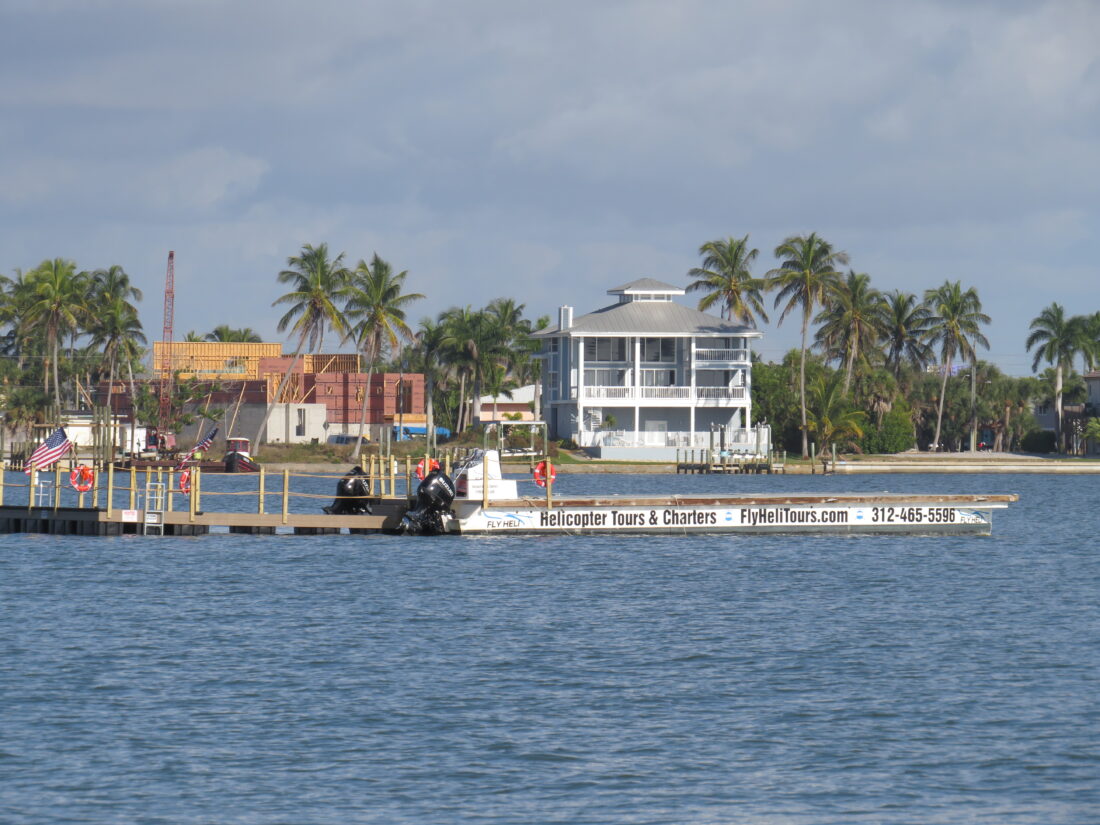
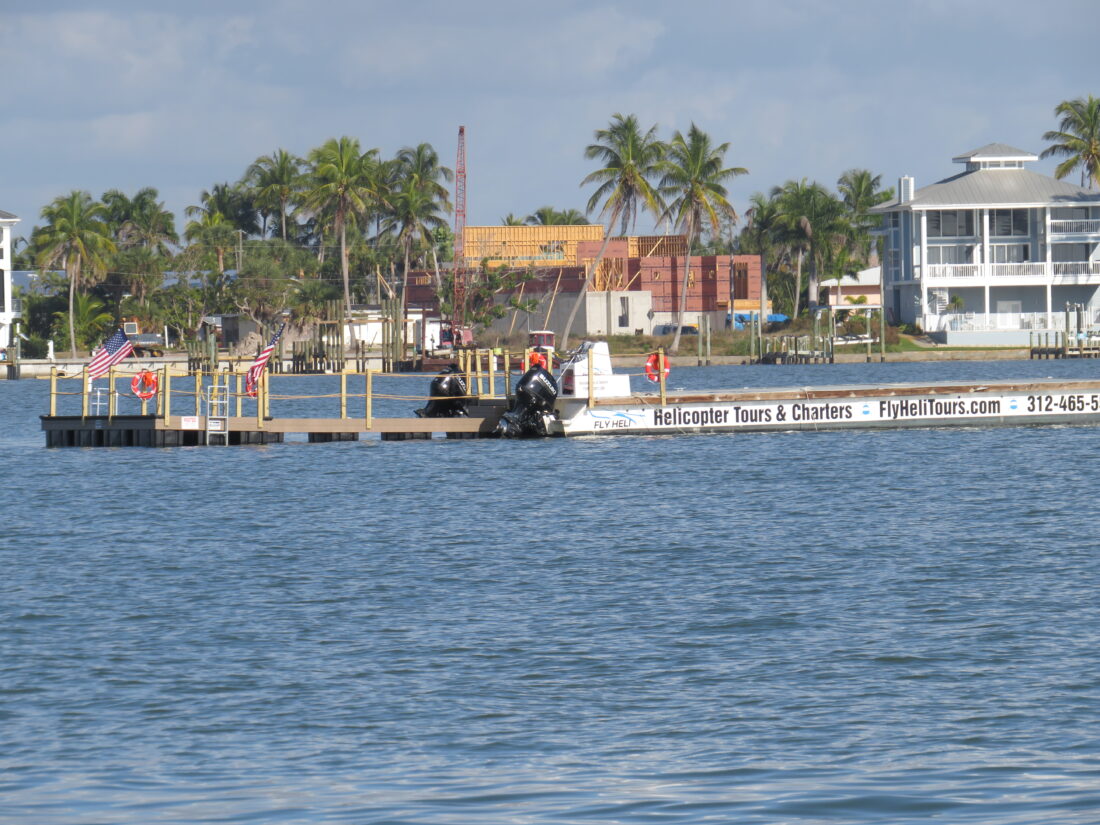
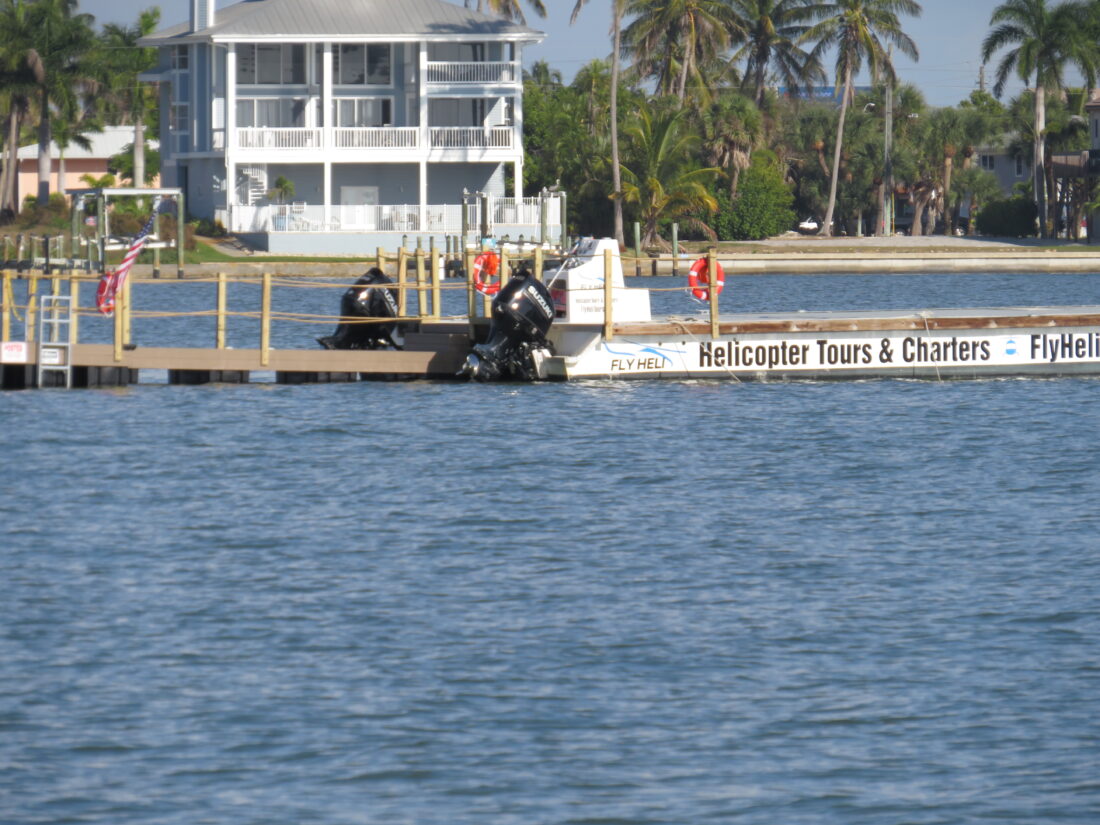
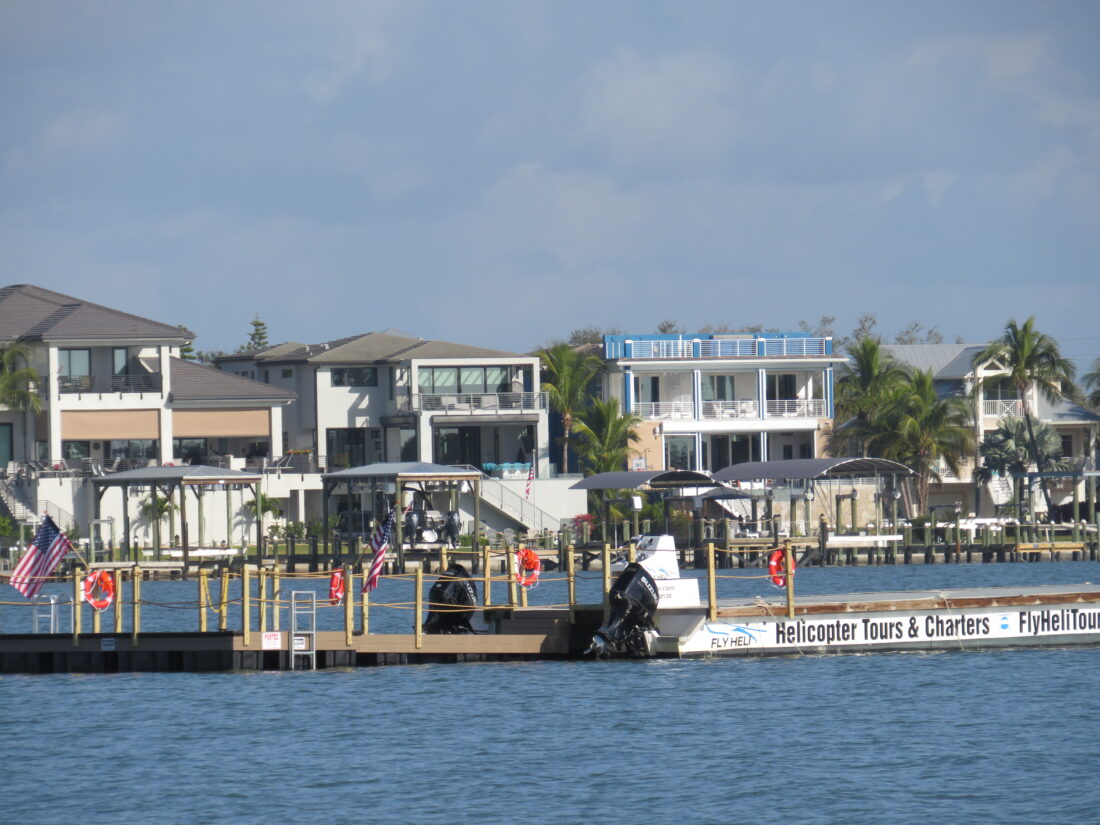
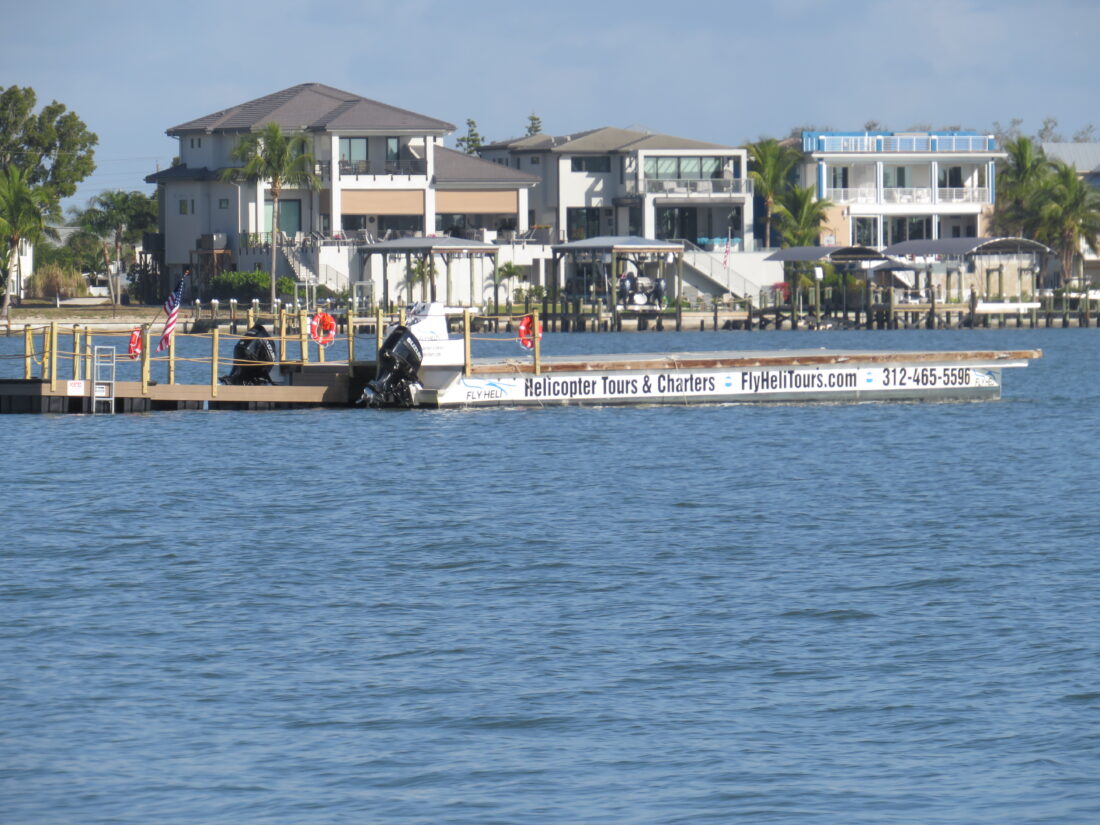
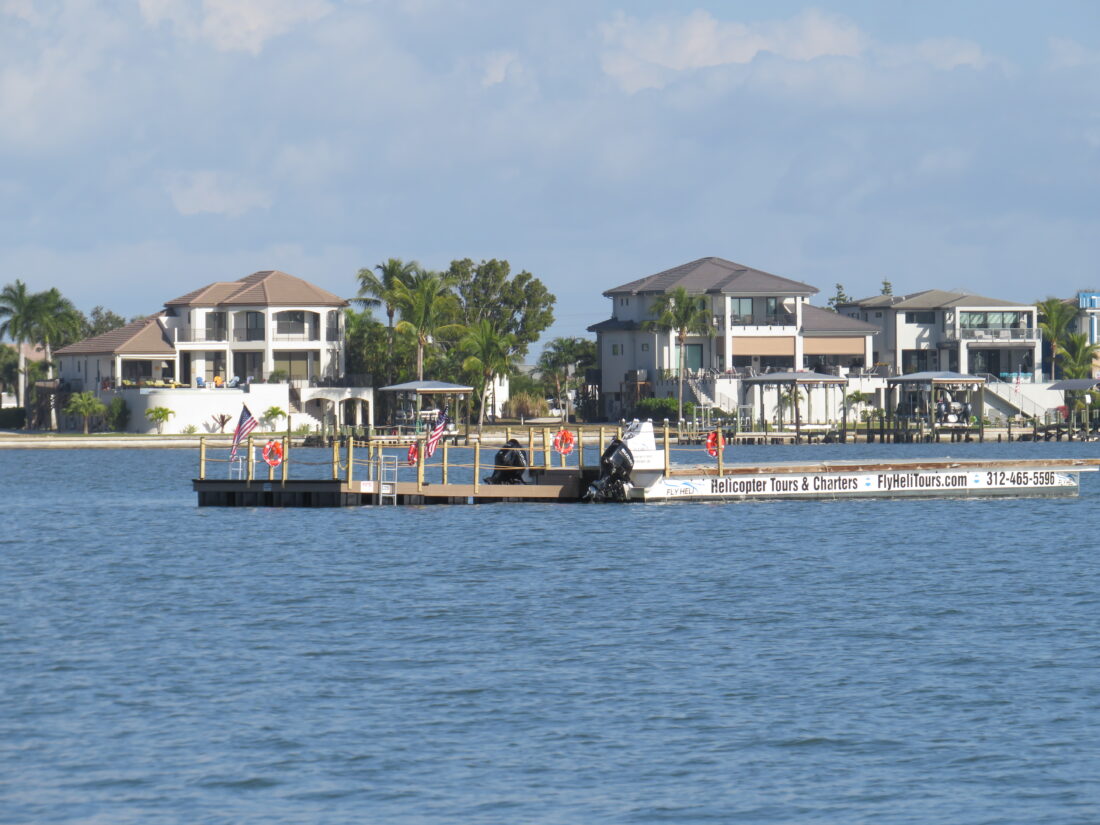
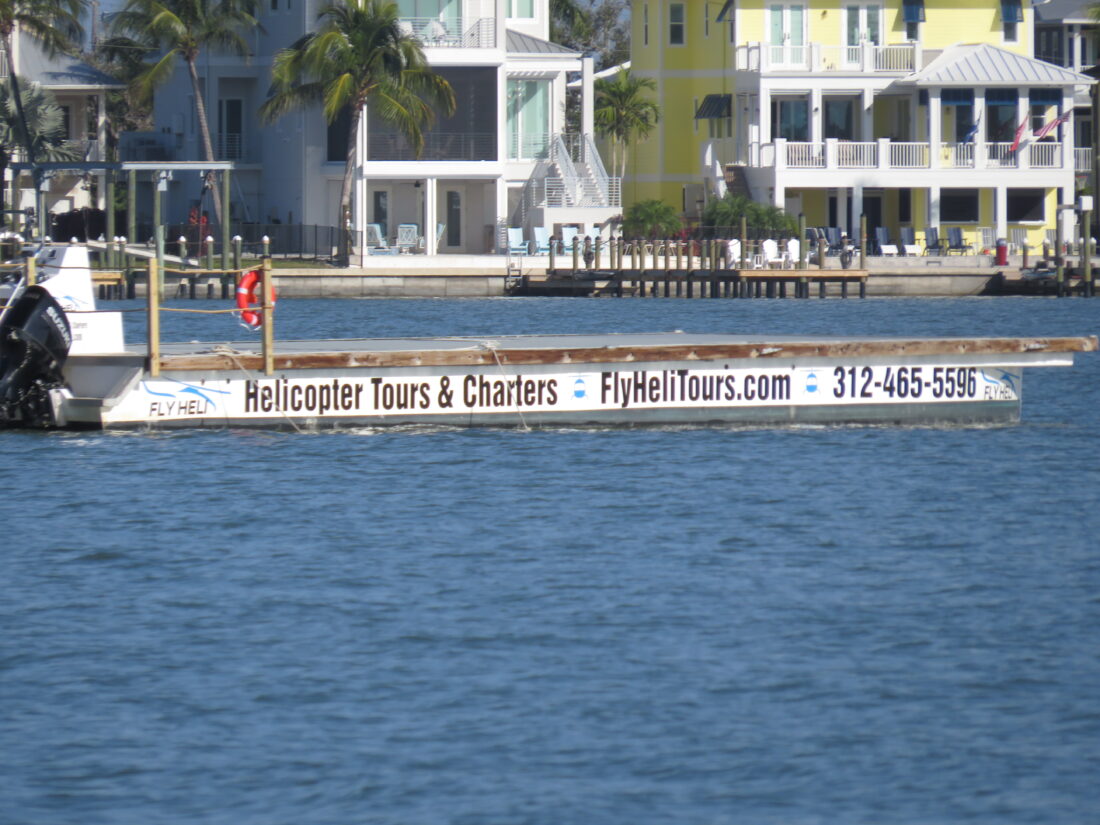
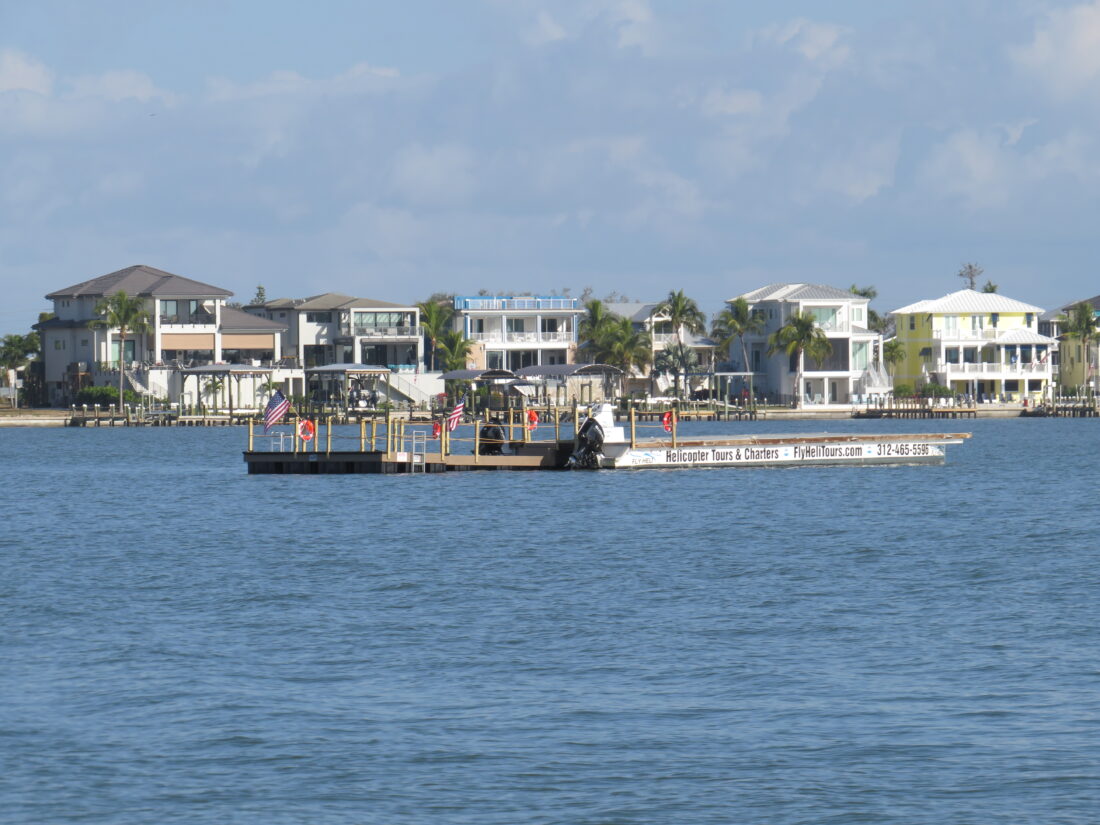
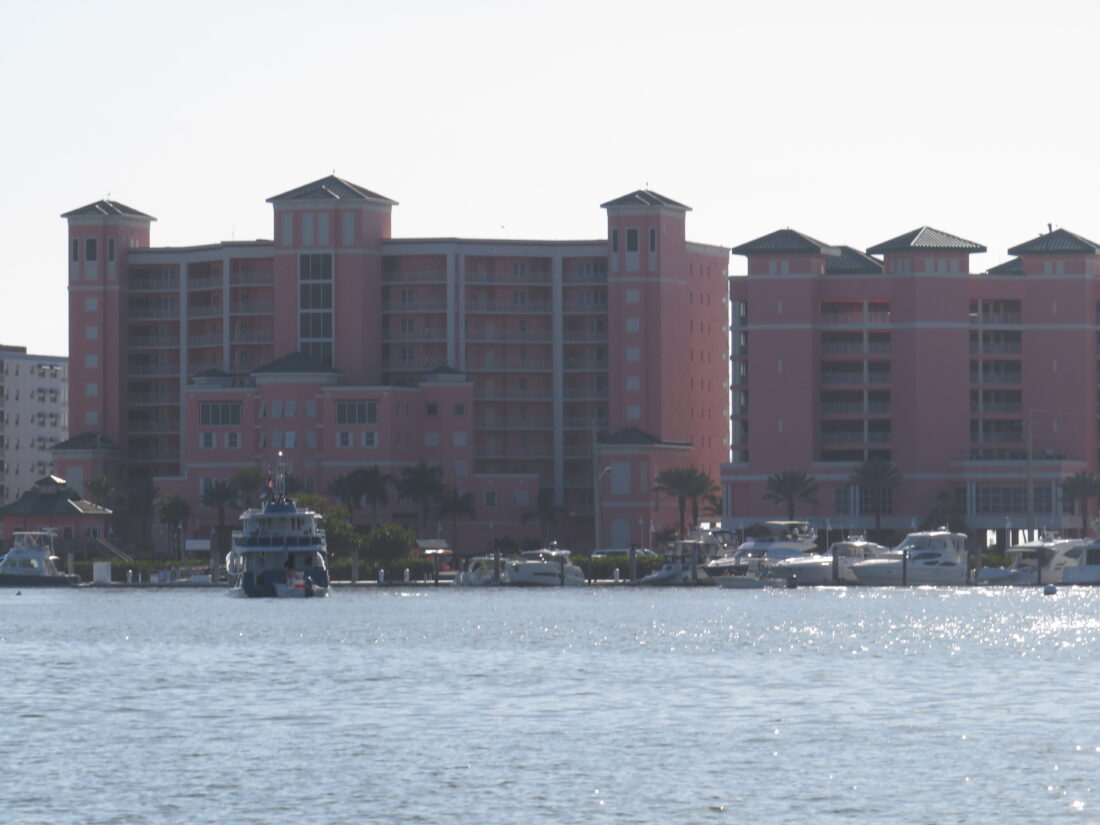
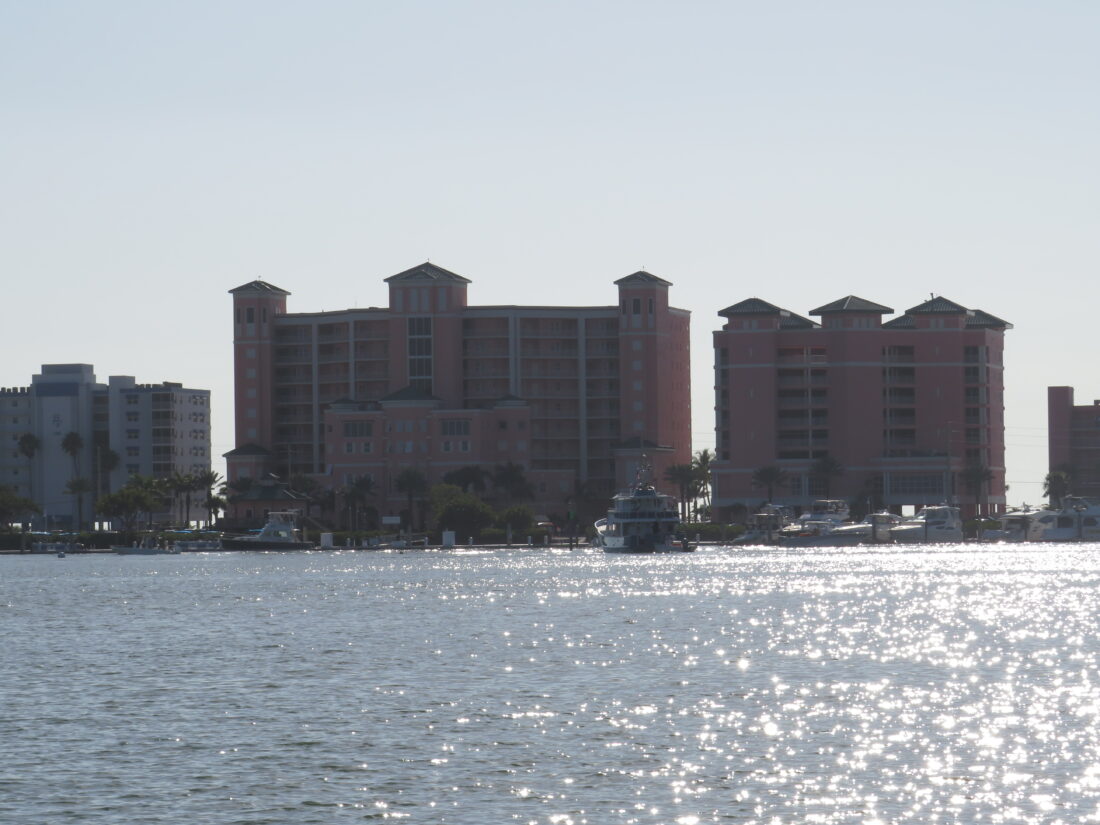
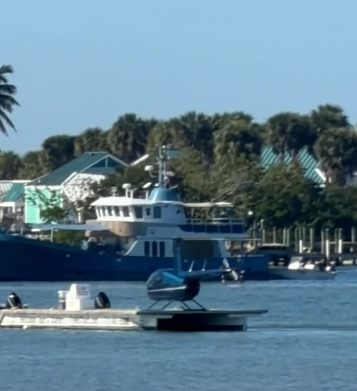
Fly Heli Tours has anchored a barge in the middle of San Carlos Bay and Matanzas Pass to use for a helicopter to take off and land, in close proximity to the Pink Shell Beach Resort on Fort Myers Beach. Photo by Nathan Mayberg
7 / 95
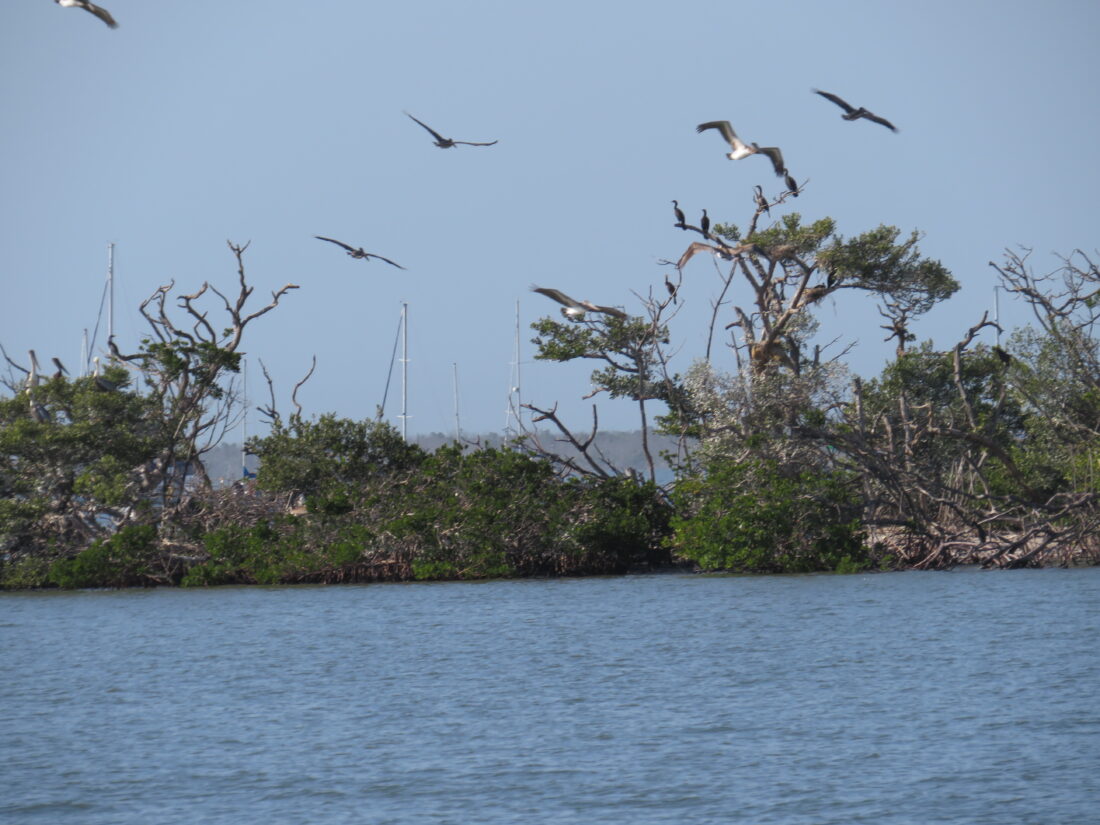
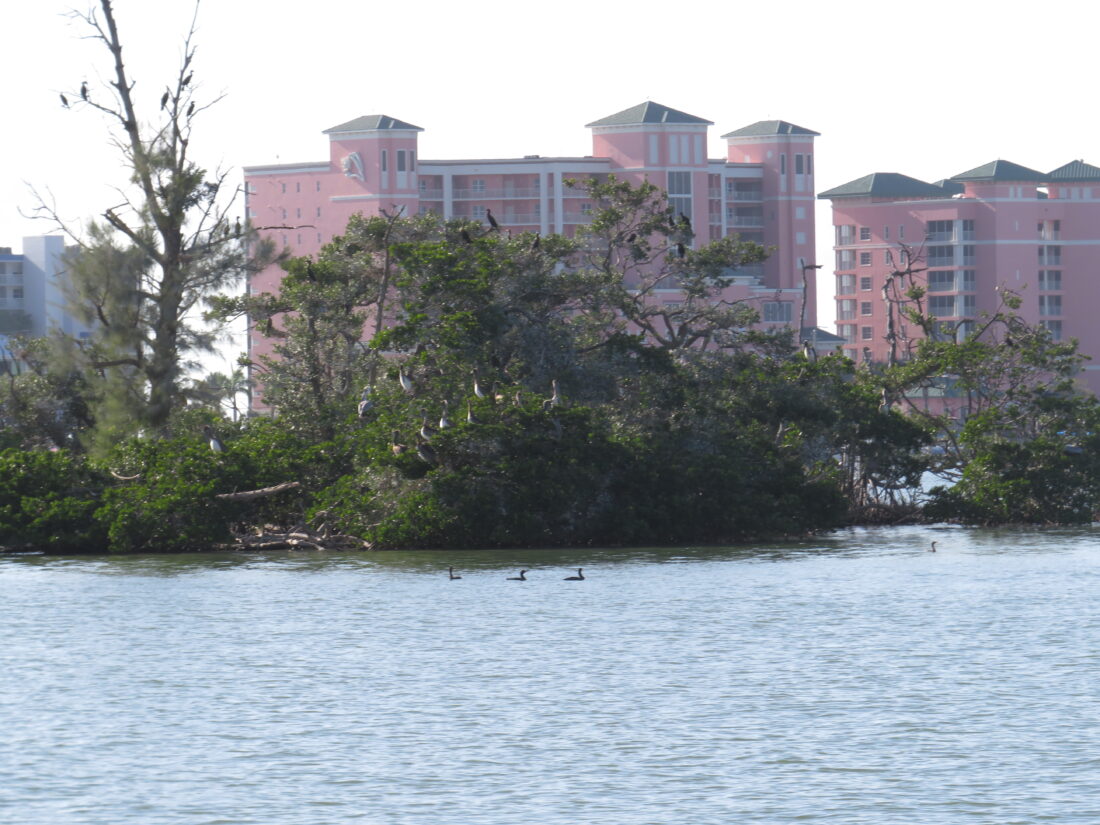
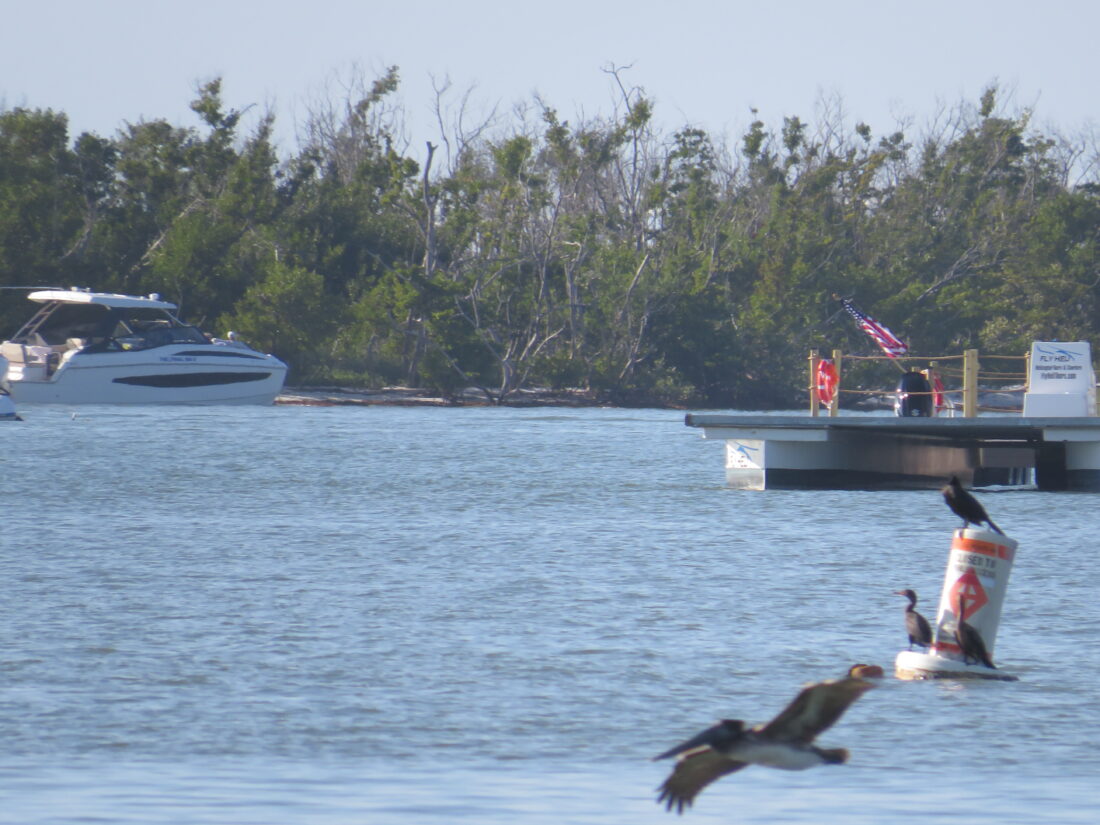
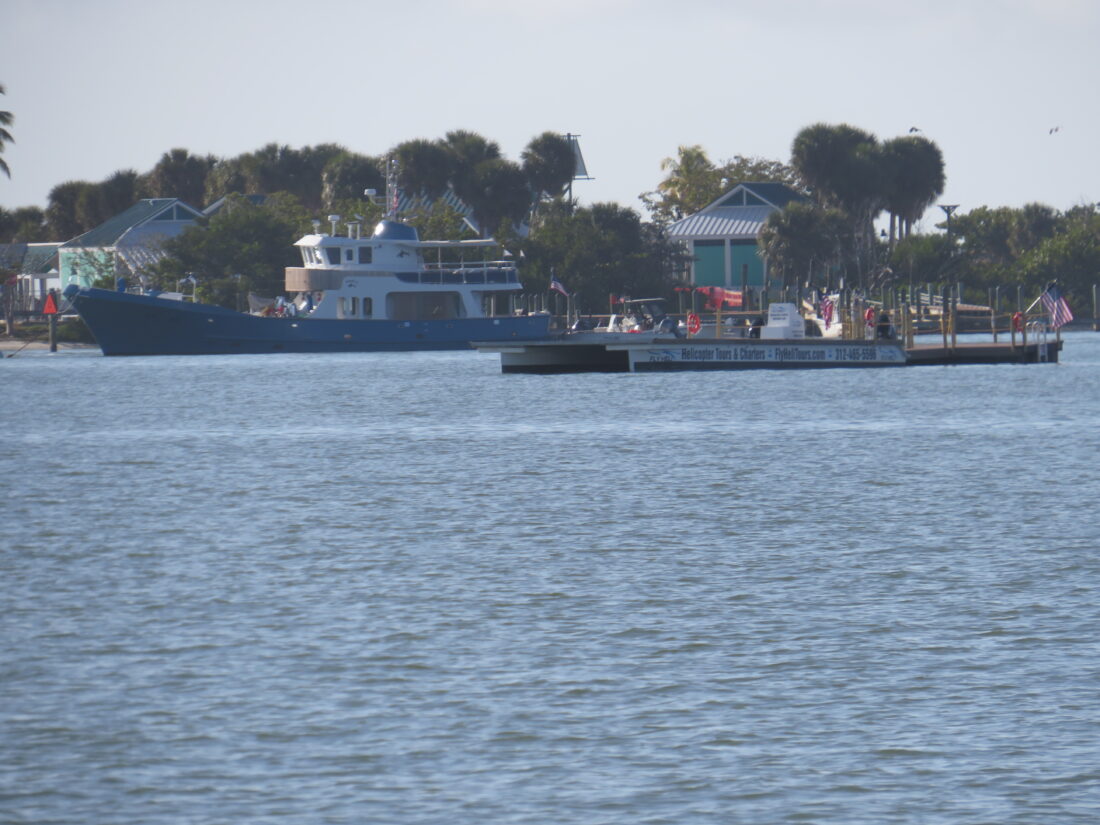
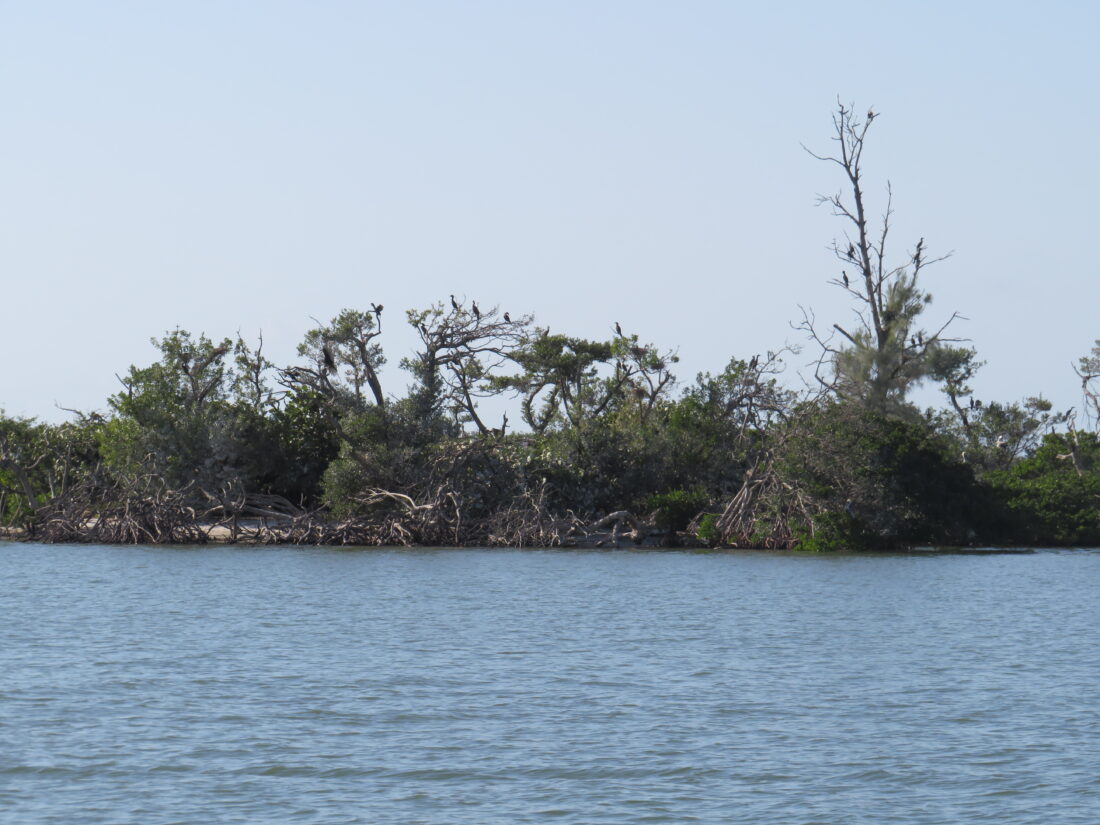
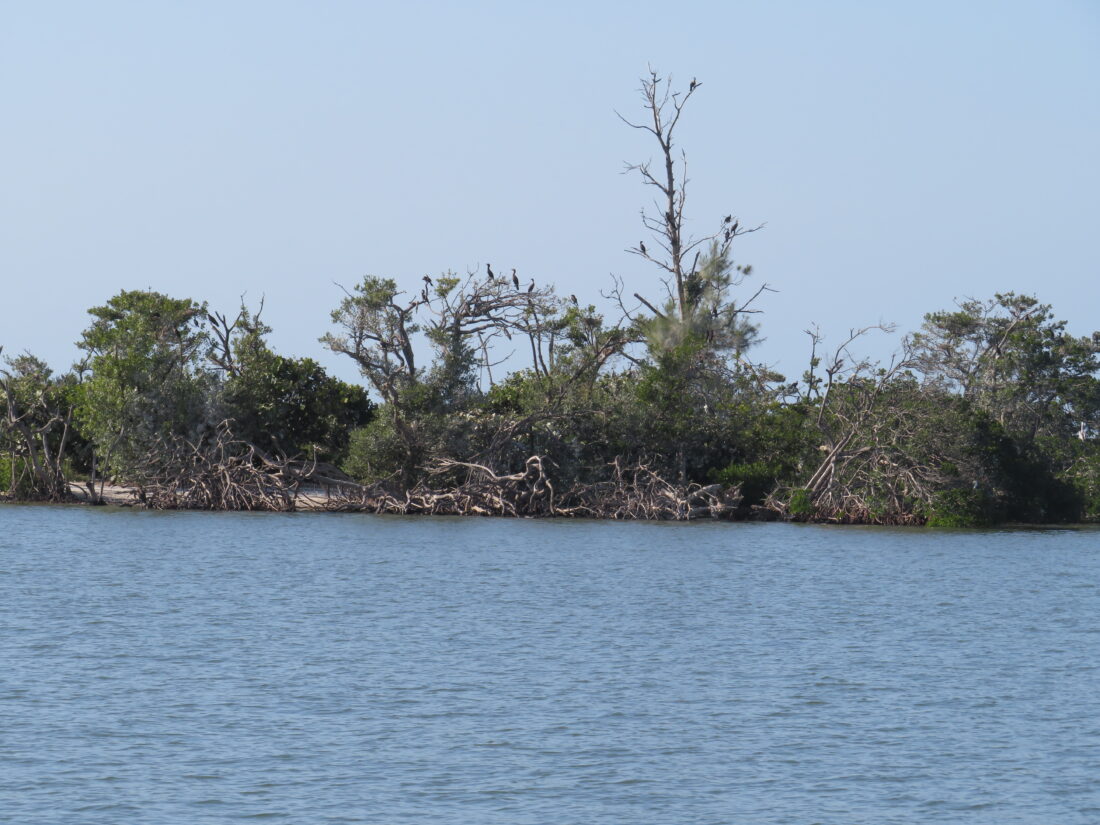
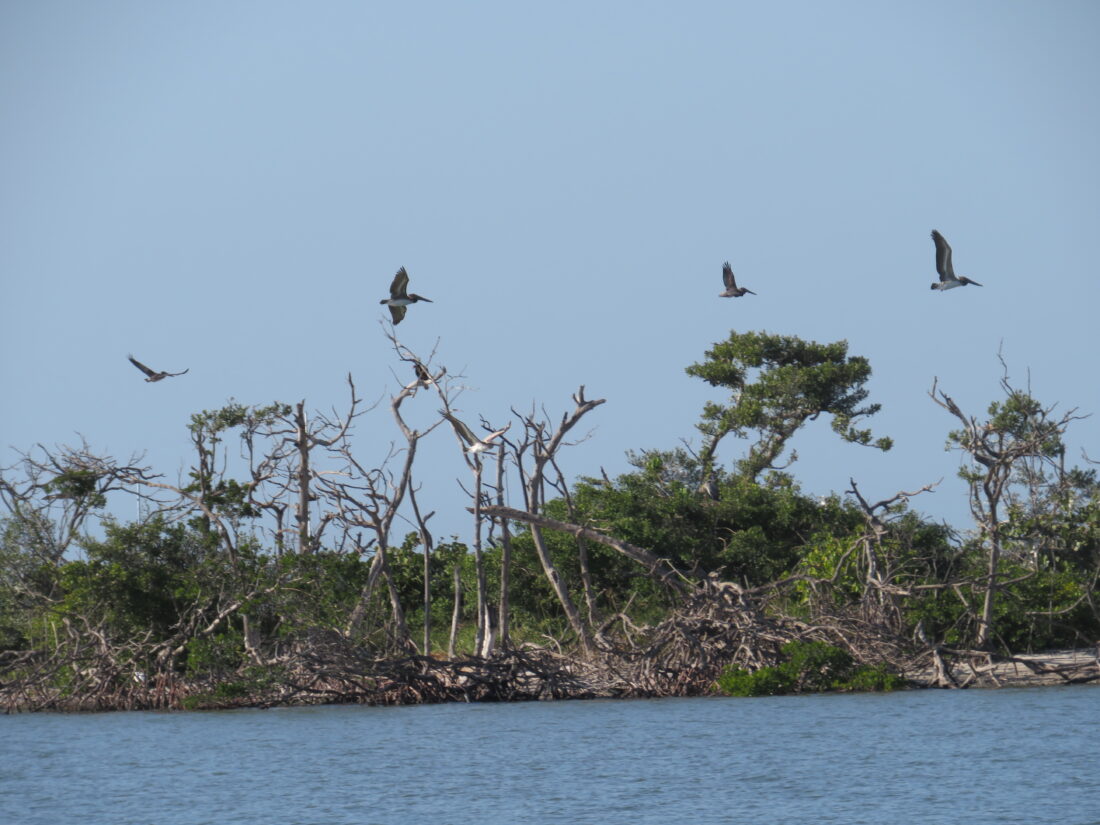
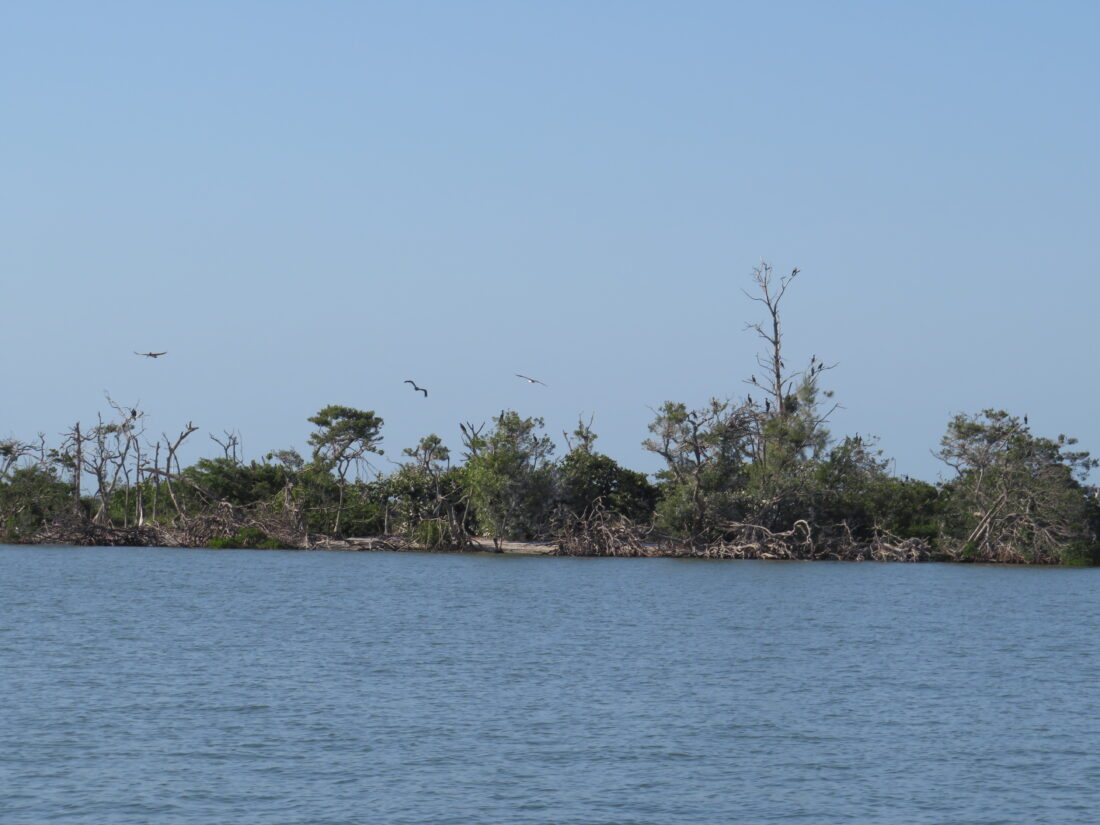
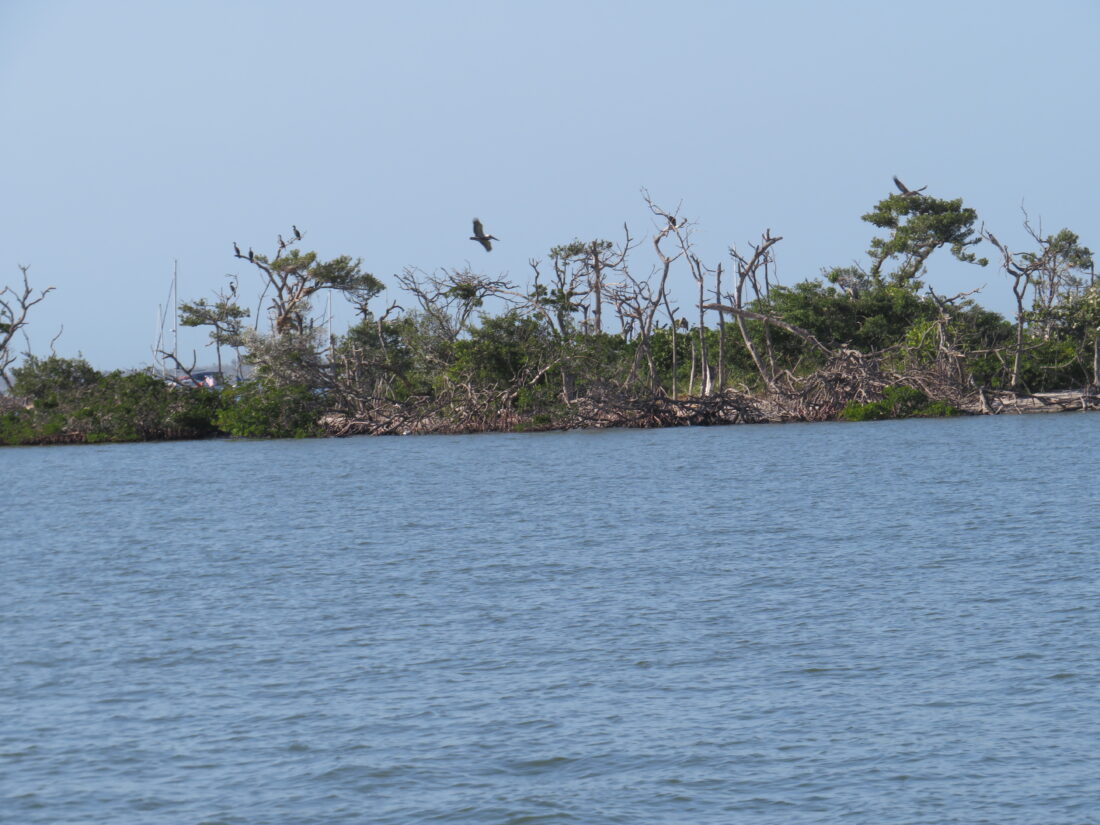
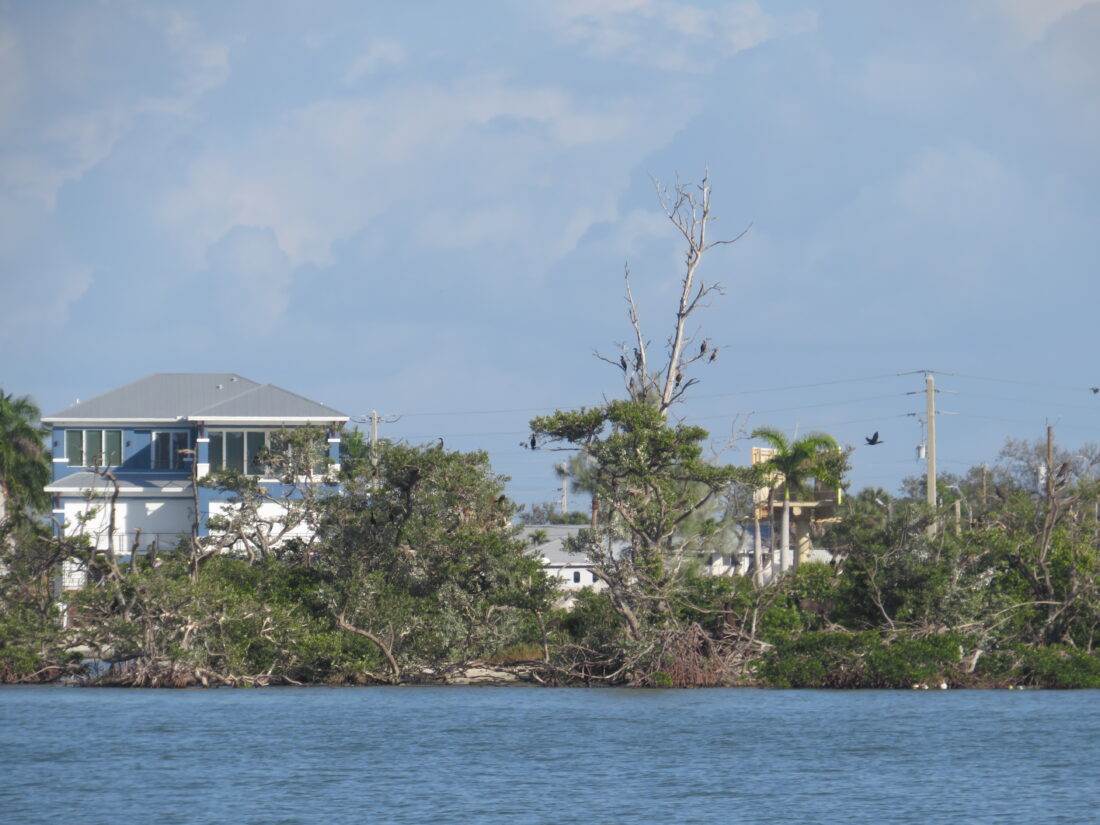
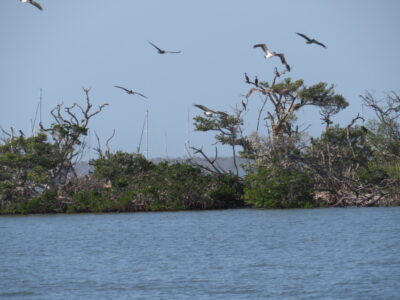
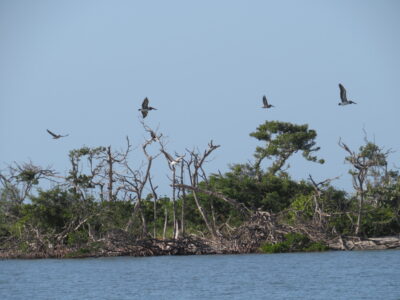
Fly Heli Tours has anchored a barge in the middle of San Carlos Bay and Matanzas Pass to use for a helicopter to take off and land, not far from Matanzas Island, a state-designated critical wildlife area and bird rookery. Photo by Nathan Mayberg
8 / 95
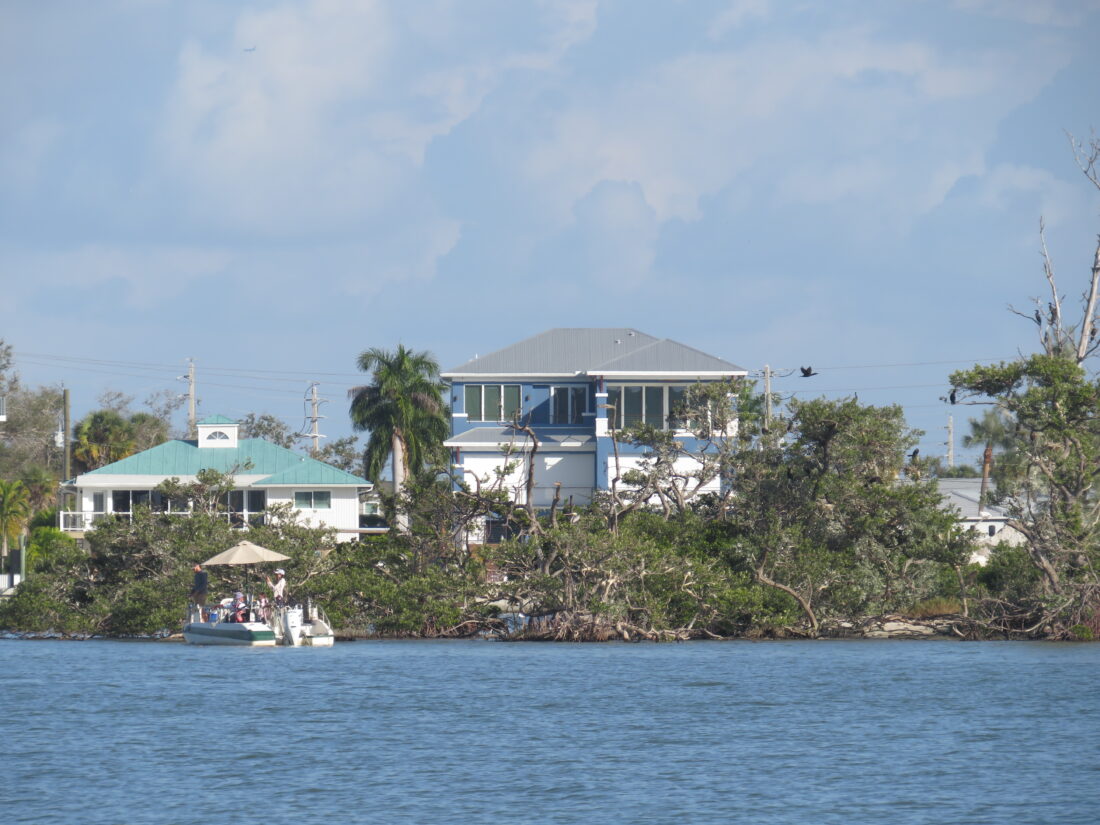
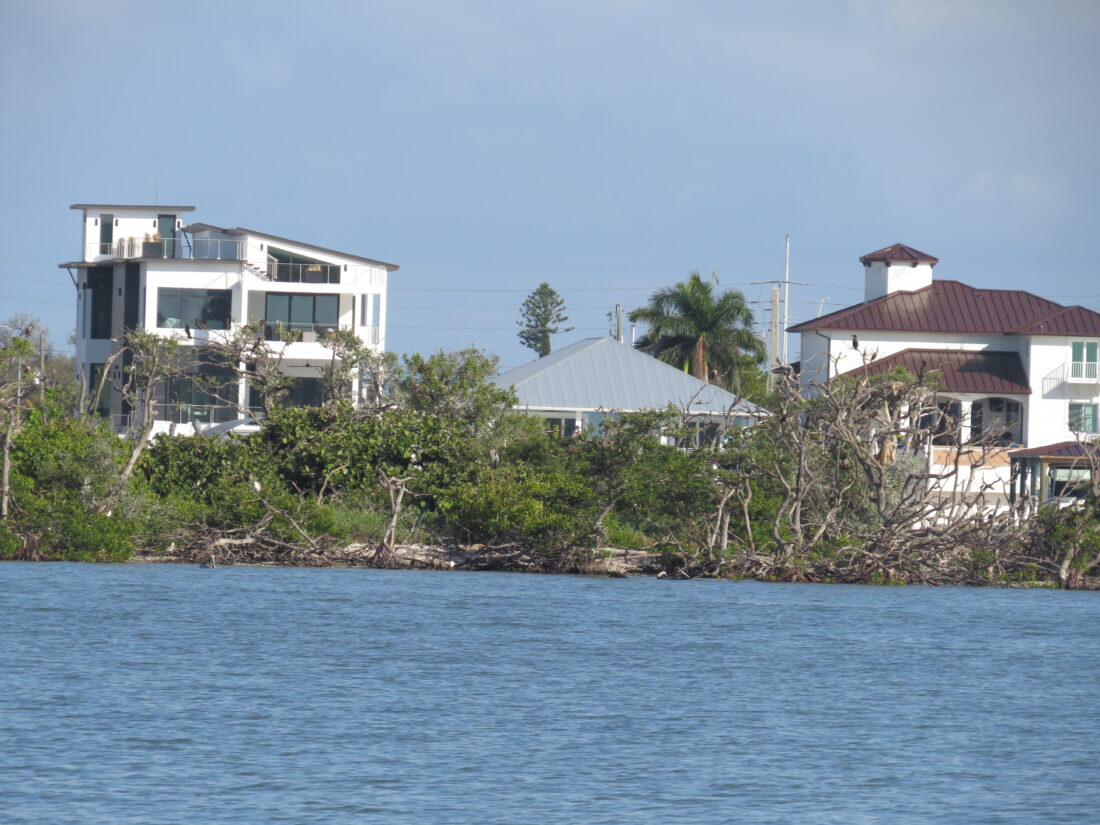
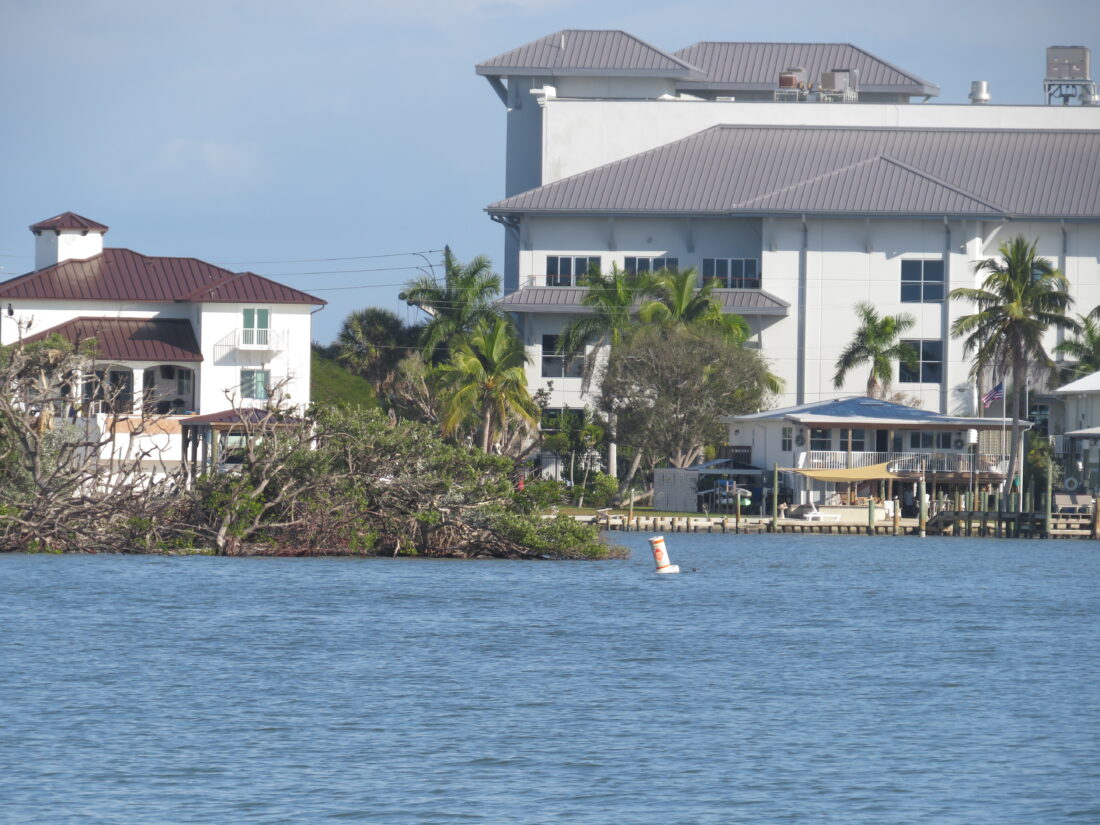
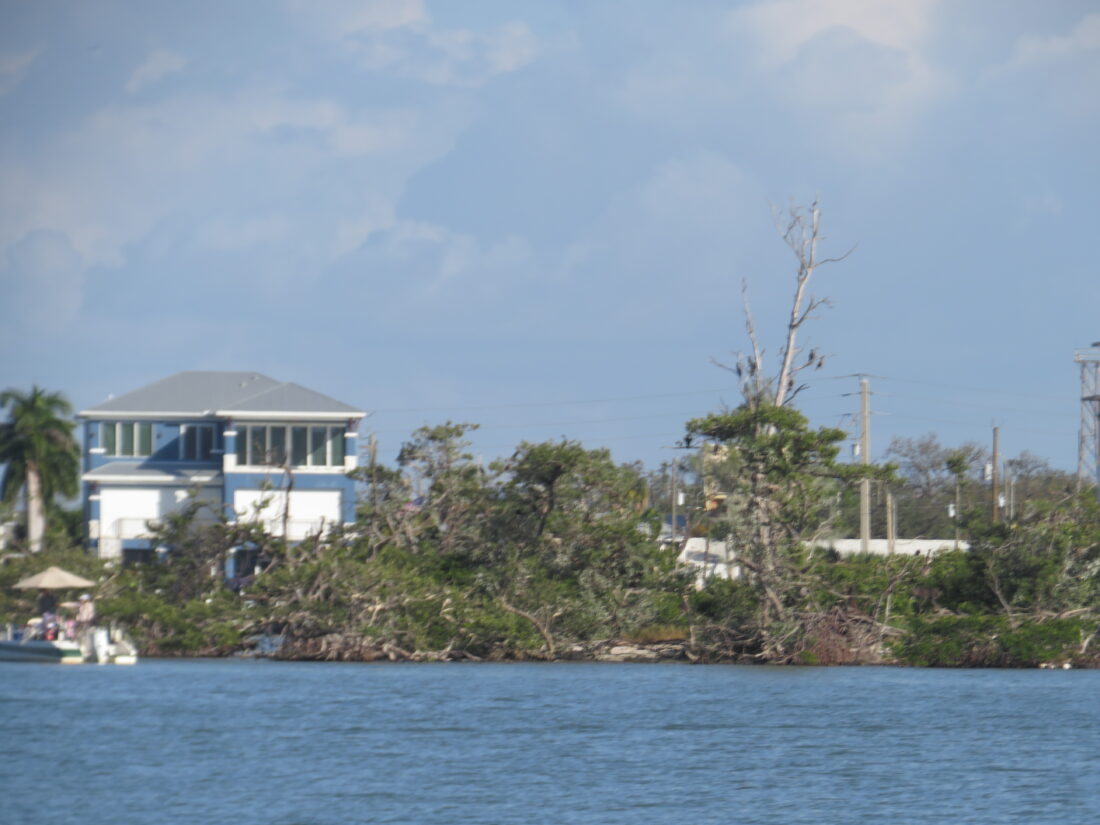
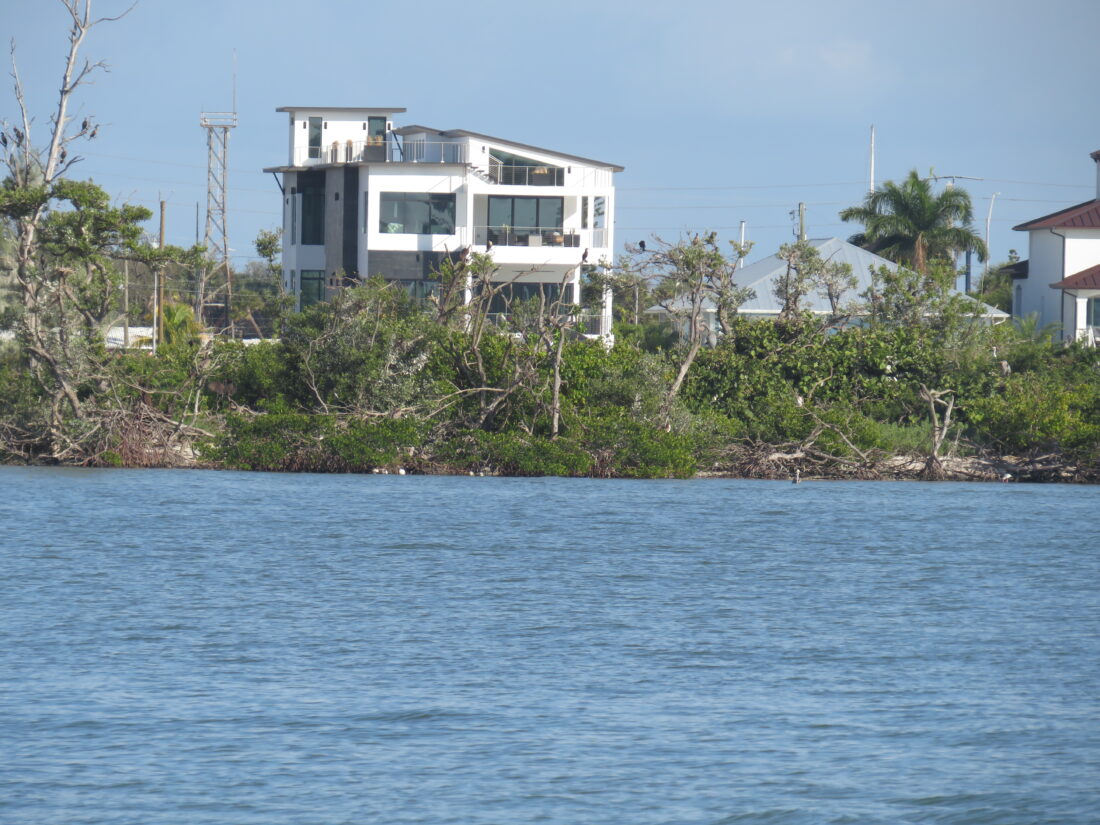
Waterfront homes destroyed by Hurricane Ian are being rebuilt on Fort Myers Beach near where a helicopter has been seen flying after taking off from a barge in the bay. Photo by Nathan Mayberg
9 / 95
Fly Heli Tours has anchored a barge in the middle of San Carlos Bay and Matanzas Pass to use for a helicopter to take off and land, not far from Matanzas Island, a state-designated critical wildlife area and bird rookery. Photo by Nathan Mayberg
10 / 95
Fly Heli Tours has anchored a barge in the middle of San Carlos Bay and Matanzas Pass to use for a helicopter to take off and land, in close proximity to Matanzas Island, a state-designated critical wildlife area and bird rookery. Photo by Nathan Mayberg
11 / 95
Fly Heli Tours has anchored a barge in the middle of San Carlos Bay and Matanzas Pass to use for a helicopter to take off and land, in close proximity to the Pink Shell Beach Resort on Fort Myers Beach. Photo by Nathan Mayberg
12 / 95
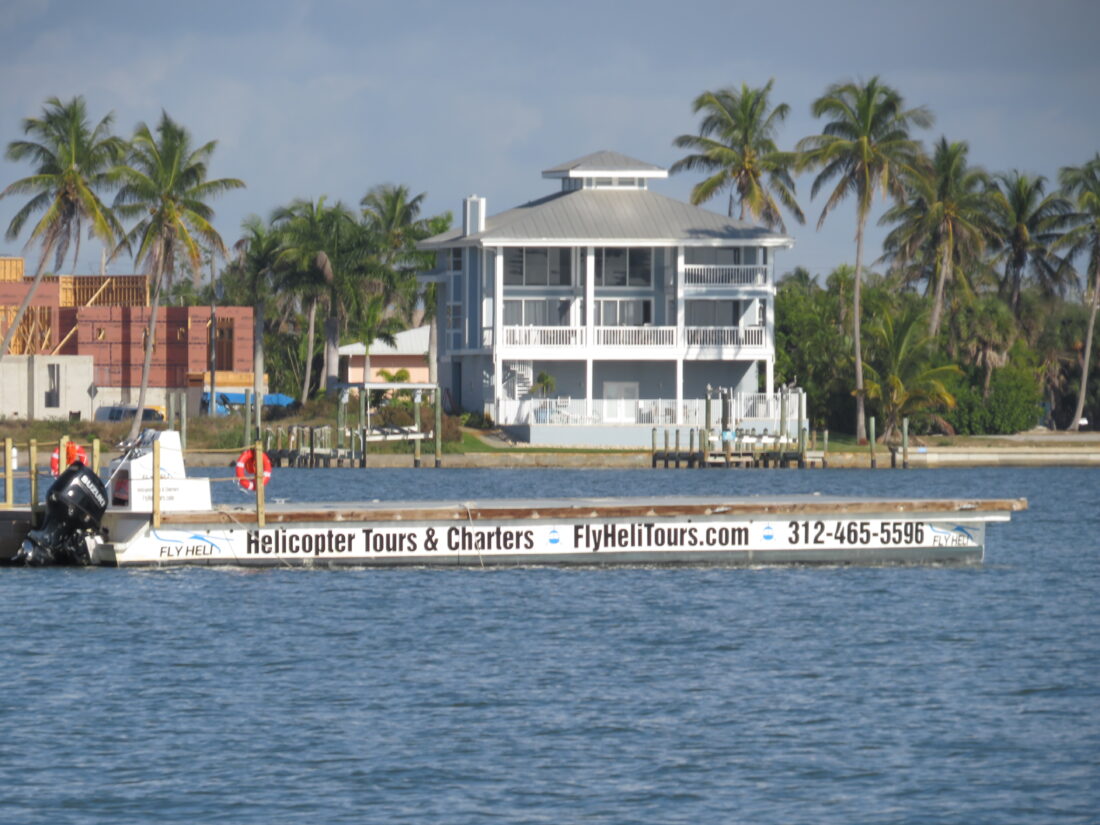
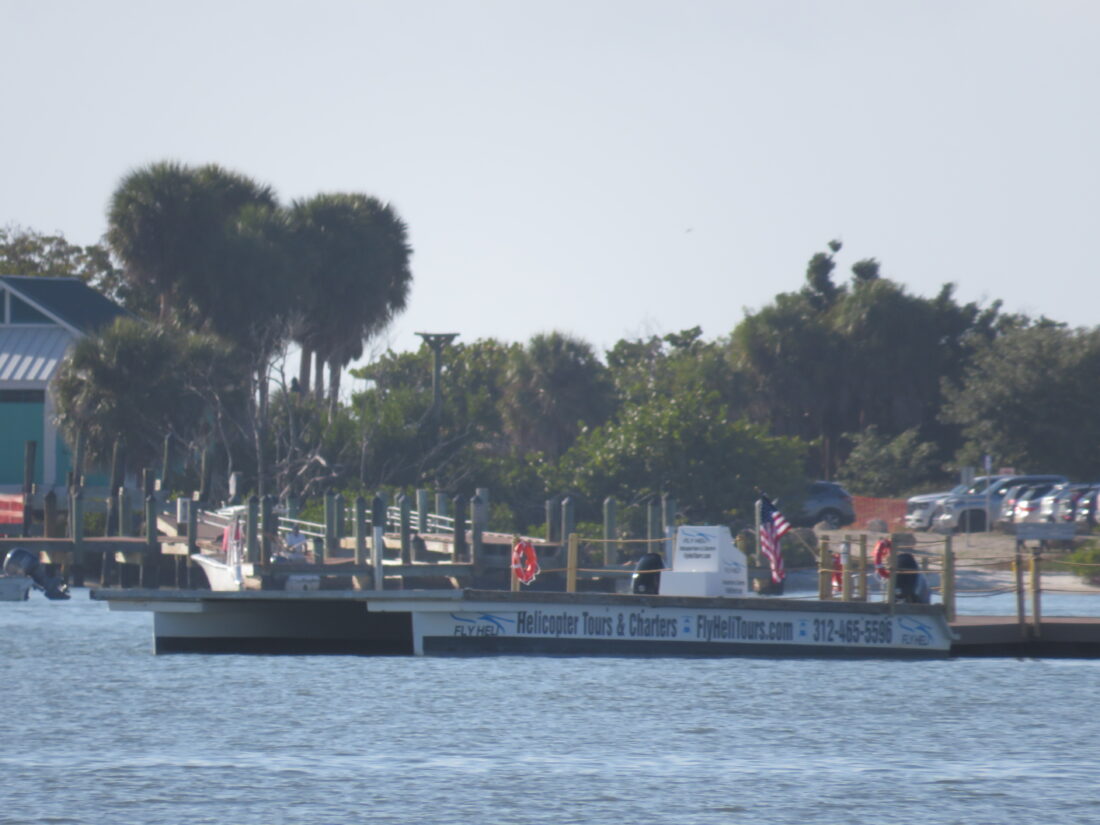
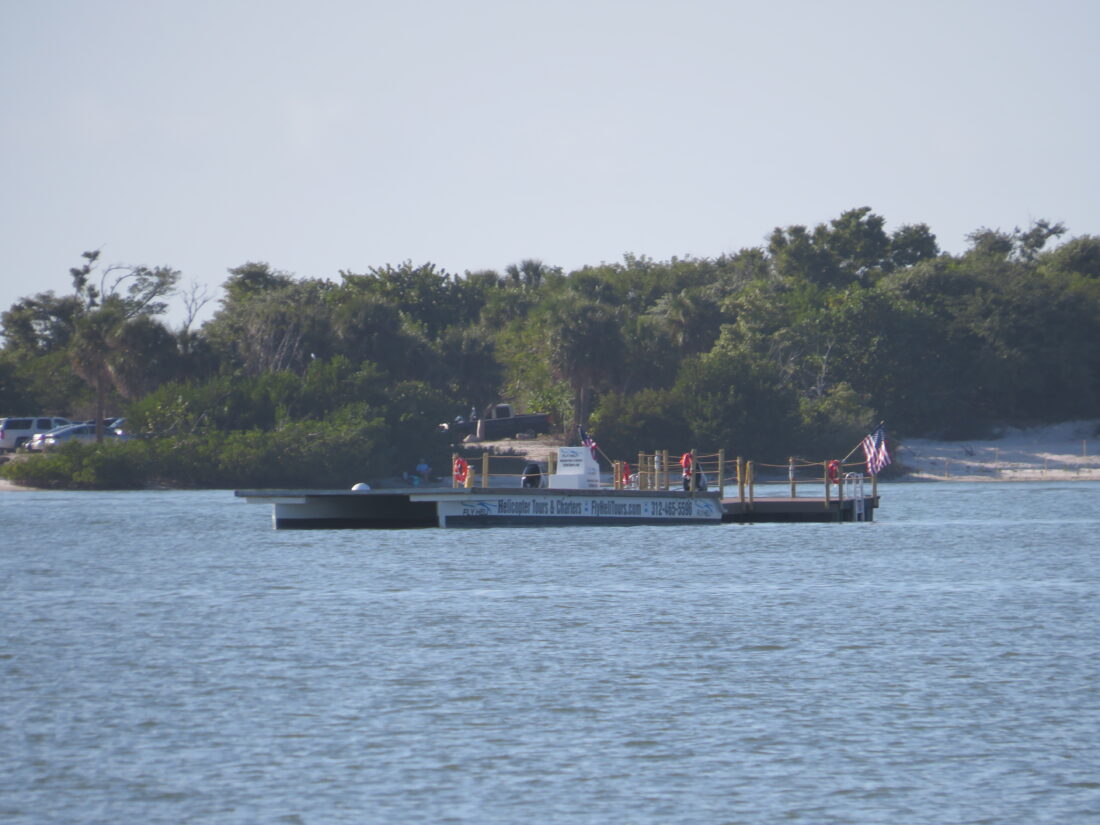
Fly Heli Tours has anchored a barge in the middle of San Carlos Bay and Matanzas Pass to use for a helicopter to take off and land, in close proximity to Bowditch Point Regional Park on Fort Myers Beach. Photo by Nathan Mayberg
13 / 95
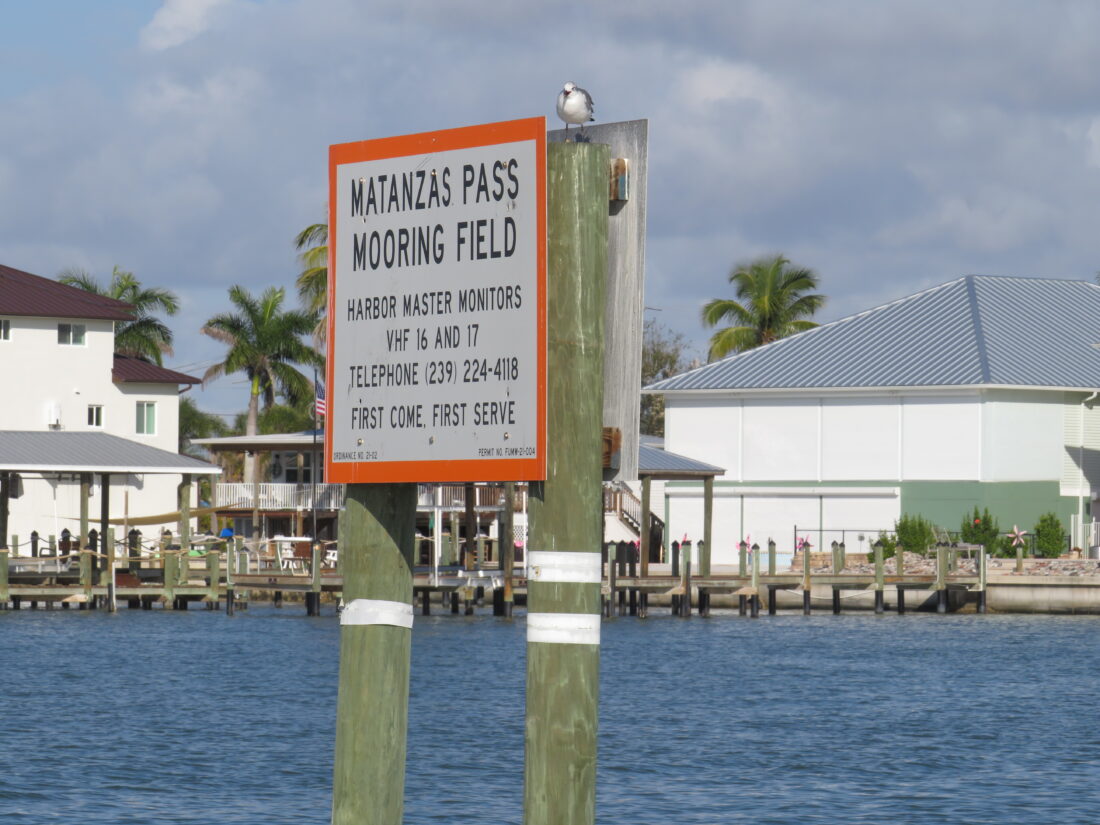
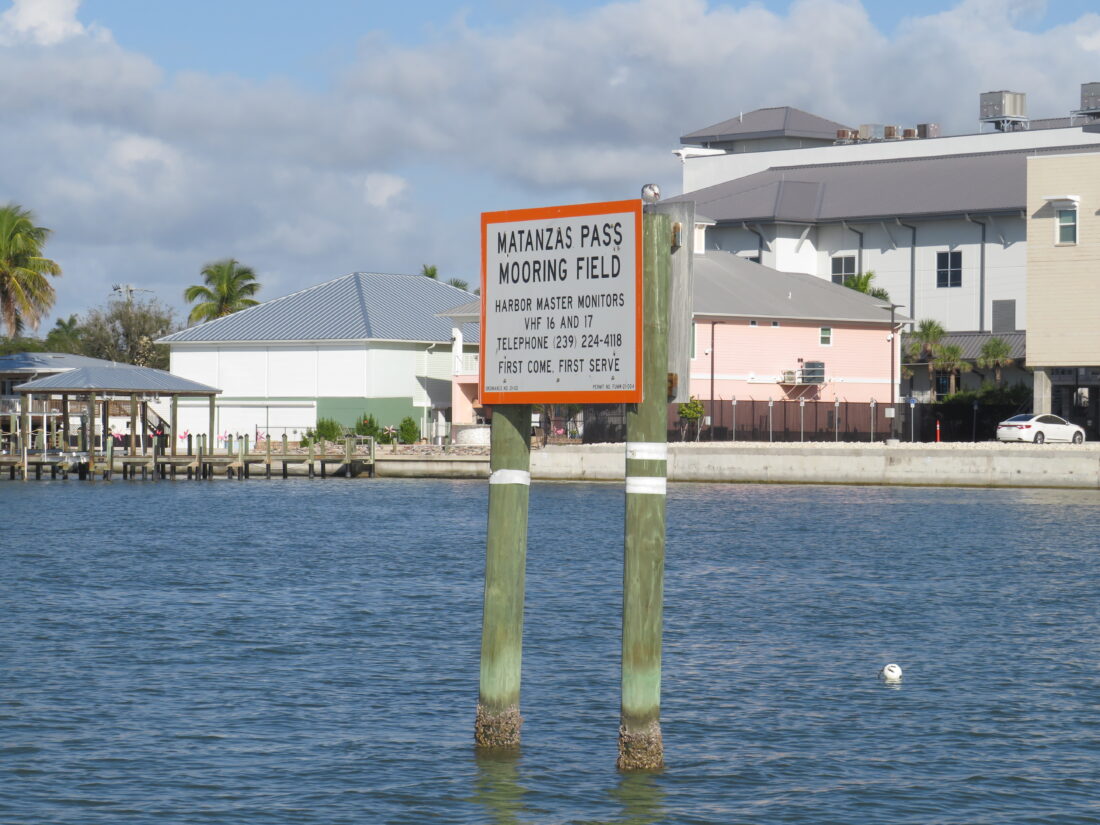
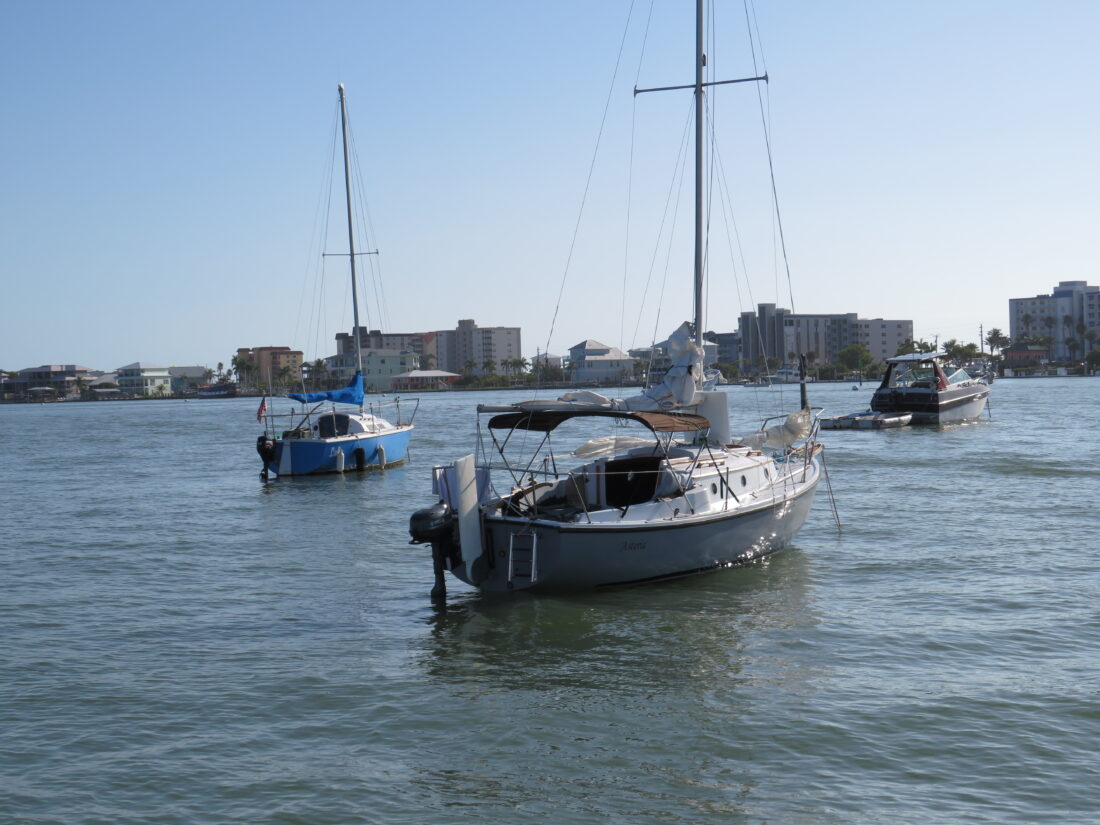
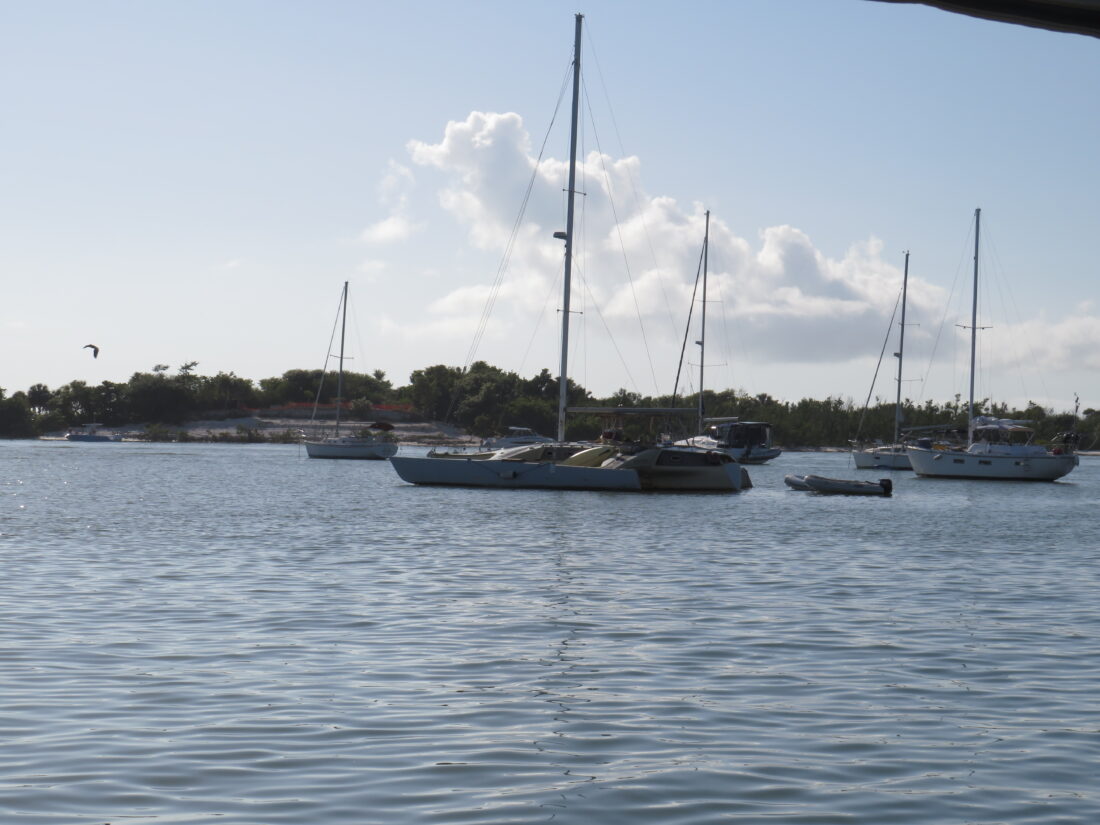
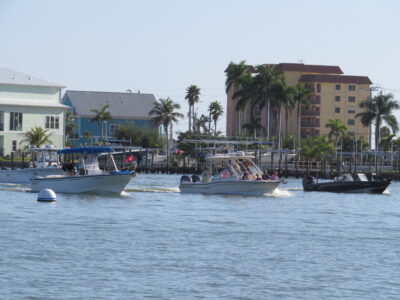
Fly Heli Tours has anchored a barge in the bay not far from where the Town of Fort Myers Beach Mooring Field is located. The town currently has 82 mooring balls in service. Photo by Nathan Mayberg
14 / 95
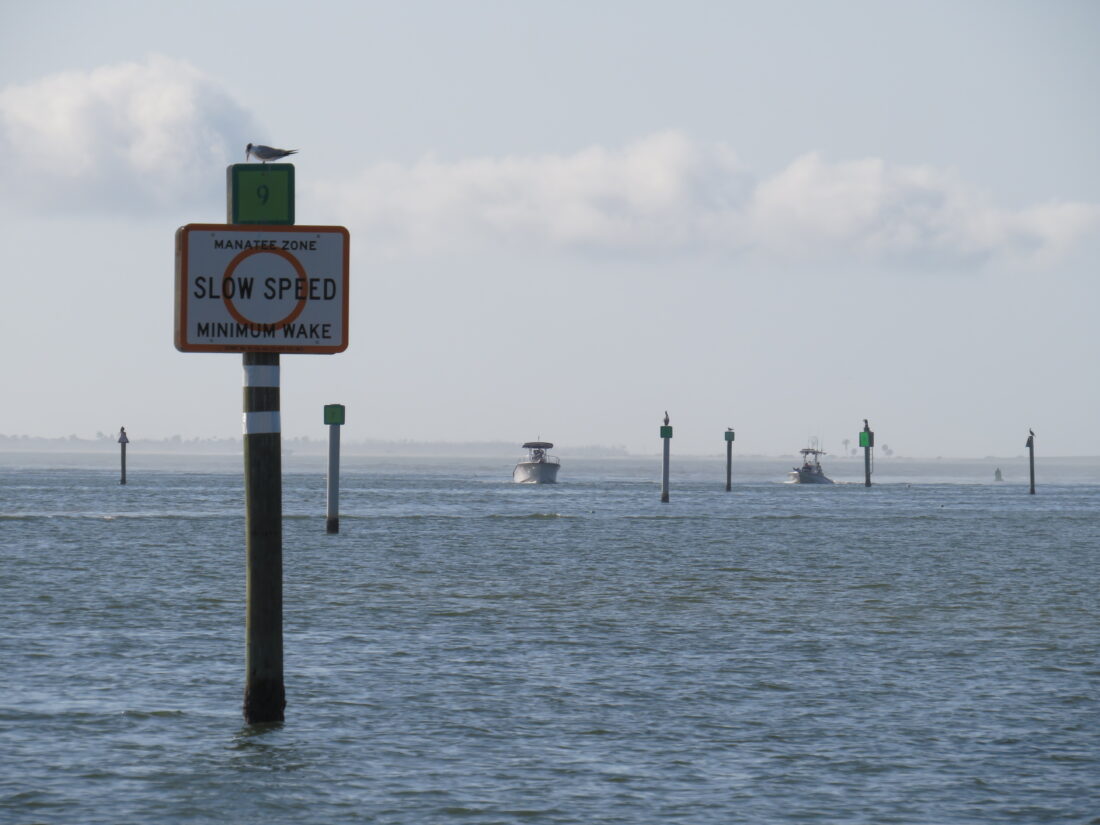
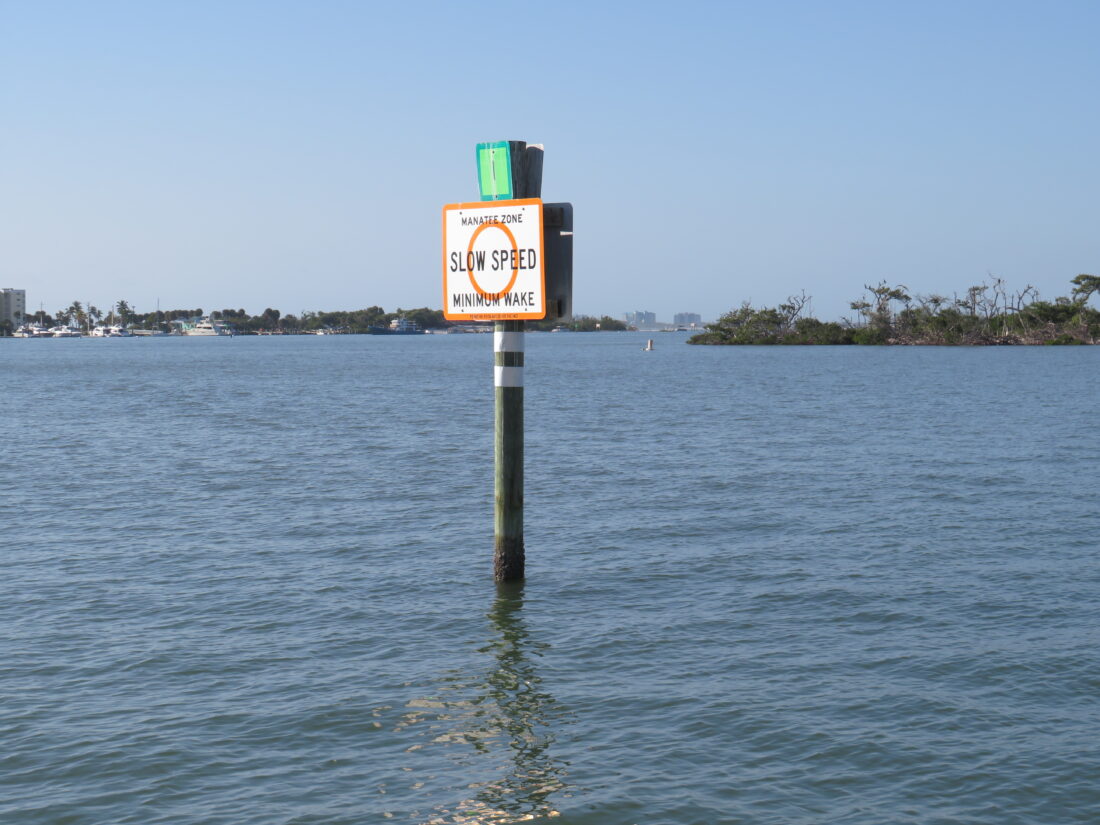
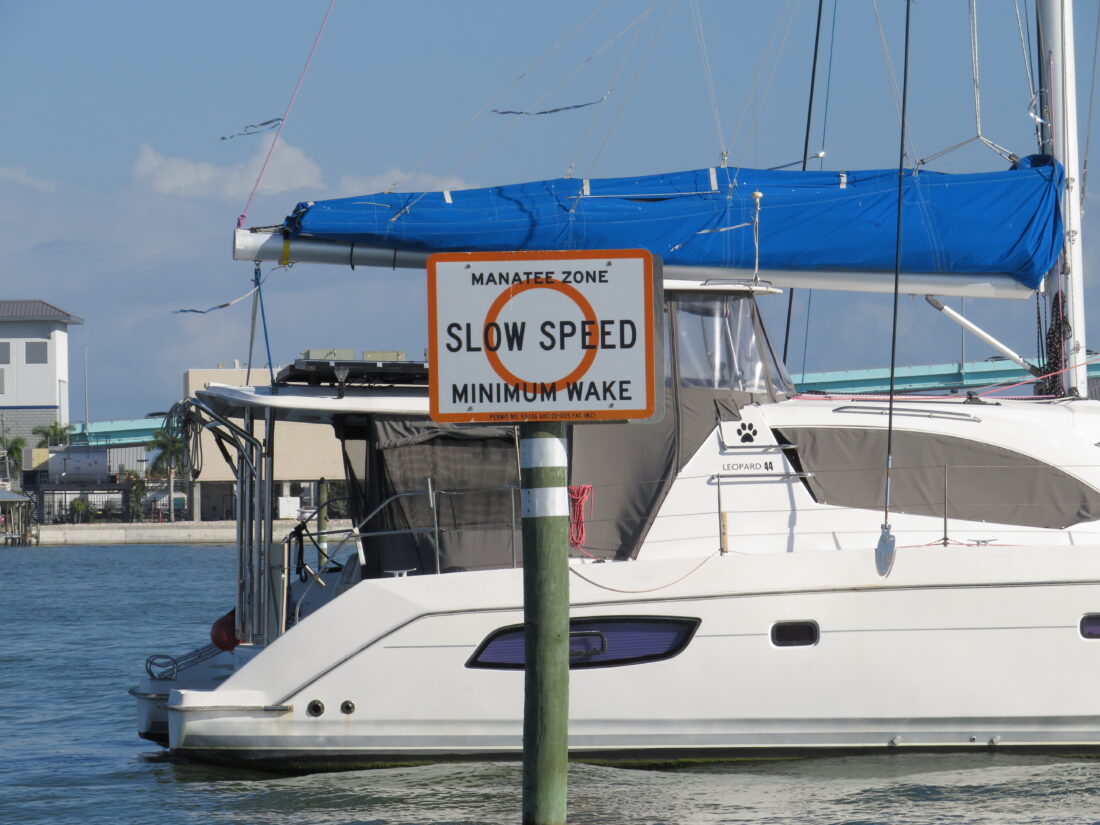
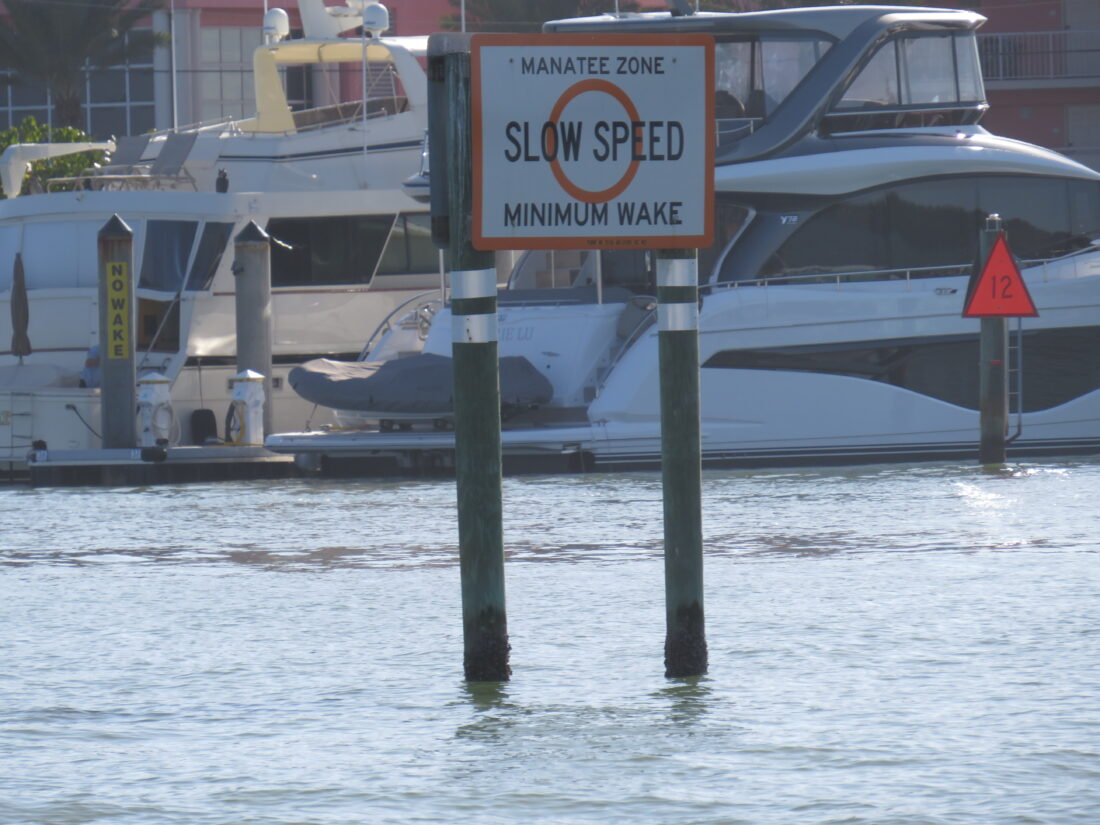
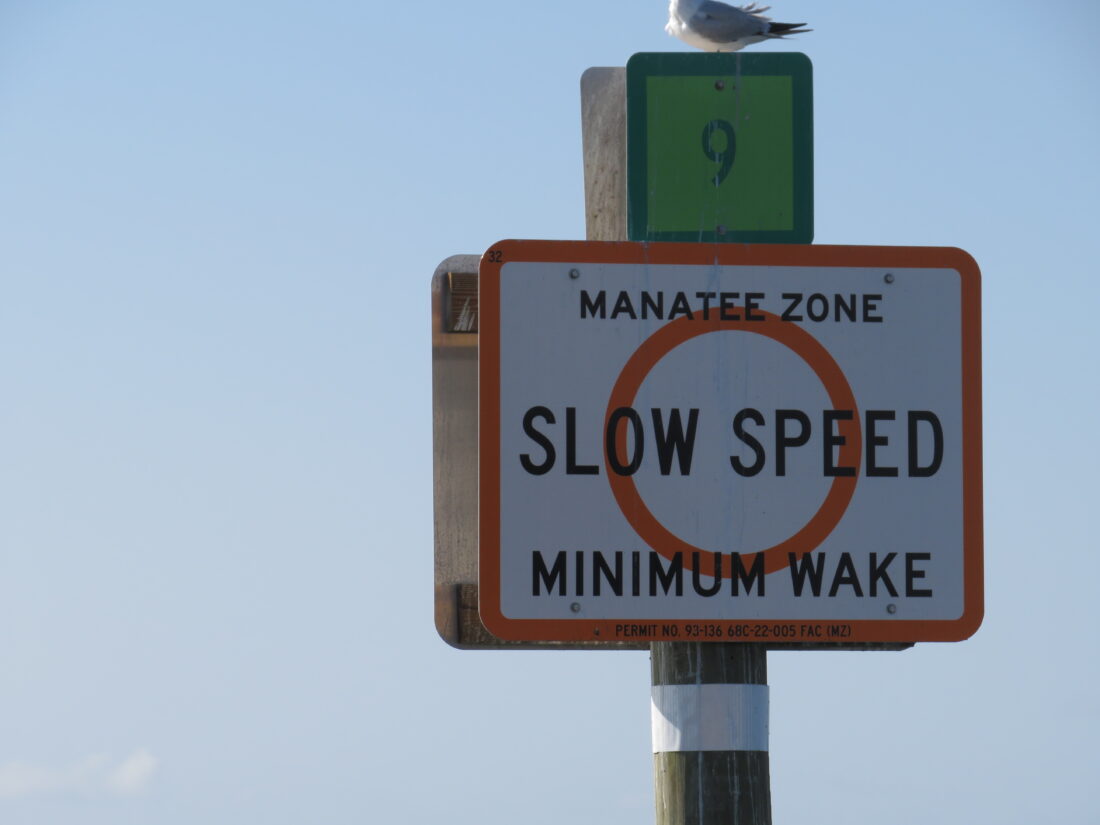
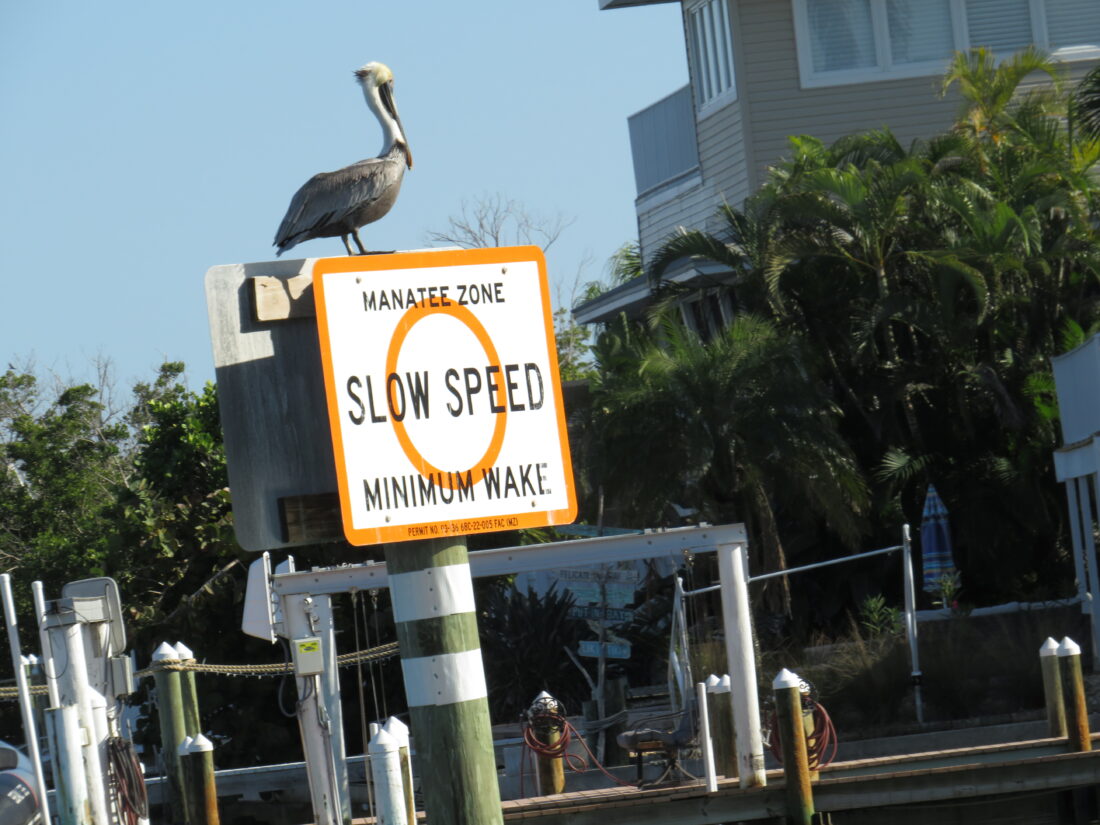
The area in San Carlos Bay where a helicopter tour company has anchored a barge, is a manatee zone. Photo by Nathan Mayberg
15 / 95
Fly Heli Tours has anchored a barge in the middle of San Carlos Bay and Matanzas Pass to use for a helicopter to take off and land, in close proximity to Bowditch Point Regional Park on Fort Myers Beach. Photo by Nathan Mayberg
16 / 95
Fly Heli Tours has anchored a barge in the middle of San Carlos Bay and Matanzas Pass to use for a helicopter to take off and land, in close proximity to Bowditch Point Regional Park on Fort Myers Beach. Photo by Nathan Mayberg
17 / 95
A helicopter tour company has been landing and taking off helicopters from a barge in the bay as part of training flights for plans the company has to conduct tours over Fort Myers Beach. Photo by Nathan Mayberg
18 / 95
Fly Heli Tours has anchored a barge in the middle of San Carlos Bay and Matanzas Pass to use for a helicopter to take off and land, in close proximity to the Pink Shell Beach Resort on Fort Myers Beach. Photo by Nathan Mayberg
19 / 95
Fly Heli Tours has anchored a barge in the middle of San Carlos Bay and Matanzas Pass to use for a helicopter to take off and land, not far from Matanzas Island, a state-designated critical wildlife area and bird rookery. Photo by Nathan Mayberg
20 / 95
Fly Heli Tours has anchored a barge in the middle of San Carlos Bay and Matanzas Pass to use for a helicopter to take off and land, in close proximity to the Pink Shell Beach Resort on Fort Myers Beach. Photo by Nathan Mayberg
21 / 95
Fly Heli Tours has anchored a barge in the middle of San Carlos Bay and Matanzas Pass to use for a helicopter to take off and land, in close proximity to the Pink Shell Beach Resort on Fort Myers Beach. Photo by Nathan Mayberg
22 / 95
Fly Heli Tours has anchored a barge in the middle of San Carlos Bay and Matanzas Pass to use for a helicopter to take off and land, in close proximity to the Pink Shell Beach Resort on Fort Myers Beach. Photo by Nathan Mayberg
23 / 95
Fly Heli Tours has anchored a barge in the middle of San Carlos Bay and Matanzas Pass to use for a helicopter to take off and land, in close proximity to Bowditch Point Regional Park on Fort Myers Beach. Photo by Nathan Mayberg
24 / 95
Fly Heli Tours has anchored a barge in the middle of San Carlos Bay and Matanzas Pass to use for a helicopter to take off and land, in close proximity to Matanzas Island, a state-designated critical wildlife area and bird rookery. Photo by Nathan Mayberg
25 / 95
Fly Heli Tours has anchored a barge in the middle of San Carlos Bay and Matanzas Pass to use for a helicopter to take off and land, in close proximity to Bowditch Point Regional Park on Fort Myers Beach. Photo by Nathan Mayberg
26 / 95
Fly Heli Tours has anchored a barge in the middle of San Carlos Bay and Matanzas Pass to use for a helicopter to take off and land, in close proximity to Matanzas Island, a state-designated critical wildlife area and bird rookery. Photo by Nathan Mayberg
27 / 95
A helicopter belonging to Fly Heli Tours conducts training exercises on the bay near Bowditch Point Regional Park over Fort Myers Beach. Photo provided
28 / 95
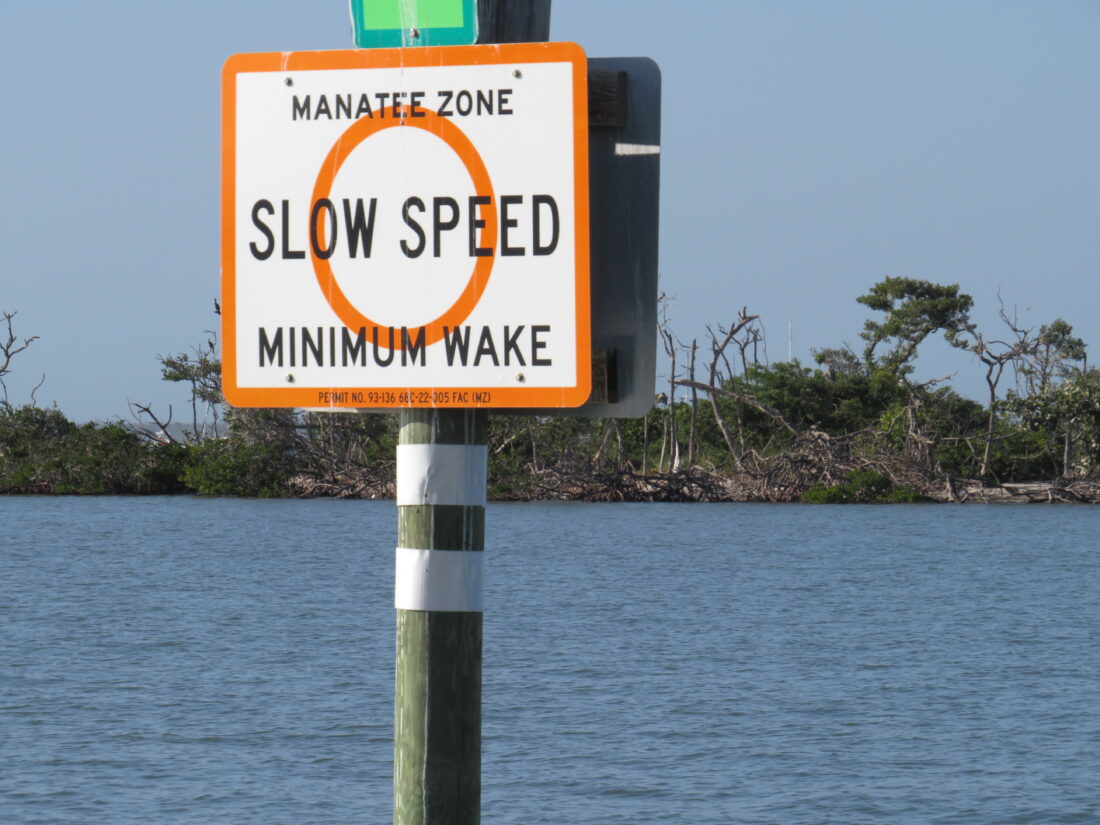
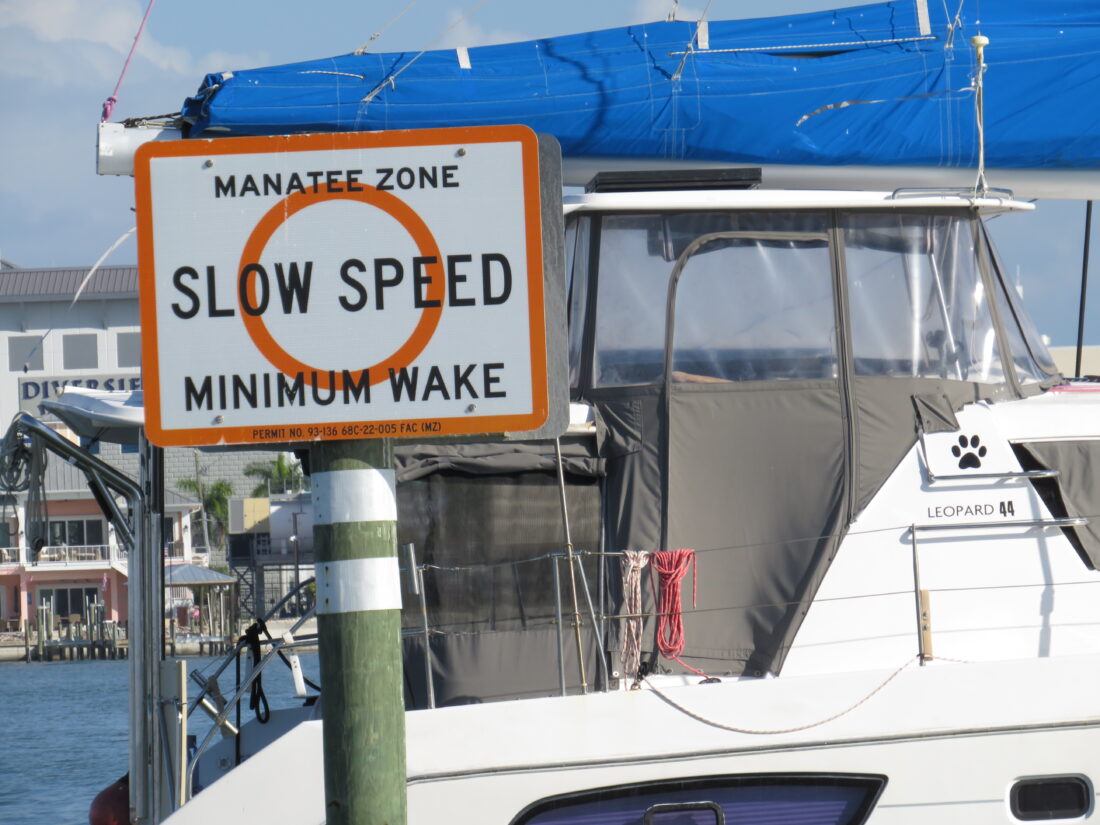
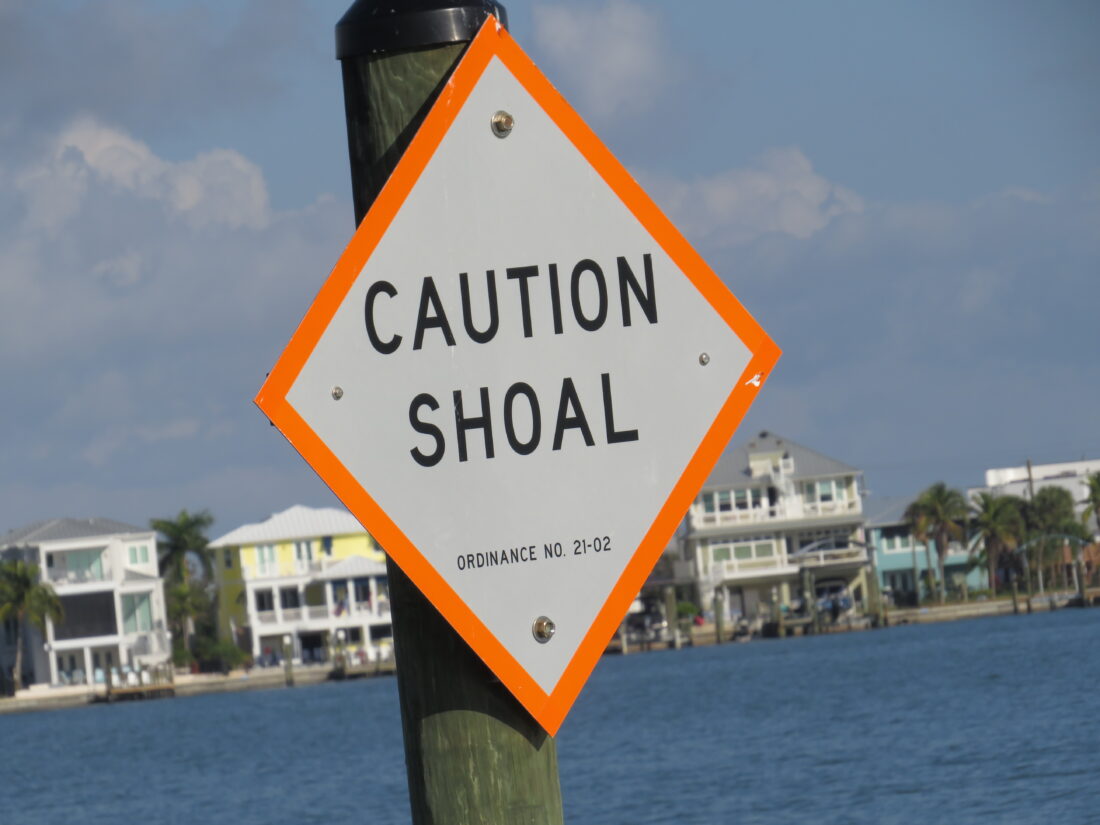
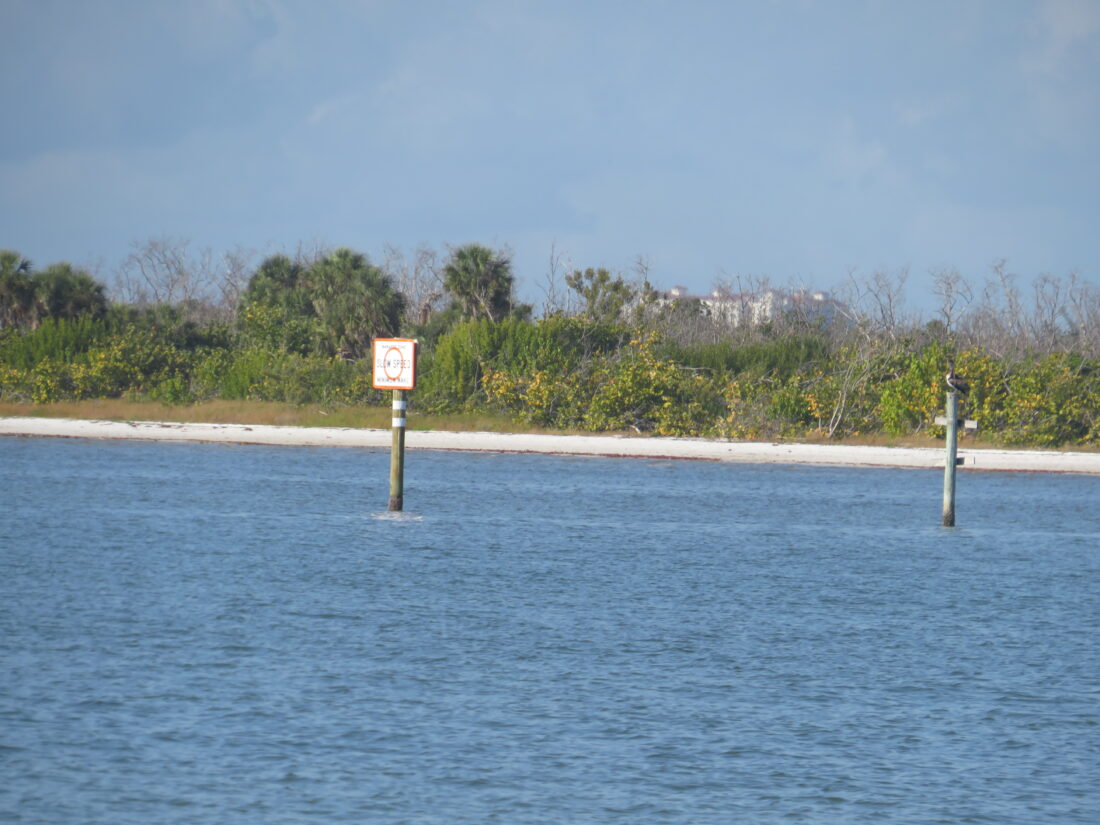
The area along San Carlos Bay and Matanzas Pass where Fly Heli Tours has placed a barge to use for landings and takeoffs for their helicopter tours, is a manatee speed zone which limits boat traffic to minimum wake. Photo by Nathan Mayberg
29 / 95
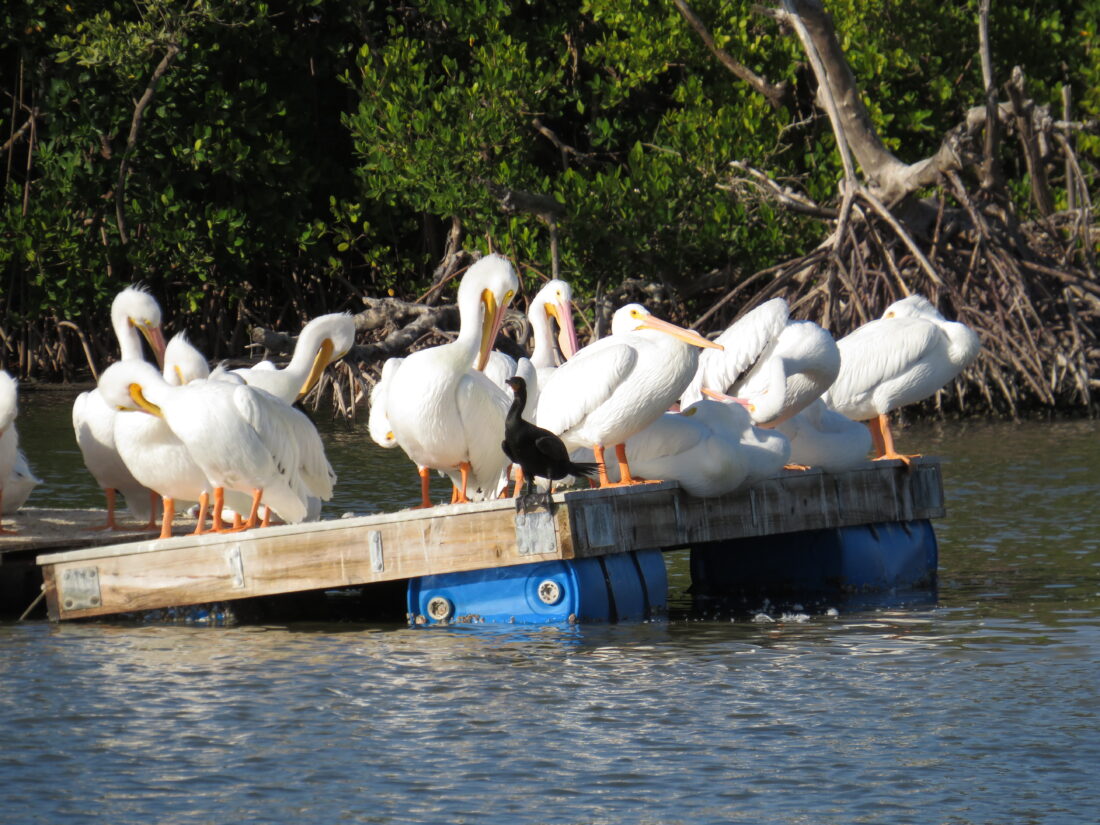
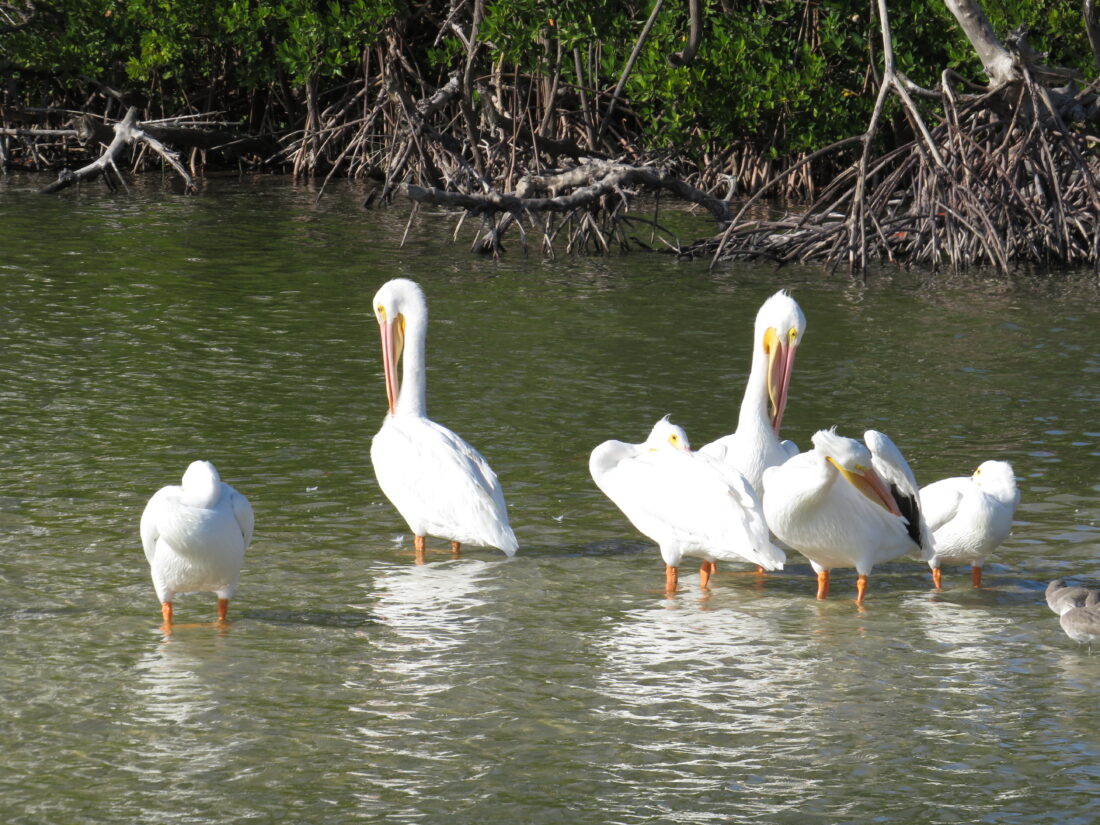
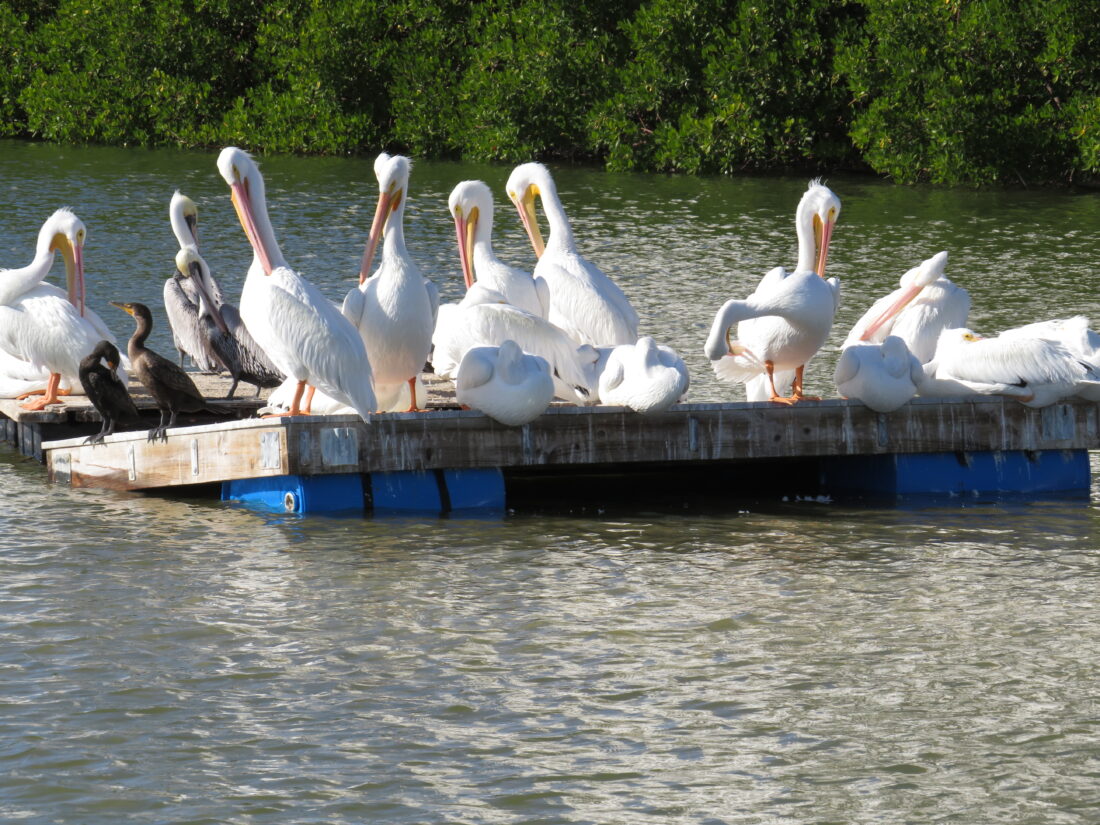
A group of white pelicans on San Carlos Bay. Photo by Nathan Mayberg
30 / 95
Fly Heli Tours has anchored a barge in the middle of San Carlos Bay and Matanzas Pass to use for a helicopter to take off and land, in close proximity to Matanzas Island, a state-designated critical wildlife area and bird rookery. Photo by Nathan Mayberg
31 / 95
Fly Heli Tours has anchored a barge in the middle of San Carlos Bay and Matanzas Pass to use for a helicopter to take off and land, in close proximity to Matanzas Island, a state-designated critical wildlife area and bird rookery. Photo by Nathan Mayberg
32 / 95
Bunche Beach Preserve, not far from where a helicopter tour company has placed a barge in the bay. Photo by Nathan Mayberg
33 / 95
Fly Heli Tours has anchored a barge in the middle of San Carlos Bay and Matanzas Pass to use for a helicopter to take off and land, in close proximity to Matanzas Island, a state-designated critical wildlife area and bird rookery. Photo by Nathan Mayberg
34 / 95
Fly Heli Tours has anchored a barge in the middle of San Carlos Bay and Matanzas Pass to use for a helicopter to take off and land, in close proximity to Matanzas Island, a state-designated critical wildlife area and bird rookery. Photo by Nathan Mayberg
35 / 95
Fly Heli Tours has anchored a barge in the middle of San Carlos Bay and Matanzas Pass to use for a helicopter to take off and land, in close proximity to Matanzas Island, a state-designated critical wildlife area and bird rookery. Photo by Nathan Mayberg
36 / 95
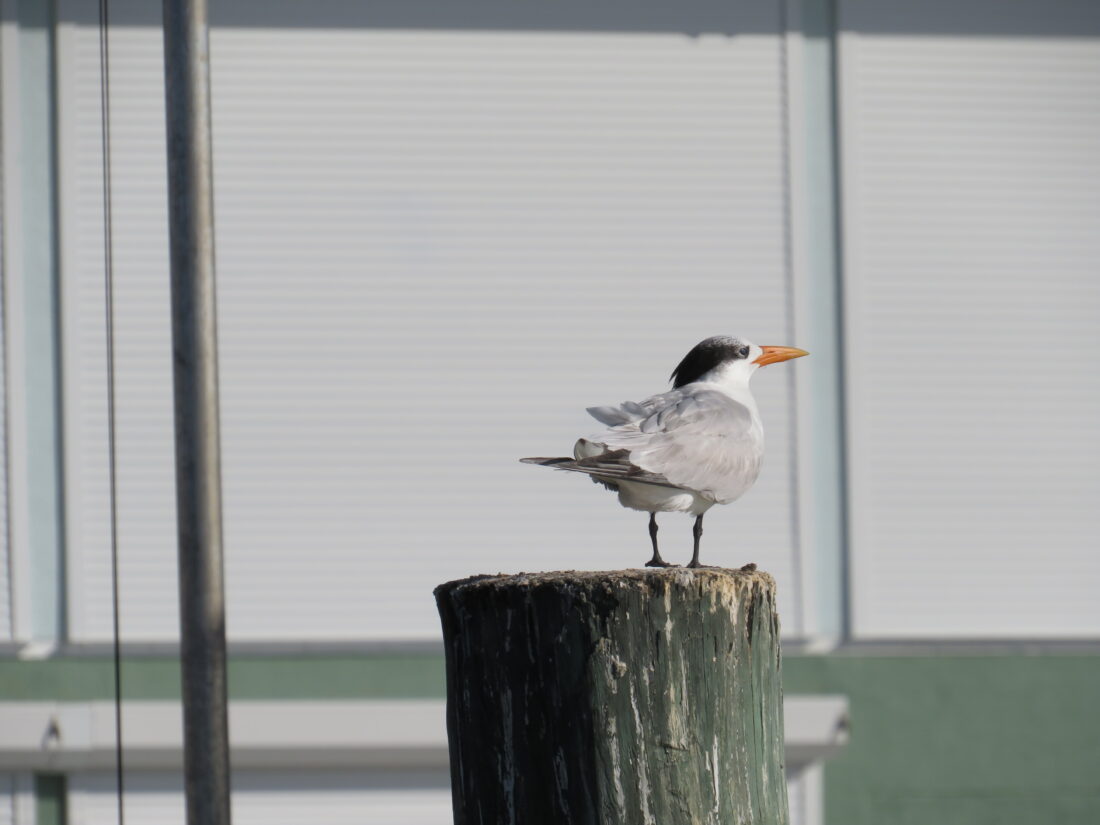
A royal tern on San Carlos Bay. Photo by Nathan Mayberg
37 / 95
Fly Heli Tours has anchored a barge in the middle of San Carlos Bay and Matanzas Pass to use for a helicopter to take off and land, not far from Matanzas Island, a state-designated critical wildlife area and bird rookery. Photo by Nathan Mayberg
38 / 95
Fly Heli Tours has anchored a barge in the middle of San Carlos Bay and Matanzas Pass to use for a helicopter to take off and land, in close proximity to the Pink Shell Beach Resort on Fort Myers Beach. Photo by Nathan Mayberg
39 / 95
Fly Heli Tours has anchored a barge in the middle of San Carlos Bay and Matanzas Pass to use for a helicopter to take off and land, in close proximity to Matanzas Island, a state-designated critical wildlife area and bird rookery. Photo by Nathan Mayberg
40 / 95
The area along San Carlos Bay and Matanzas Pass where Fly Heli Tours has placed a barge to use for landings and takeoffs for their helicopter tours, is a manatee speed zone which limits boat traffic to minimum wake. Photo by Nathan Mayberg
41 / 95
Fly Heli Tours has anchored a barge in the middle of San Carlos Bay and Matanzas Pass to use for a helicopter to take off and land, in close proximity to Matanzas Island, a state-designated critical wildlife area and bird rookery. Photo by Nathan Mayberg
42 / 95
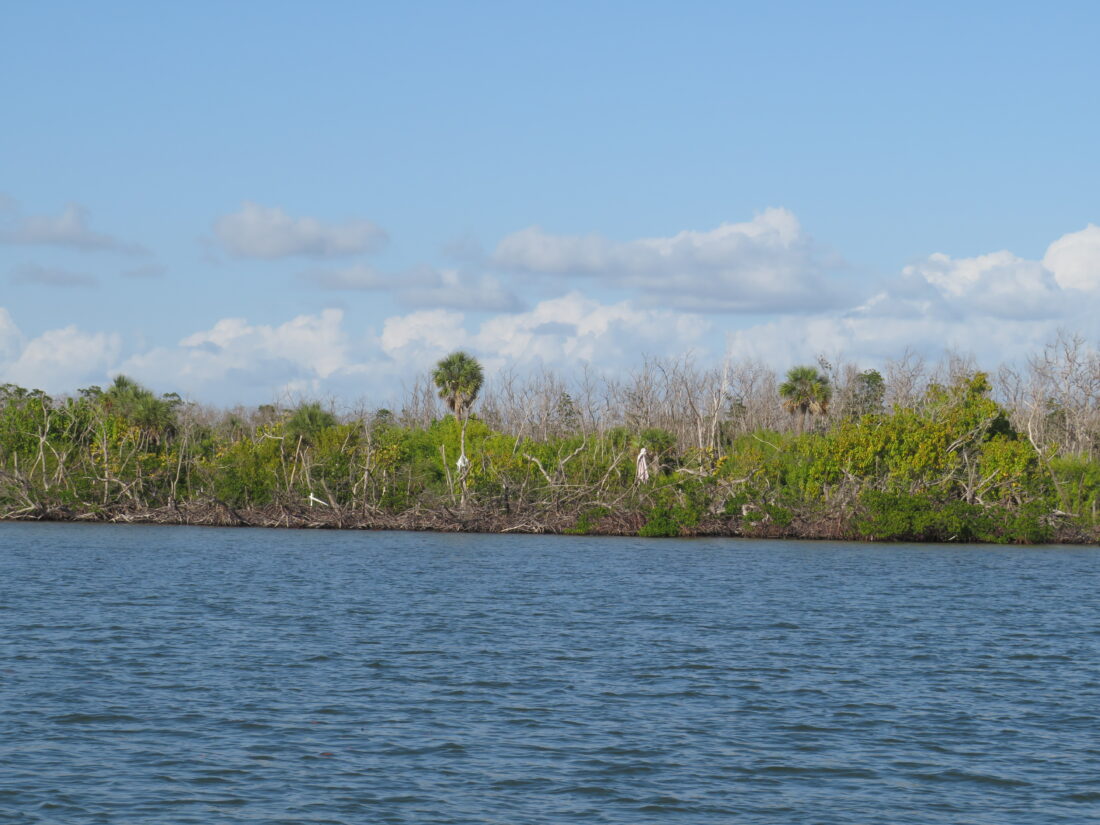
The area where a helicopter tour company wants to use a barge for helicopter tour flights over Fort Myers Beach is home to heavy bird activity and bird nesting. Photo by Nathan Mayberg
43 / 95
A helicopter flies over the bay around Fort Myers Beach. Photo provided
44 / 95
The area along San Carlos Bay and Matanzas Pass where Fly Heli Tours has placed a barge to use for landings and takeoffs for their helicopter tours, is a manatee speed zone which limits boat traffic to minimum wake. Photo by Nathan Mayberg
45 / 95
The area along San Carlos Bay and Matanzas Pass where Fly Heli Tours has placed a barge to use for landings and takeoffs for their helicopter tours, is a manatee speed zone which limits boat traffic to minimum wake. Photo by Nathan Mayberg
46 / 95
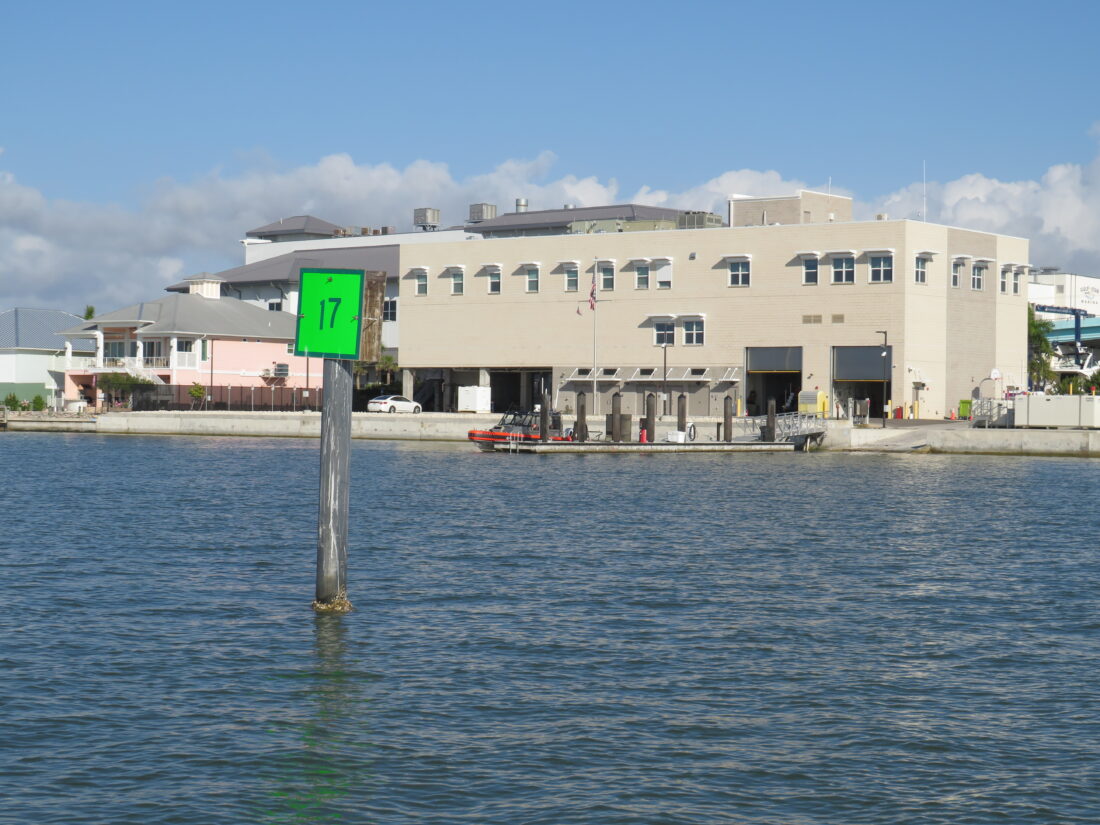
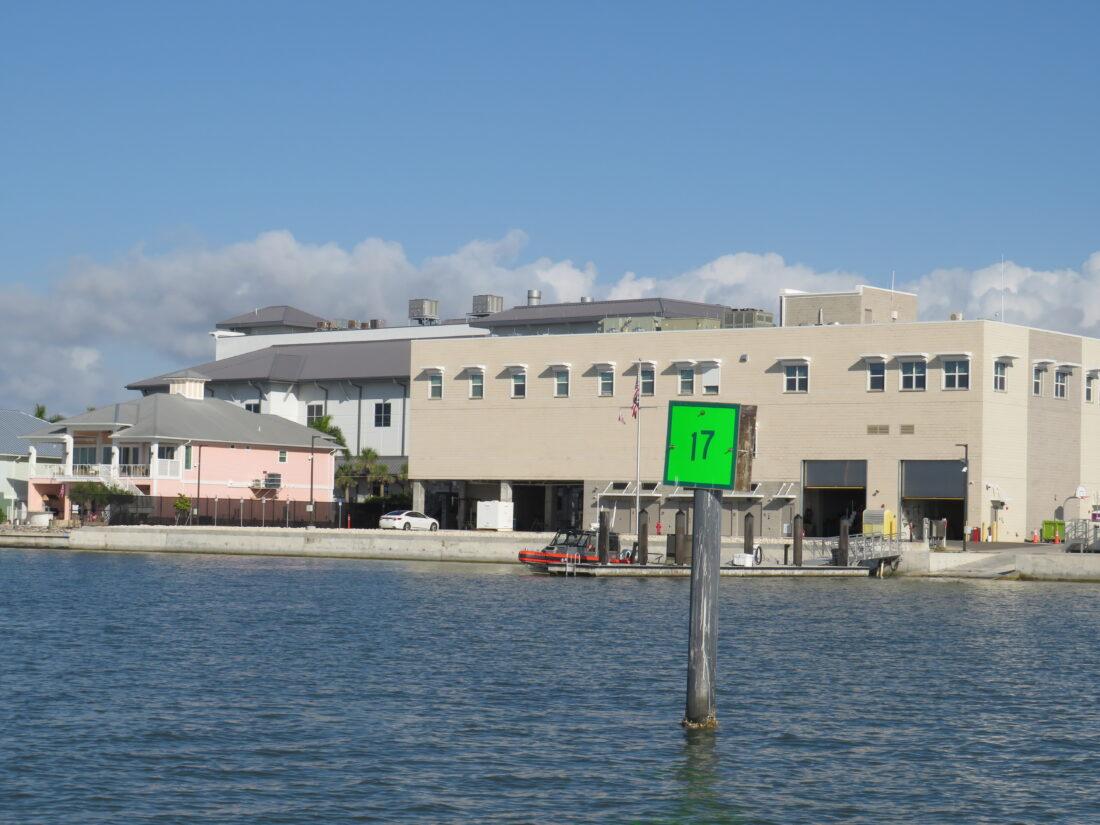
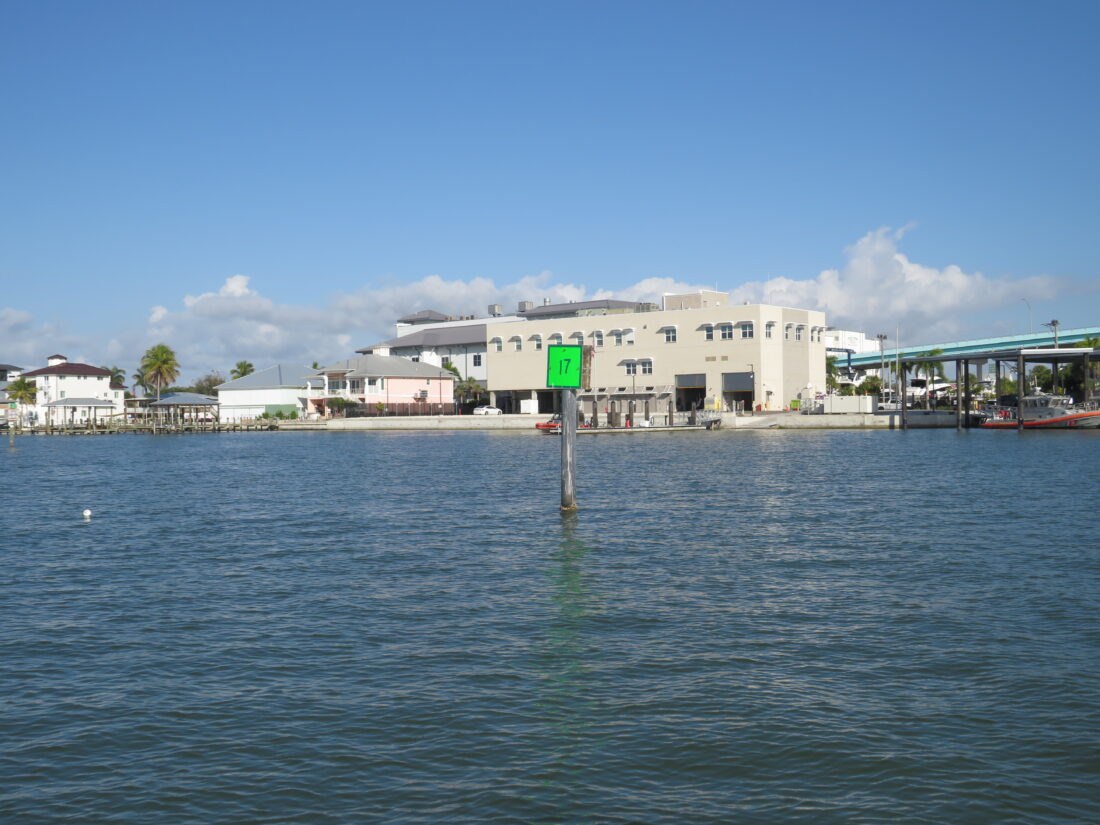
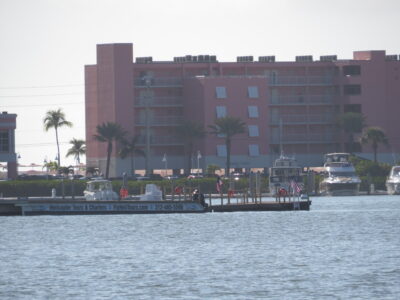
U.S. Coast Guard Station Fort Myers Beach. Photo by Nathan Mayberg
47 / 95
Fly Heli Tours has anchored a barge in the middle of San Carlos Bay and Matanzas Pass to use for a helicopter to take off and land, in close proximity to Matanzas Island, a state-designated critical wildlife area and bird rookery. Photo by Nathan Mayberg
48 / 95
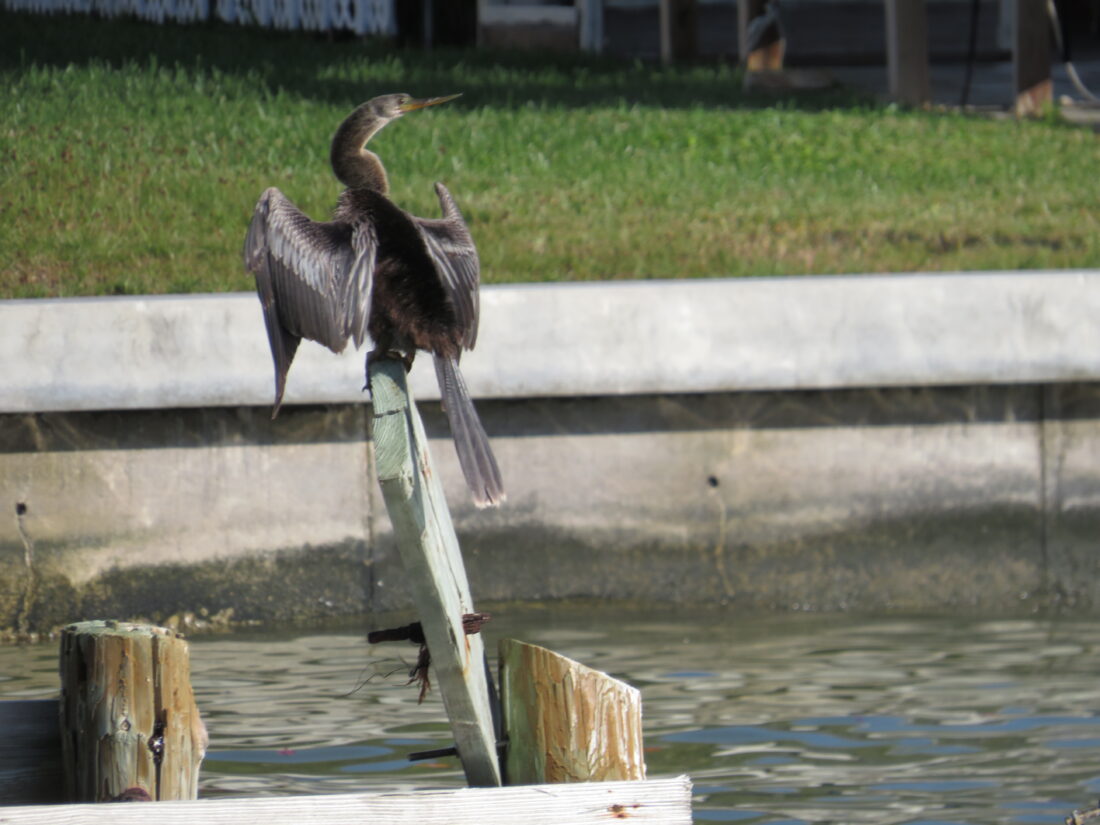
An anhinga on San Carlos Bay. Photo by Nathan Mayberg
49 / 95
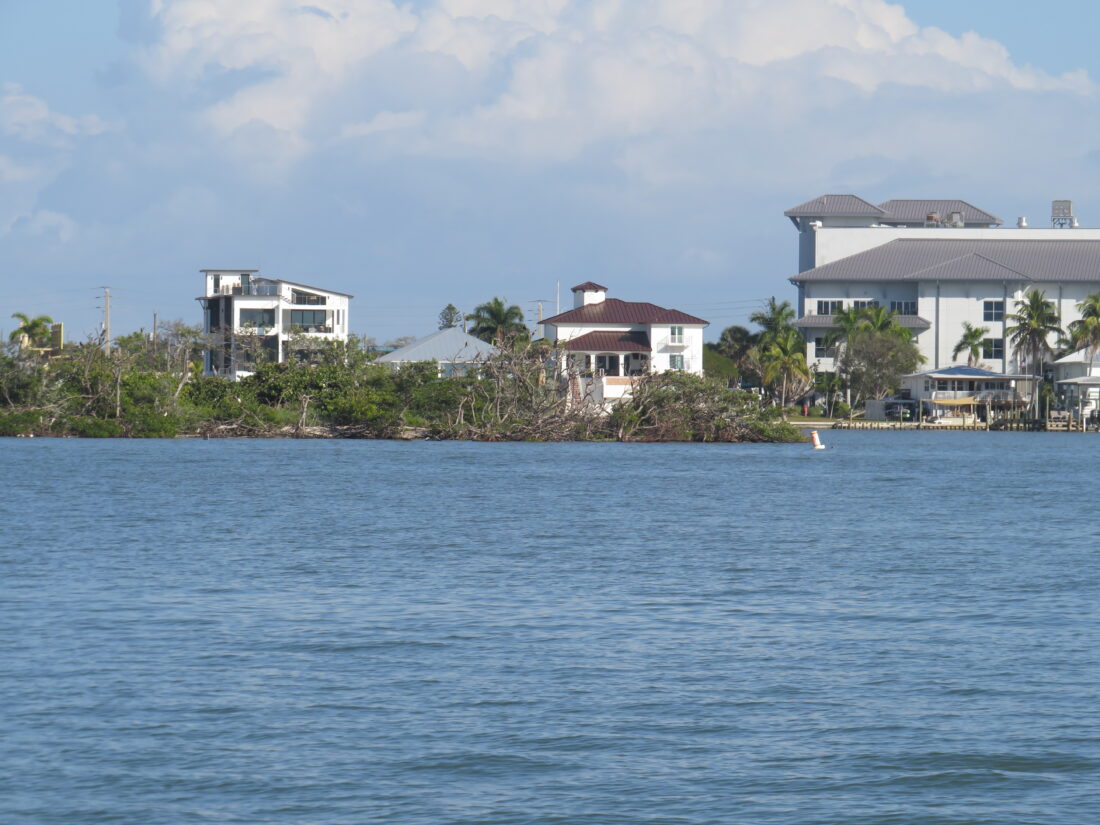
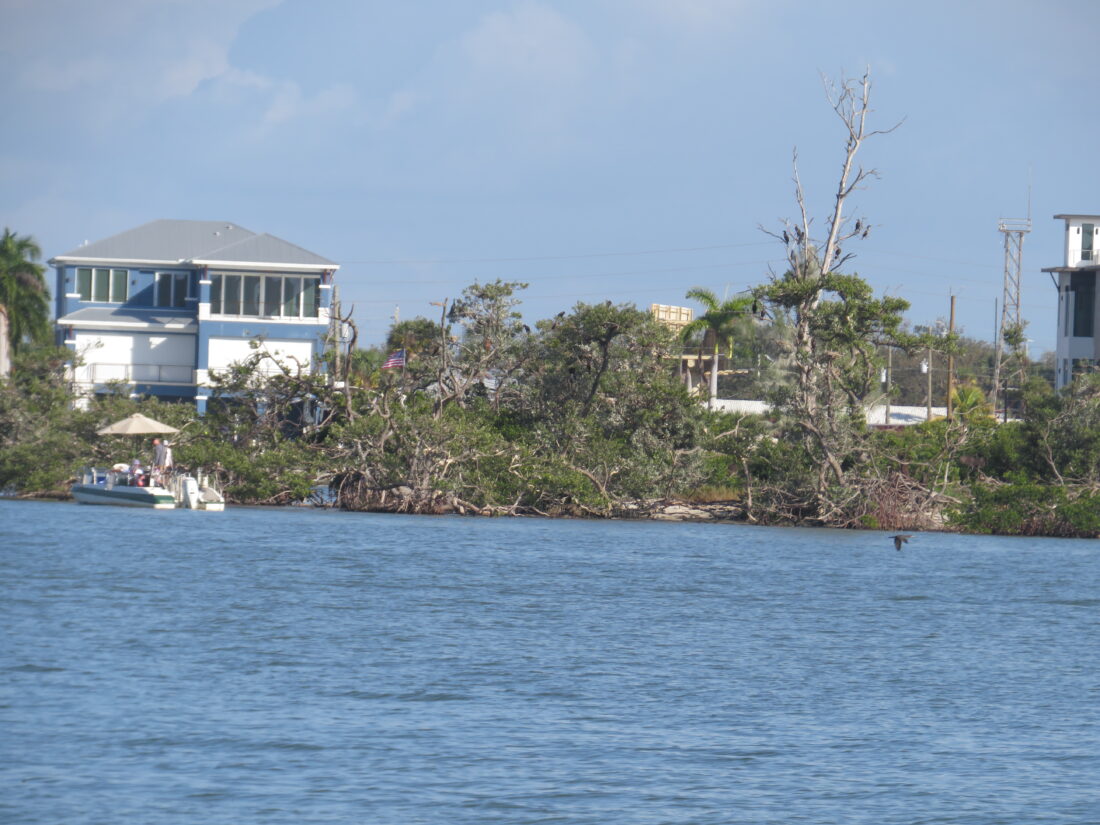
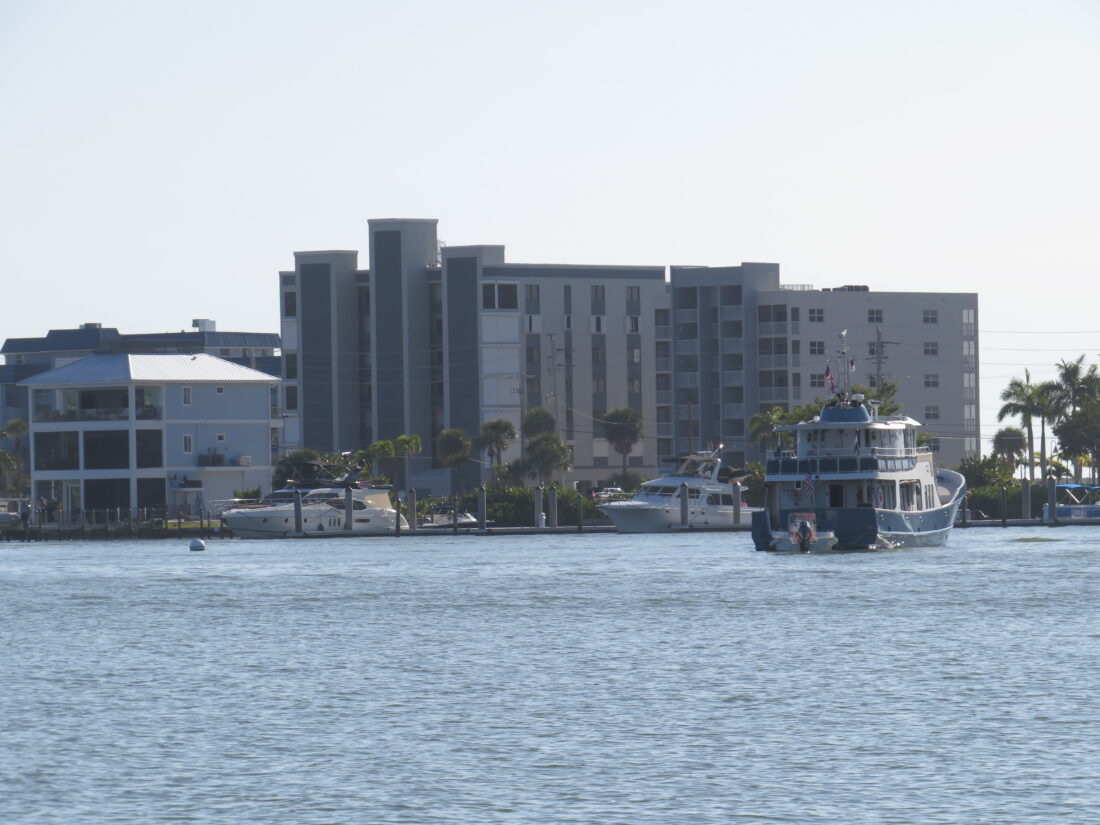
Homes along San Carlos Island not far from where a helicopter has been taking off and landing on a barge in the bay as part of training for helicopter tour flights. Photo by Nathan Mayberg
50 / 95
U.S. Coast Guard Station Fort Myers Beach. Photo by Nathan Mayberg
51 / 95
U.S. Coast Guard Station Fort Myers Beach. Photo by Nathan Mayberg
52 / 95
The area along San Carlos Bay and Matanzas Pass where Fly Heli Tours has placed a barge to use for landings and takeoffs for their helicopter tours, is a manatee speed zone which limits boat traffic to minimum wake. Photo by Nathan Mayberg
53 / 95
The area along San Carlos Bay and Matanzas Pass where Fly Heli Tours has placed a barge to use for landings and takeoffs for their helicopter tours, is a manatee speed zone which limits boat traffic to minimum wake. Photo by Nathan Mayberg
54 / 95
Fly Heli Tours has anchored a barge in the middle of San Carlos Bay and Matanzas Pass to use for a helicopter to take off and land, in close proximity to Matanzas Island, a state-designated critical wildlife area and bird rookery. Photo by Nathan Mayberg
55 / 95
Fly Heli Tours has anchored a barge in the middle of San Carlos Bay and Matanzas Pass to use for a helicopter to take off and land, in close proximity to Matanzas Island, a state-designated critical wildlife area and bird rookery. Photo by Nathan Mayberg
56 / 95
Fly Heli Tours has anchored a barge in the middle of San Carlos Bay and Matanzas Pass to use for a helicopter to take off and land, in close proximity to Matanzas Island, a state-designated critical wildlife area and bird rookery. Photo by Nathan Mayberg
57 / 95
Fly Heli Tours has anchored a barge in the middle of San Carlos Bay and Matanzas Pass to use for a helicopter to take off and land, in close proximity to Matanzas Island, a state-designated critical wildlife area and bird rookery. Photo by Nathan Mayberg
58 / 95
Fly Heli Tours has anchored a barge in the middle of San Carlos Bay and Matanzas Pass to use for a helicopter to take off and land, in close proximity to Matanzas Island, a state-designated critical wildlife area and bird rookery. Photo by Nathan Mayberg
59 / 95
Fly Heli Tours has anchored a barge in the middle of San Carlos Bay and Matanzas Pass to use for a helicopter to take off and land, in close proximity to Matanzas Island, a state-designated critical wildlife area and bird rookery. Photo by Nathan Mayberg
60 / 95
61 / 95
62 / 95
Waterfront homes destroyed by Hurricane Ian are being rebuilt on Fort Myers Beach near where a helicopter has been seen flying after taking off from a barge in the bay. Photo by Nathan Mayberg
63 / 95
Waterfront homes destroyed by Hurricane Ian are being rebuilt on Fort Myers Beach near where a helicopter has been seen flying after taking off from a barge in the bay. Photo by Nathan Mayberg
64 / 95
Waterfront homes destroyed by Hurricane Ian are being rebuilt on Fort Myers Beach near where a helicopter has been seen flying after taking off from a barge in the bay. Photo by Nathan Mayberg
65 / 95
Waterfront homes destroyed by Hurricane Ian are being rebuilt on Fort Myers Beach near where a helicopter has been seen flying after taking off from a barge in the bay. Photo by Nathan Mayberg
66 / 95
Waterfront homes destroyed by Hurricane Ian are being rebuilt on Fort Myers Beach near where a helicopter has been seen flying after taking off from a barge in the bay. Photo by Nathan Mayberg
67 / 95
Waterfront homes destroyed by Hurricane Ian are being rebuilt on Fort Myers Beach near where a helicopter has been seen flying after taking off from a barge in the bay. Photo by Nathan Mayberg
68 / 95
Waterfront homes destroyed by Hurricane Ian are being rebuilt on Fort Myers Beach near where a helicopter has been seen flying after taking off from a barge in the bay. Photo by Nathan Mayberg
69 / 95
A helicopter tour company has been landing and taking off helicopters from a barge in the bay. The helicopters have been seeing hovering near homes as it circles the bay after taking off. Photo by Nathan Mayberg
70 / 95
A helicopter tour company has been landing and taking off helicopters from a barge in the bay. The helicopters have been seeing hovering near homes as it circles the bay after taking off. Photo by Nathan Mayberg
71 / 95
A helicopter tour company has been landing and taking off helicopters from a barge in the bay. The helicopters have been seeing hovering near homes as it circles the bay after taking off. Photo by Nathan Mayberg
72 / 95
A helicopter tour company has been landing and taking off helicopters from a barge in the bay. The helicopters have been seeing hovering near homes as it circles the bay after taking off. Photo by Nathan Mayberg
73 / 95
A helicopter tour company has been landing and taking off helicopters from a barge in the bay. The helicopters have been seeing hovering near homes as it circles the bay after taking off. Photo by Nathan Mayberg
74 / 95
A helicopter tour company has been landing and taking off helicopters from a barge in the bay. The helicopters have been seeing hovering near homes as it circles the bay after taking off. Photo by Nathan Mayberg
75 / 95
A helicopter tour company has been landing and taking off helicopters from a barge in the bay. The helicopters have been seeing hovering near homes as it circles the bay after taking off. Photo by Nathan Mayberg
76 / 95
A helicopter tour company has been landing and taking off helicopters from a barge in the bay. The helicopters have been seeing hovering near homes as it circles the bay after taking off. Photo by Nathan Mayberg
77 / 95
A helicopter tour company has been landing and taking off helicopters from a barge in the bay. The helicopters have been seeing hovering near homes as it circles the bay after taking off. Photo by Nathan Mayberg
78 / 95
A helicopter tour company has been landing and taking off helicopters from a barge in the bay. The helicopters have been seeing hovering near homes as it circles the bay after taking off. Photo by Nathan Mayberg
79 / 95
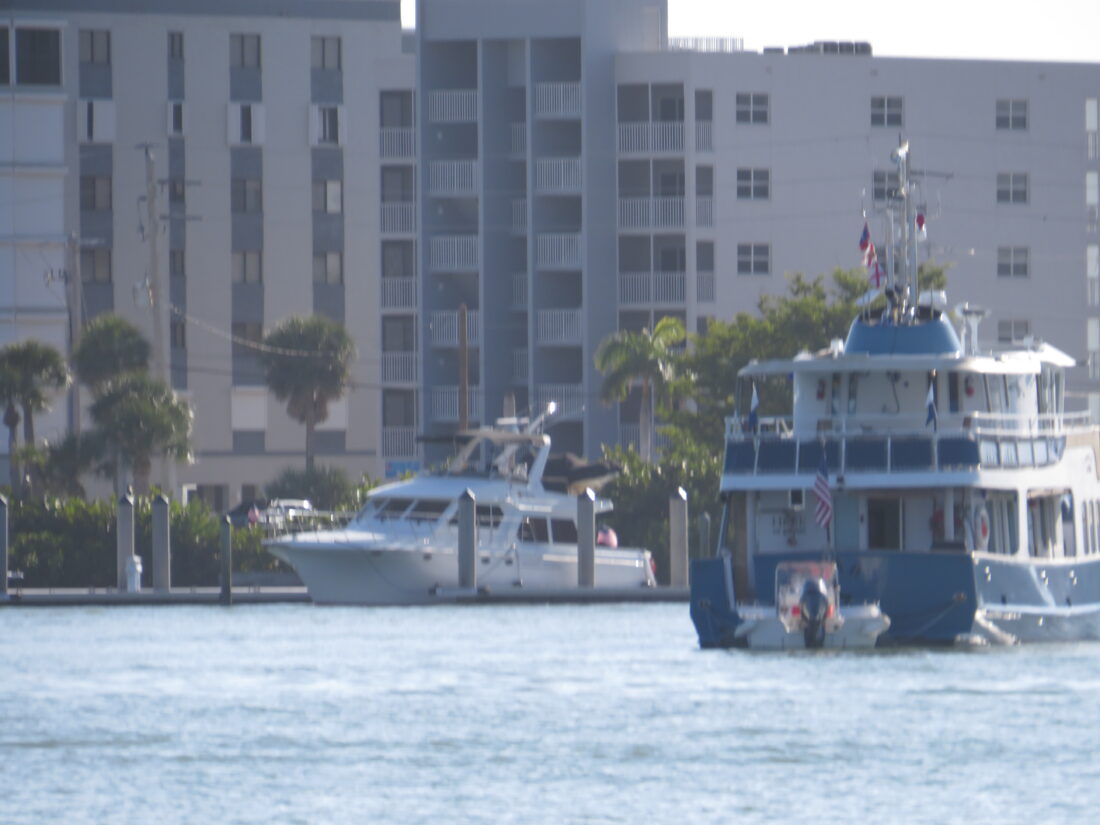
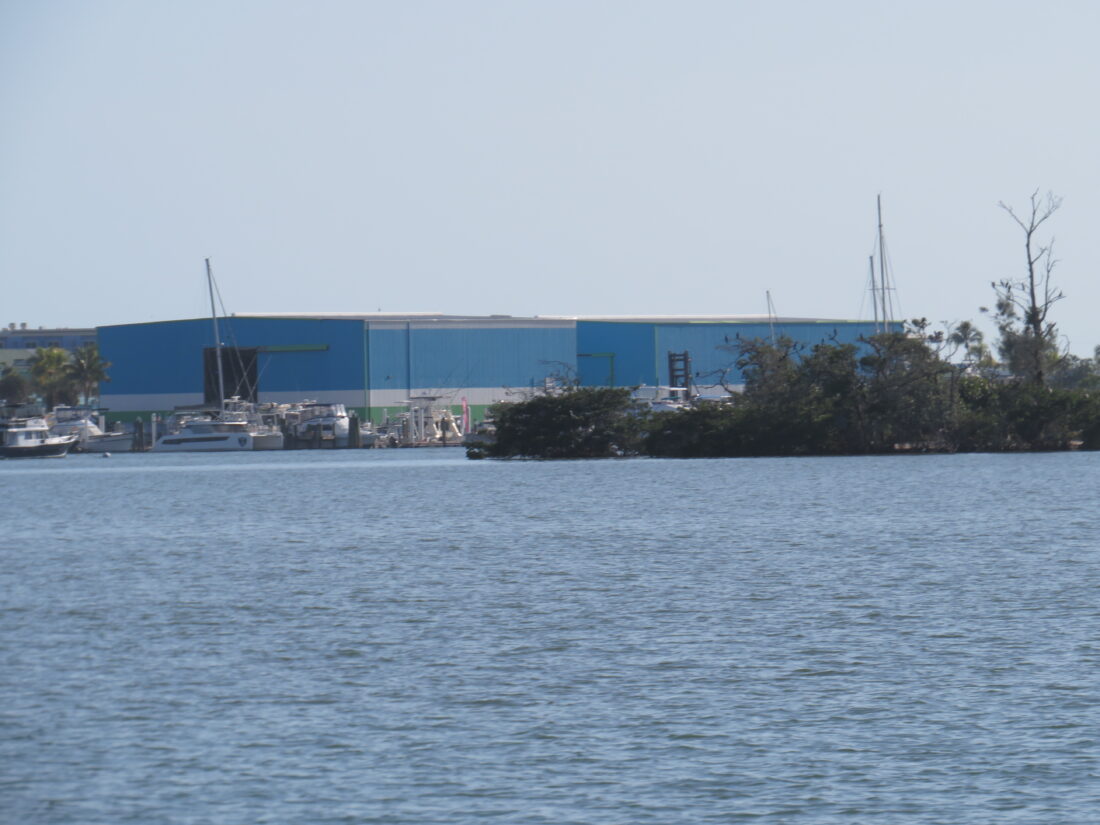
Fly Heli Tours has put a barge in the bay not far from Moss Marina, where it plans to use a boat shuttle to pick up customers to take to load on to a helicopter on the barge. Photo by Nathan Mayberg
80 / 95
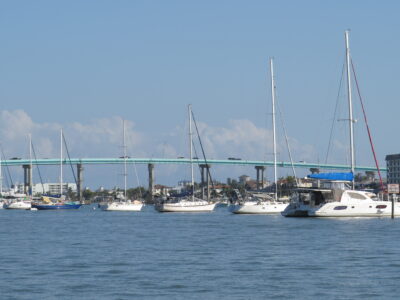
The Town of Fort Myers Beach Mooring Field has 82 mooring balls active where boats are anchored not far from a barge placed in the bay by Fly Heli Tours. Photo by Nathan Mayberg
81 / 95
The area of Matanzas Pass and San Carlos Bay is a manatee slow speed zone. Photo by Nathan Mayberg
82 / 95
83 / 95
84 / 95
85 / 95
86 / 95
87 / 95
88 / 95
89 / 95
90 / 95
Moss Marina on Fort Myers Beach. Photo by Nathan Mayberg
91 / 95
92 / 95
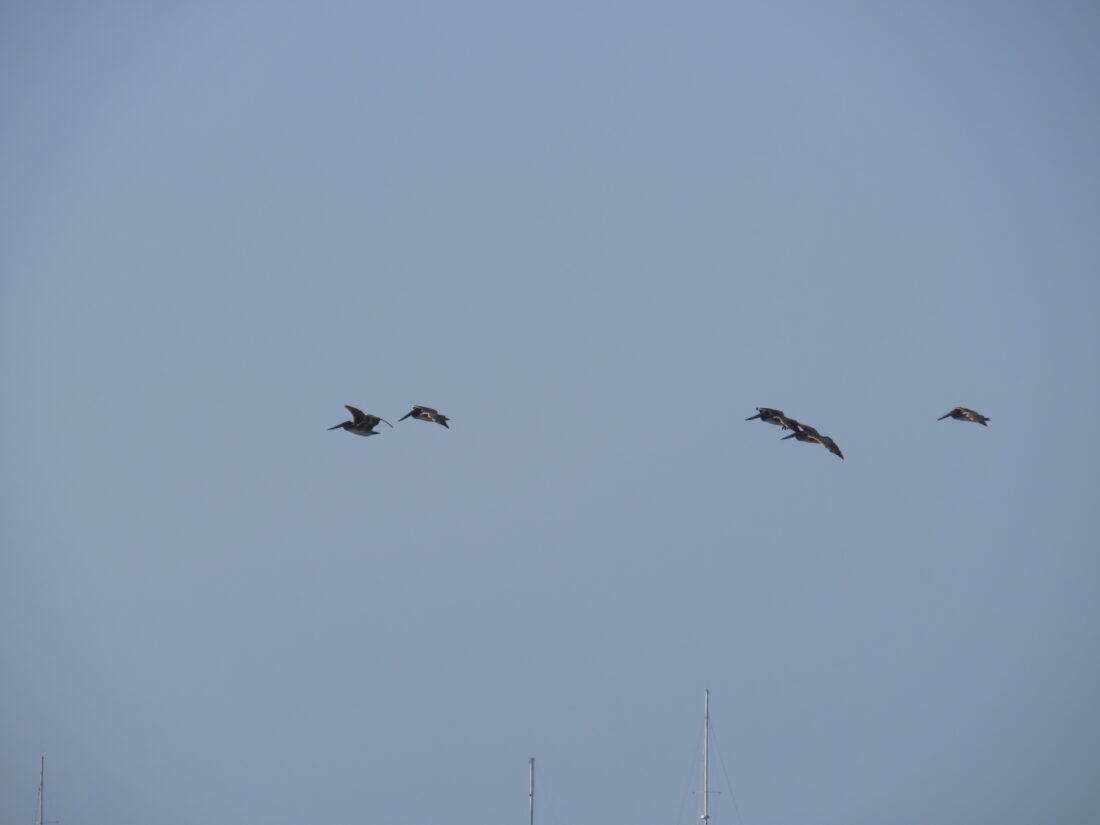
White pelicans on San Carlos Bay. Photo by Nathan Mayberg
93 / 95
White pelicans on San Carlos Bay. Photo by Nathan Mayberg
94 / 95
95 / 95
A Fly Heli Tours helicopter takes off from a barge near Bowditch Point Regional Park and the Pink Shell Beach Resort and Marina. Photo provided
In a sense, Fly Heli Tours has found a helicopter landing spot in the waters of San Carlos Bay and Matanzas Pass that almost technically may seem to be in the middle of nowhere, while at the same time is in the middle of everywhere concerning Fort Myers Beach.
The company has anchored a barge in an area of the bay that is surrounded by homes, businesses, a county park, a state-designated critical wildlife area and nature preserves. The barge has been used by the company over the last few weeks for training for commercial helicopter tours the company plans to conduct over Fort Myers Beach from the barge.
The plans have set off widespread concern among town residents, local environmentalists and boat charter captains, in an area that is frequented by dolphins, manatees, birds and heavy boat traffic. The barge is technically outside of Town of Fort Myers Beach jurisdictional waters.
According to the U.S. Army Corps of Engineers, the barge that the company has anchored in San Carlos Bay is currently under review for a permit. The U.S. Army Corps of Engineers said they have contacted Fly Heli Tours about the barge and their plans to run tours from the barge.
“This activity and project area is currently under the U.S. Army Corps of Engineers review. Structure and/or work in tidal waters within 3 miles of the U.S. shoreline is considered jurisdictional waters of the United States,” the U.S. Army Corps of Engineers said in a statement.
“Section 10 of the River and Harbors Act regulates structures and/or work in tidal waters of the United States. This activity is currently under the U.S. Army Corps of Engineers review and may require consultations with other Federal and State Agencies,” the U.S. Army Corps of Engineers said in a statement in response to questions from the Fort Myers Beach Observer.
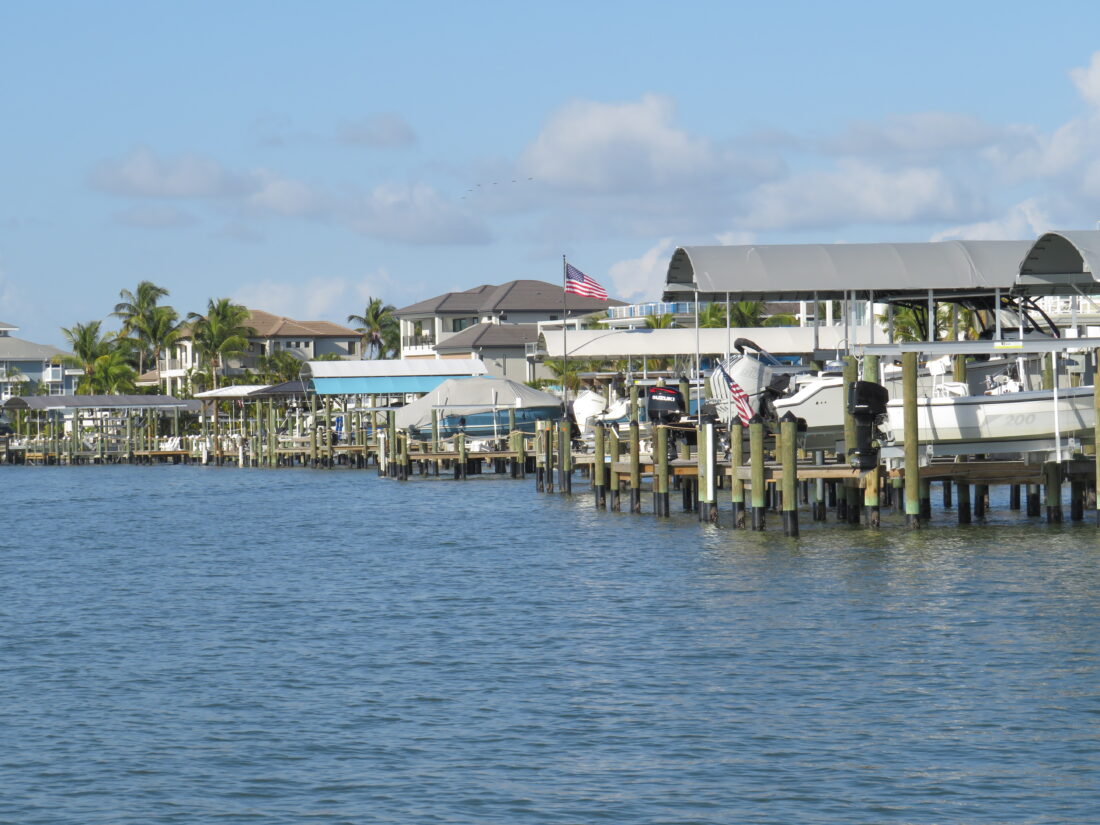
Though the barge is technically outside Town of Fort Myers Beach waters, it is surrounded on one side by the town’s mooring field, on another side by Bowditch Point Regional Park and the state-designated critical wildlife area Matanzas Island. There are dozens of boats in the vicinity, including boats docked at the Pink Shell Beach Resort and Marina, Moss Marina, the town’s mooring field and is in the middle of regular traffic from charter boats and sightseeing boats that travel through the bay. Million-dollar waterfront homes overlook the bay including homes under construction that are replacing houses that were destroyed by Hurricane Ian.
Fly Heli Tours has anchored a barge in the middle of San Carlos Bay and Matanzas Pass to use for a helicopter to take off and land, in close proximity to the Pink Shell Beach Resort on Fort Myers Beach. Photo by Nathan Mayberg
Video taken recently of a Fly Heli Tours helicopter taking off from the barge captured the helicopter flying at low altitudes as it circled around the bay and near waterfront homes.
Messages left with Fly Heli Tours owner Steve Overy on Monday and Tuesday were not returned.
Environmentalists are just as worried about the noise and safety impacts from the helicopters as they are about the impacts to the local marine life and threatened shorebird populations nearby. Matanzas Island, a state-designated critical wildlife area home to threatened shorebirds, is in close proximity to the barge, and not far away is Bunche Beach Preserve.
Fly Heli Tours has anchored a barge in the middle of San Carlos Bay and Matanzas Pass to use for a helicopter to take off and land, not far from Matanzas Island, a state-designated critical wildlife area and bird rookery. Photo by Nathan Mayberg
Capt. Lauren Swaim, who operates SWFL Party Pontoon, is worried the helicopter noise will drive away the dolphins, birds and manatees that serve as the attractions on her boat.
On a recent boat tour through the bay, about the only noise to be heard was the chirping of the birds and the waves from nearby boats traveling at low speeds to observe the no wake signs in the manatee zone.
The eagle-eyed Swaim, who is a conscientious boat captain concerned about how many times boats commanded by captains not paying close enough attention strike manatees, can spot a manatee 30 feet away hovering just underneath the surface of the water. Wearing polarized sunglasses, Swaim can make out the manatee before it even sneaks its snout out of the water to grab a couple seconds of air by the way the water is moving.
“The manatees get hit a lot,” Swaim said. “It’s hard for boat (captains) to see them.”
But Swaim is worried the manatees and dolphins will take off altogether and stop showing up in the bay as the vibrations from the propellers of the helicopter drive them away for more quieter and peaceful pastures.
The seagrass beds in the shallow bay is what attracts the marine life, Swaim said.
That quiet tranquility on the bay could all be gone soon if regular helicopter activity were to begin on the bay.
“Nobody wants to listen to it, or hear that when they go to the beach,” Swaim said.
Swaim sees the helicopter tours and barge location as a safety issue.
A helicopter tour company has been landing and taking off helicopters from a barge in the bay. The helicopters have been seeing hovering near homes as it circles the bay after taking off. Photo by Nathan Mayberg
Swaim is a former observer for the National Atmospheric and Oceanic Administration (NOAA) which enforces the Marine Mammal Protection Act. Their guidelines for helicopters are to stay 1,000 feet away, she said.
She is concerned that a shuttle boat that Fly Heli Tours owner Steve Overy said will pick up customers from Moss Marina and transport them to the barge to board a helicopter could cause safety issues. Even on a short trip around the bay, boats sometimes veer close to one another. The scenarios involving passengers getting on or off a helicopter in the middle of a busy bay with boats passing by could potentially become an issue, along with potential close calls as a helicopter lands or takes off near by.
For Cindy Johnson, a local environmentalist who was honored with the Town of Fort Myers Beach Mulholland Award for her efforts to educate the public about the environment, the helicopter activity actually evokes memories and concerns unrelated to environmental impacts.
For Johnson, the helicopter activity she recently encountered while on a boat with her family who was visiting for the holidays, reminds her of the helicopters that hovered above Fort Myers Beach in the early days after Hurricane Ian searching for survivors.
Johnson said her family “commented about the intrusive nature of these helicopters to the privacy and tranquility of our island experience. The sound of helicopters bring back post-Ian memories for me.”
Cindy’s husband Steve, who formerly chaired the Fort Myers Beach Marine and Environmental Resources Task Force, shared concerns along with Cindy for the shallowness of the barge. Sea turtles and manatees could potentially get stuck in the shallow barge during low tide, Mr. Johnson said.
“The shallow depth and four-point anchorage of the barge poses a potential entrapment risk for sea turtles and manatees,” Johnson said.
Mr. Johnson said the helicopters will also be a nuisance to boats docked at the town’s mooring field, which is subsidized by town taxpayers. He said the town needs better protections against the intrusion from the helicopter company.
“The helicopter barge is right by the mooring field,” Mr. Johnson said. “Who is going to want to stay there when you have helicopters going by all day?”
On the website of Fly Heli Tours, helicopter tours are being advertised throughout the day beginning Thursday, though the site has been updated many times over the past month and it is not clear if operations will actually begin this week or not.
It would seem that certain times listed on the website might be available now but won’t be once flights are booked. And it is not clear whether any of the times are actually available at all.
Stefan Kuenzel, who operates Kayak Excursions on Fort Myers Beach, which includes several charter boat operations, is particularly concerned about the impact the helicopters will have on the local bird population.
“My main concern is the takeoff and landing in that area for various reasons including the disruption to the birds,” Kuenzel said.
Kuenzel said he is worried about the impact to the birds on Matanzas Island, the critical wildlife area that is home to a large population of birds. Any encroachment of less than 100 feet on the island is prohibited in order to protect the birds.
“Bunche Beach, which is a county park and preserve, has rules against drones and kiteboarding because the kites threatens the nesting birds. It scares them. When they see that kite they think it is a predatory bird and they leave their nest,” Kuenzel said. “These helicopters are flying over Bunche Beach Preserve.”
Fly Heli Tours has anchored a barge in the middle of San Carlos Bay and Matanzas Pass to use for a helicopter to take off and land, not far from Matanzas Island, a state-designated critical wildlife area and bird rookery. Photo by Nathan Mayberg
Kuenzel said the helicopters are “kind of disrespectful to the residents” who have homes along the waterfront and the bay. Many of those homeowners are still rebuilding their homes from the damage caused by Hurricane Ian.
“The taking off and landing where they are in my opinion is the biggest concern,” Kuenzel said. He is worried about birds in the air also being at risk by helicopters.
Kuenzel said many of his customers on the tours go out to see the birds. “If we didn’t have the wildlife here, there wouldn’t be a whole lot of reasons for people to go on kayaks and tours. The wildlife is the biggest draw of all these activities,” he said. “If they wanted to just go kayaking they could go anywhere.”
Kuenzel said his concern is that the manatees and dolphins over time will just find somewhere else to go.
Town of Fort Myers Beach Mayor Dan Allers spoke with Fly Heli Tours owner Steve Overy on Sunday.
“I encouraged him to not only seek and obtain the necessary approvals from all relevant regulatory agencies, but also to meet directly with local residents and environmental groups to better understand their concerns,” Allers said
“As with any business operating within the Town of Fort Myers Beach, I am supportive, provided they comply with all applicable requirements and regulations set forth by the town and its partner agencies,” Allers said.
“We did not get into the specifics of how Mr. Overy runs his daily operations, as he has been communicating directly with our town staff on those details,” Allers said in an emailed response to questions from the Fort Myers Beach Observer.
Fly Heli Tours has anchored a barge in the bay not far from where the Town of Fort Myers Beach Mooring Field is located. The town currently has 82 mooring balls in service. Photo by Nathan Mayberg
Agency concerns
Officials with the Florida Fish and Wildlife Conservation Commission (FWC), which wields jurisdiction over any disturbances to nesting birds and nearby critical wildlife areas, stated last month that they would be meeting with the helicopter company’s representatives along with the Federal Aviation Administration regarding the plans.
An update has not yet been provided on the meeting and Overy did not respond to messages seeking comment.
In their letter last month though, the FWC said any disturbances to nesting birds by the helicopter activity could result in penalties being issued against the company.
“Regarding nesting birds, the operation of either manned or unmanned aircraft should be done in a manner that avoids flying over or near known active nest sites,” FWC spokesperson Lisa Thompson said. “It is recommended that personal aircrafts remain at least 300 feet from active shorebird, seabird, and wading bird nesting sites to reduce the likelihood of take (68A-27.003 F.A.C.). If nesting or roosting birds are responding to the presence of the aircraft, the distance should immediately be increased to help avoid further disturbance and potential take.”
The FWC noted that there are six critical wildlife areas in Estero Bay and Pine Island Sound that are protected from disturbances to nesting birds.
“Signs of disturbance include birds moving away from the aircraft, decreasing other natural behaviors to watch the aircraft, nodding their heads up and down to continuously size up the distance between themselves and the aircraft, wing flapping, standing or walking away from nests, flushing off of nests, or chasing or dive-bombing the aircraft,” Thompson said. While critical wildlife areas are not specifically restricted fly zones, some restricted areas may overlap with critical wildlife areas and “disturbance to species occurring within a CWA is prohibited,” Thompson said.
Chip Turner, a spokesman for the Florida Department of Environmental Protection, referred questions to the FWC.
Officials from NOAA and the FAA referred questions to each other.
Messages left with the U.S. Fish and Wildlife Service were not immediately returned.
Environmental groups concerned
“It’s well understood that birds and aircraft don’t mix, and when they do it is bad for both,” Florida Audubon President Julie Wraithmail said. “For this reason and many others, there are restrictions on where aircraft can go and how low they can fly – city, county, state and federal permits. I would imagine a proposal like this would face a lot of constraints to be successfully permitted – constraints that would likely establish no-fly zones for areas with potential imperiled species impacts. We’ll be following it as it develops.”
Matt DePaolis, environmental policy director for the Sanibel-Captiva Conservation Foundation, said the group is looking into the plans and regulations involving the helicopter and the barge they are landing on.
DePaolis cited the Migratory Bird Act as one of the regulatory laws the helicopter tour could be flying into.
“If you are having low-flying aircraft or helicopters over these sensitive environmental areas, it could be very detrimental to the wildlife that utilizes those spaces whether it is a rookery that has a lot of birds there, whether it’s even a beach that has a lot of migratory birds on it that causes them to flush or startle, that’s a huge energy drain. Especially with migratory birds that can be very damaging,” DePaolis said.
DePaolis said Southwest Floridians “pride ourselves on our protection of these resources, the clean water, the environment, the ecosystem is really the reason we are down here.”
Asked if he had concerns about safety and noise concerns that have been expressed by residents and local boat charter captains, Allers said “Safety and noise concerns are always a priority of mine, and the owner has committed to working with both town staff and residents to address any concerns that may arise.”