

FWC confirms active shorebird nesting numbers as beach renourishment project extends to June
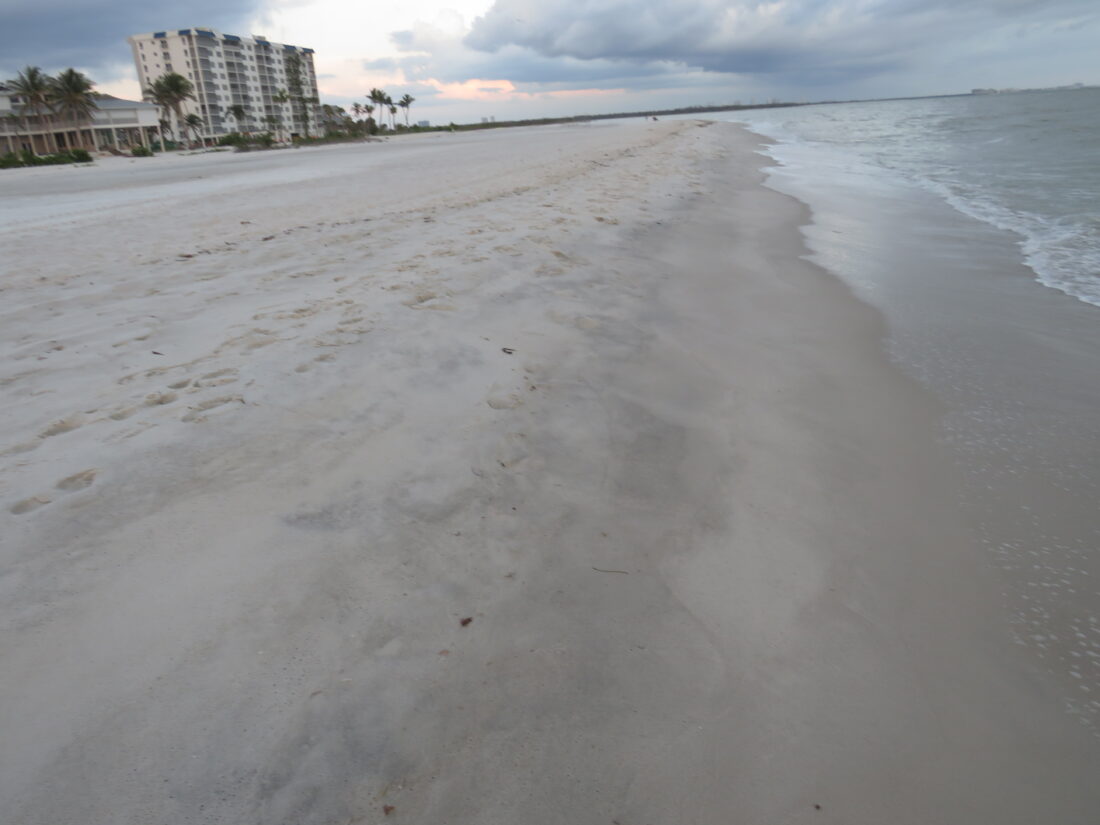
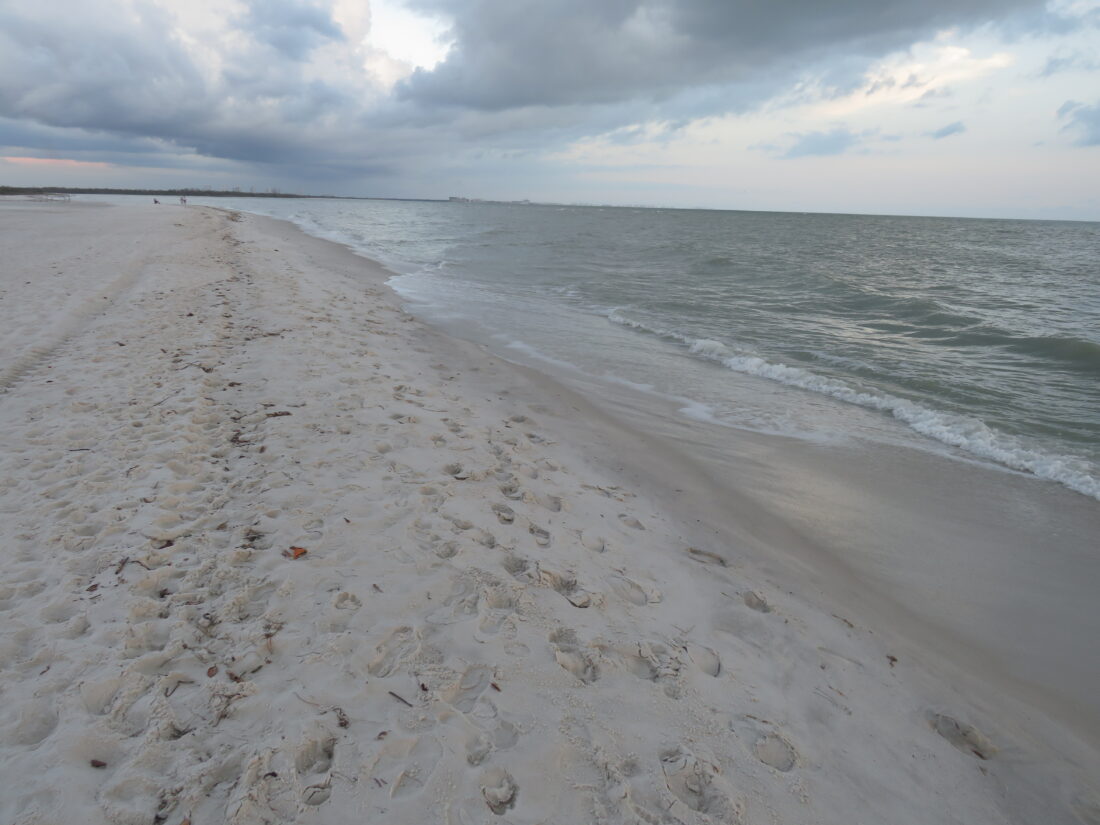
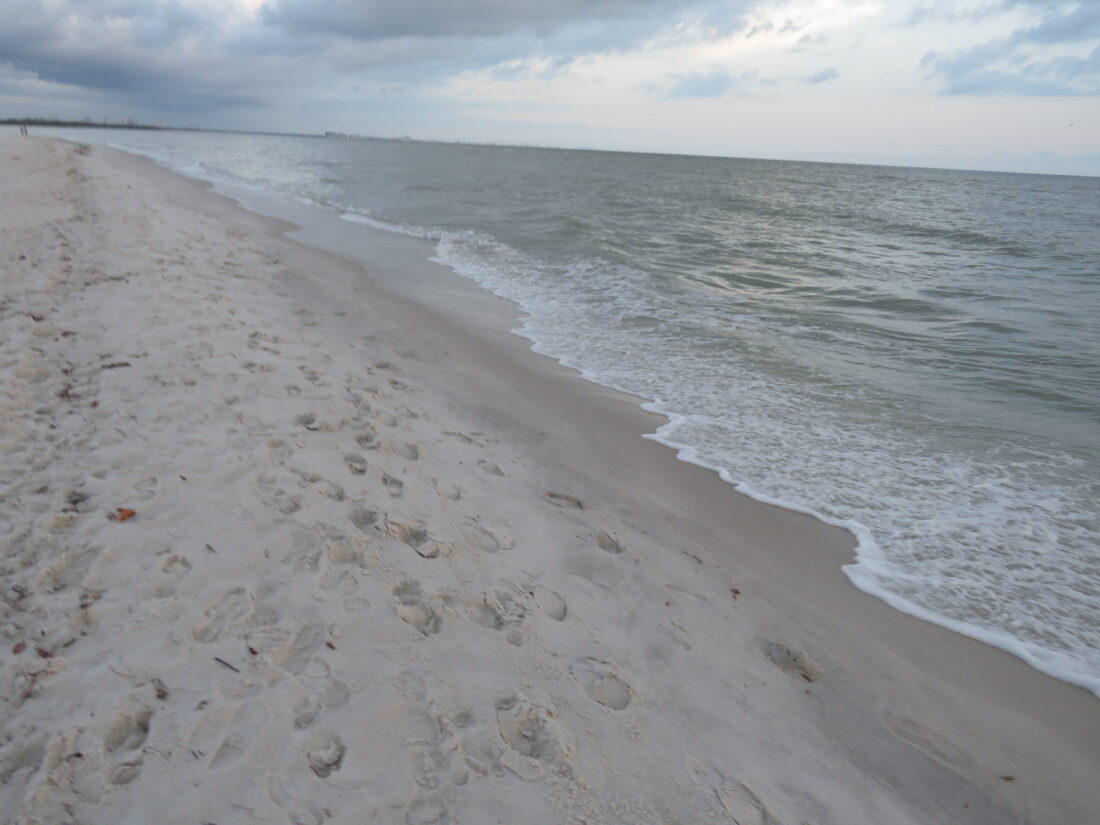
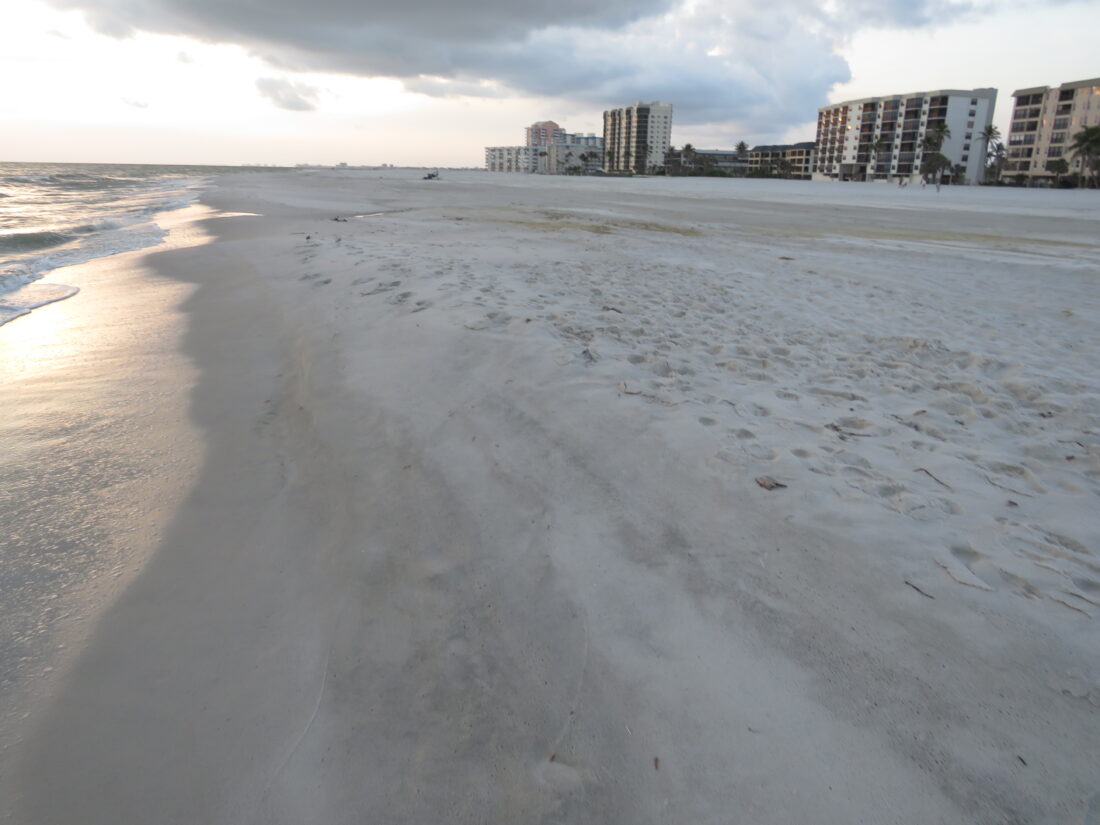
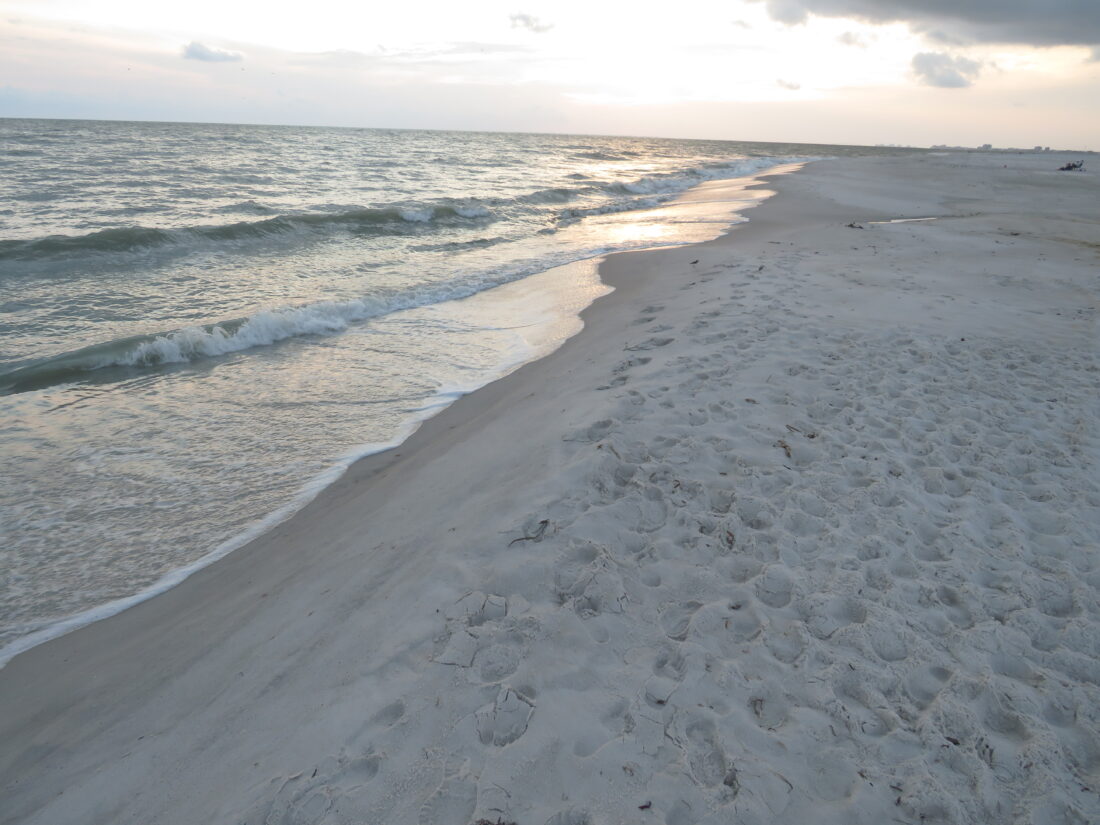


While the Town of Fort Myers Beach renourishment project is slated to push out until the end of June, more than five months past its deadline, the Florida Fish and Wildlife Conservation Commission (FWC) said the project’s work is complete in the south segment – where the majority of the shorebird nesting takes place on the island.
The FWC has documented nesting of threatened shorebirds throughout the project on the island.
Of Florida’s state threatened shorebirds that nest annually on Fort Myers Beach, the FWC confirmed as of May 21 the presence of 250 least tern nests and eight chicks on the island, six black skimmer nests, one Snowy Plover nest and two chicks, and six Wilson’s plover (an imperiled species) nests and eight chicks currently on site, FWC spokesman Ryan Sheets said. “Nesting numbers can change daily, depending on weather conditions, predation, and other factors,” Sheets said.
There was no data on American oystercatchers, a threatened birds species who were seen on Fort Myers Beach as far back as February when the beach renourishment project was starting to work its way through the Little Estero Island Critical Wildlife Area on the south segment of the beach renourishment project.
The work on the beach renourishment project was supposed to be completed by January under the terms of the $21.7 million contact awarded by the town to Ahtnah Marine and Construction Company in order to avoid interfering with shorebird nesting season. Callen Marine, who had put in a bid of $37.19 million for the project last year, had filed a bid protest contending that the bid by Ahtnah Marine and Construction Company was not responsive to the bid specifications as they would not be able to meet the timelines of the town based on the equipment they would have on hand. The funding for the project is a combination of federal, state, county and town tax dollars.
The project was given extensions by the town initially due to the impacts of Hurricane Milton and Helene and later due to equipment breakdowns and leaks in the sand dredging pipes used by the company.
The town completed its work on the south segment, where most of the shorebird nesting takes place, on May 18. The town had been given multiple extensions by the Florida Department of Environmental Protection to extend the project with the most recent extension awarded in April to allow the project to go into sea turtle nesting season. Turtle Time volunteers are monitoring the sea turtle nests that may need to be relocated due to their proximity to the beach renourishment work. Nesting sea turtles, a threatened species protected under the Endangered Species Act, are also turning away from areas where the sand dredging pipes block them.
The piping for the sand dredging stretches for miles across the island and includes some pipes buried on the northern end of the island. At Lynn Hall Memorial Park, the piping is fenced off in an area where a large water leak led to quicksand last month. The current renourishment work is centered around mid-island in the area near the Red Coconut RV Resort property, the old Junkanoo site and the area near Newton Beach Park.
“The last update we received indicates that work will continue through June with demobilization in early July,” Sheets said. “There are no restrictions within the permit on when work can be conducted in the North and Central Beach Segments, provided that they follow conditions of their permit. No work has been permitted in the South Beach Segment at this time. Project activities are outside of the posted critical wildlife area boundary,” Sheets said.
“FWC shorebird biologists have been in contact with the town, project staff and qualified bird monitors hired by the project to conduct daily shorebird breeding surveys during the nesting season wherever there are project activities. These are part of the standard conditions for shorebird protections from DEP for any beach renourishment project,” Sheets said. “At this time, active nests are posted and routinely monitored,” he said. Areas around the critical wildlife area are currently taped off to protect nesting shorebirds and their nests.
The town’s permit from the DEP includes conditions for shorebird protections that, when followed, “constitute avoidance of take,” Sheets said. “There are daily shorebird surveys to determine if nesting occurs and conditions to buffer and monitor any nests that are located. While it is preferred that such projects occur outside nesting season, the ongoing project and sand placement should restore essential nesting habitat for coastal wildlife.”
Brad Cornell, Southwest Florida policy associate with Florida Audubon, thinks the nesting season has been going good under the circumstances, noting the snowy plover brood that has hatched as well as the other nesting numbers cited by the FWC.
“Black Skimmers are also just beginning to nest which aligns with the typical timing for their nesting activity in Lee County,” Cornell said.